Dinosaur Discovered That May Have Been More Dangerous to Humans Than T. rex - ColombiaOne.com
This story deserves to be shared
Send it to someone who'd care, or post it on your networks.

Artistic depiction of Invictibellatrix amberina alongside contemporary fauna in the lower part of the Wessex Formation. Credit: Sergey Krasovskiy and Pedro Salas, Royal Society Open Science.
The first thing people think of when talking about a paleontological discovery is that it takes place in the field. Dinosaur fossils gradually emerge after the meticulous use of special instruments. But a group of scientists has just made an important discovery without digging it up, instead searching through stored drawers.
This article is an excerpt. To read the full content, visit the original source. ColombiaOne.com
Related articles
Miniature Ball Lightning Created in a Lab Could Help Solve a Centuries-Old Mystery - ScienceAlert
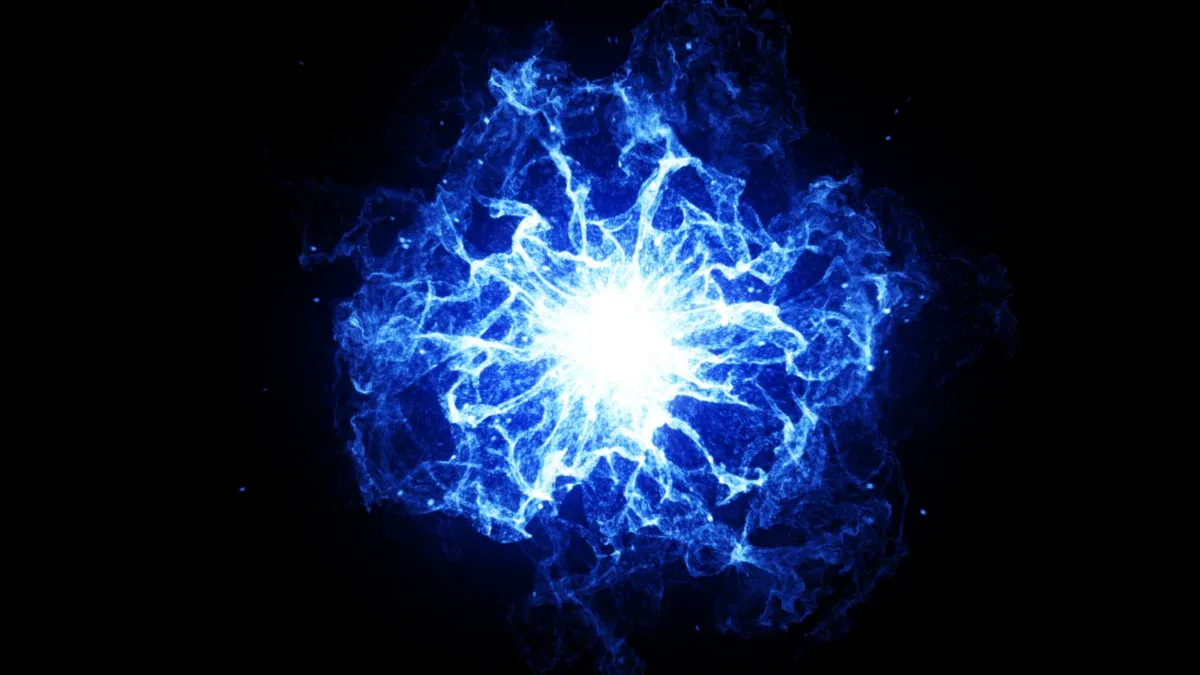
A digital illustration of a ball of electricity. (Vladlen Tian/iStock/Getty Images Plus) When you picture lightning, it tends to be fairly straightforward – a jagged gash of light that splits the sky, disappearing in less time than it takes to blink. But for centuries, a strange picture of a more eerie form has emerged. Thousands of records and eyewitness accounts have told of balls of lightning hovering above the ground before disappearing in a pop like soap bubbles. This fleeting phenomenon is all but impossible to study – and reports vary wildly in descriptions of its size, its hue, and even its behavior, making it one of the most peculiar mysteries in atmospheric science. But if you can't catch ball lightning in a field, physicist Chuliang Zhou and colleagues at the Chinese Academy of Sciences have reasoned, maybe we can learn more by reproducing something like it in a lab. "Here we report the first controlled generation of a macroscopic, long-lived soliton driven by relativistic terahertz electromagnetic fields," the researchers write in a paper published in Nature Photonics.

The Sky Today on Saturday, October 24: Mercury stands still - Astronomy Magazine
Mercury ends its prograde motion and prepares to enter retrograde in Libra the Balance — spot it after sunset if you’re quick. Mercury hangs just 1° above the western horizon half an hour after sunset on October 24. Look for the stars of Scorpius in the southwest to help guide you toward the planet’s position. Credit: Stellarium
Boo Jihyun, Hyewon Kwon, eco orot: Aqua Paradiso - E-Flux
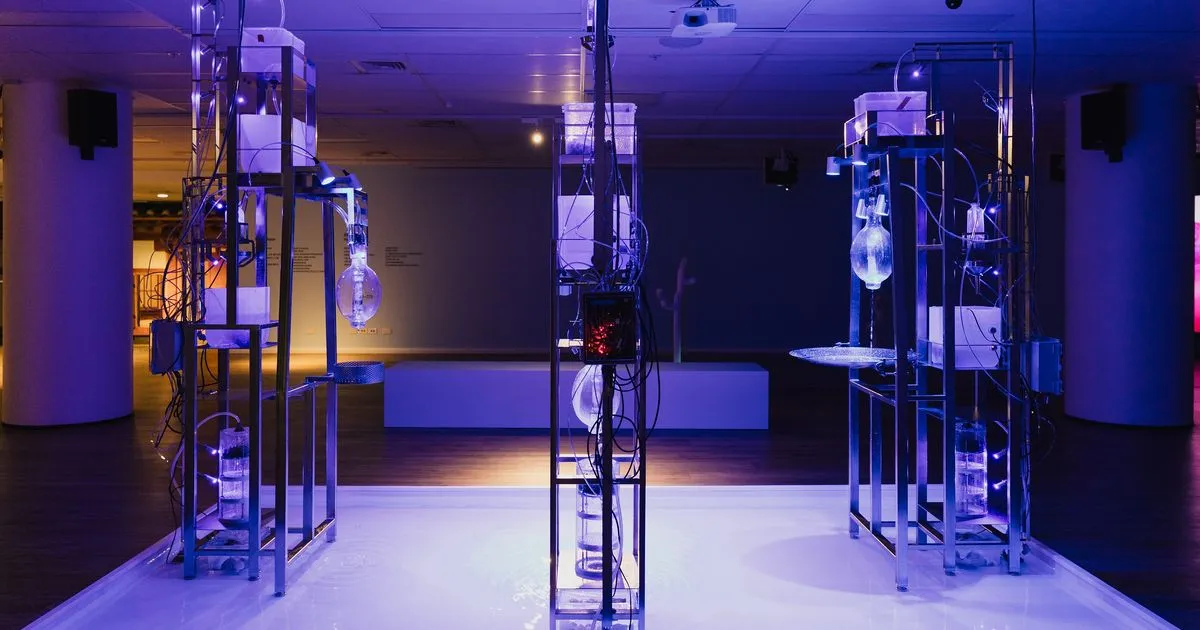
AustraliaAqua Paradiso was an exhibition curated in 2022 by the National Asian Culture Center (ACC). This contemporary art project brought together 11 artists from Asia and around the world to explore the theme of “water” from aesthetic, philosophical, and ecological perspectives. The exhibition took place over a three-month period at ACC in Gwangju, offering a multilayered examination of the primordial nature of life contained within water and its relationship with human society. Aqua Paradiso now continues in 2026 as a touring exhibition at Korean Cultural Centres in India and Australia. This edition features three of the Korean artists who took part in the original exhibition: Hyewon Kwon, Boo Jihyun, and Eunhae Jung (eco orot). Each uses a different visual language to approach the responsiveness and dynamics of water and the transformative sensibilities of the Anthropocene era. More than just a resource or part of the backdrop, the exhibition looks at water as a sensory presence and ecological actor. Ancient civilizations viewed water as the emotional product of transcendent deities, harboring feelings of the sublime in the face of its overwhelming majesty.
Japan launches spacecraft to moons of Mars to bring home soil samples - Griffin Daily News
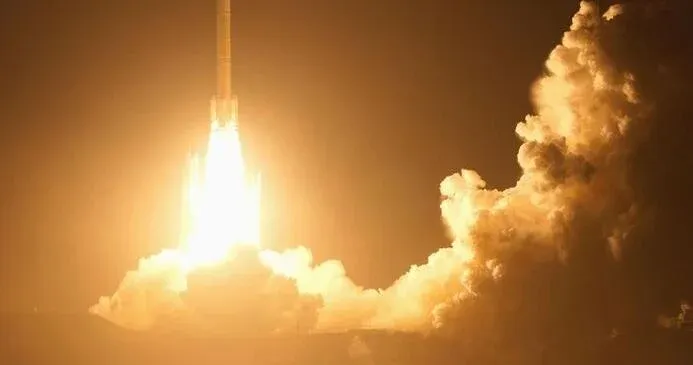
A Japanese spacecraft rocketed toward Mars on Tuesday on a quest to explore its mysterious moons and bring back samples. Five of the world’s space agencies joined forces for the five-year mission that will attempt to land a robotic prospector plus a rover on Phobos, the larger and closer of Mars’ two pint-sized moons. The Japan Aerospace Exploration Agency, which is leading the bold sampling effort, launched the spacecraft before dawn from the country’s main spaceport on Tanegashima Island. Officials declared success an hour later when the spacecraft separated as planned from the rocket’s upper stage. Flight controllers burst into applause and jumped to their feet, shaking hands and embracing. No one has managed to get samples from Mars or its moons yetWhile NASA has successfully landed nine spacecraft on Mars over the past 50 years and China scored a 2021 touchdown, no one has ever reached Phobos or its sidekick Deimos. And no one has managed to fetch samples from Mars, let alone its moons. If successful, bits of dust, soil and rocks from Phobos will arrive on Earth in 2031.
0 comments
No comments yet. Be the first to share your thoughts!