Diabetic Retinal Disease Onset and Progression During Established Semaglutide or Tirzepatide Treatment: A Retrospective Comparative Cohort Study With a Descriptive Regional Nonarteritic Anterior Ischemic Optic Neuropathy (NAION) Review - Cureus
This story deserves to be shared
Send it to someone who'd care, or post it on your networks.
This article is an excerpt. To read the full content, visit the original source. Cureus
Related articles

New wheat disease detection tool established in Tanzania - Phys.org
John Innes Centre researchers have trained scientists from across Tanzania to use new loop-mediated isothermal amplification (LAMP) assays to rapidly detect wheat blast, a looming fungal threat to wheat harvests. Hosted at the Tanzanian Agricultural Research Institute (TARI), the training covered how to use LAMP assays as low-cost, rapid tests to detect the presence of a fungal disease known as wheat blast (caused by Magnaporthe oryzae pathotype Triticum). The disease has not been found in Tanzania yet, but has been confirmed in neighboring Zambia. Providing rapid detection tools such as LAMP helps to improve Tanzania's ability to identify and respond to the threat of wheat blast, should the disease reach the country.

Sandoz Canada receives Health Canada regulatory approval for (Pr)Sandoz® Semaglutide, a generic version of (Pr)Ozempic® - PR Newswire Canada
PrSandoz® Semaglutide, a generic version of PrOzempic®, approved for the treatment of adult patients with type 2 diabetes This lower-cost alternative supports improved affordability and access to type 2 diabetes treatments across Canada
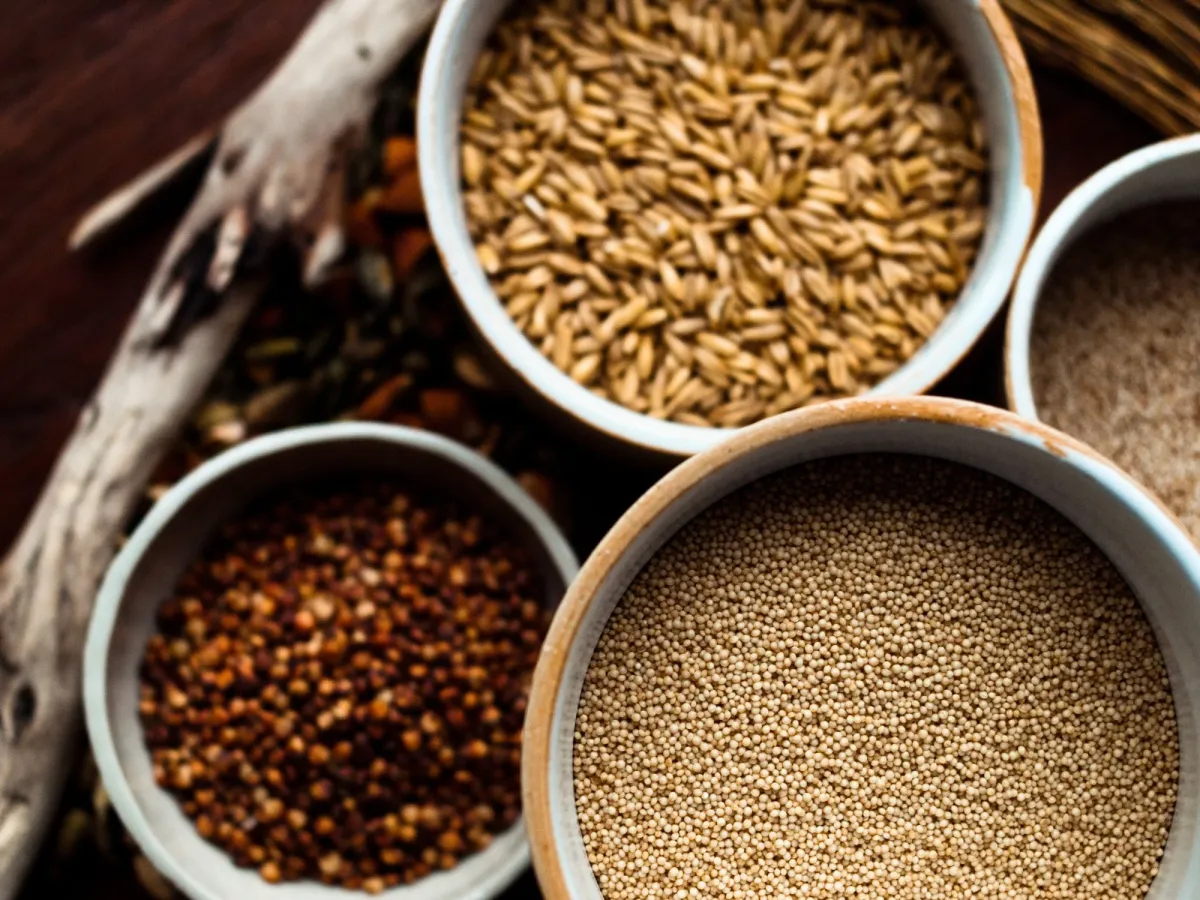
What Are Ancient Grains, and How Can They Improve Your Diet? - News-Medical
IntroductionWhat are forgotten foods? Nutritional diversity beyond major staple cropsBioactive compounds and potential health benefitsAncient crops and the gut microbiomeSustainability and climate resilienceCan ancient crops fit into modern diets? Conclusions: Nutritional potential and evidence gapsReferencesFurther reading From calcium-rich finger millet to protein-containing pseudocereals, overlooked crops raise questions about what modern diets may be missing and how science should assess their value.
0 comments
No comments yet. Be the first to share your thoughts!