Day-to-day fluctuations in cognitive precision predict the domain-general intention-behavior gap - Science | AAAS
This story deserves to be shared
Send it to someone who'd care, or post it on your networks.
This article is an excerpt. To read the full content, visit the original source. Science | AAAS
Related articles

Normally forbidden emissions from graphene could expose quantum fluctuations in incoming light - Phys.org
Voltage fluctuations, light fluctuations, temperature fluctuations—any fluctuations are troublesome and thus undesirable. They don't just cause discomfort; in engineering and medical applications, they affect the accuracy of measurements or introduce errors in controls. Even at the minute level of quantum phenomena, fluctuations are considered undesirable. But what if some fluctuations can be made useful? A theoretical study from the Indian Institute of Technology Bombay (IIT Bombay) shows that structured quantum fluctuations in light can be used to sense and generate useful quantum optical signals.
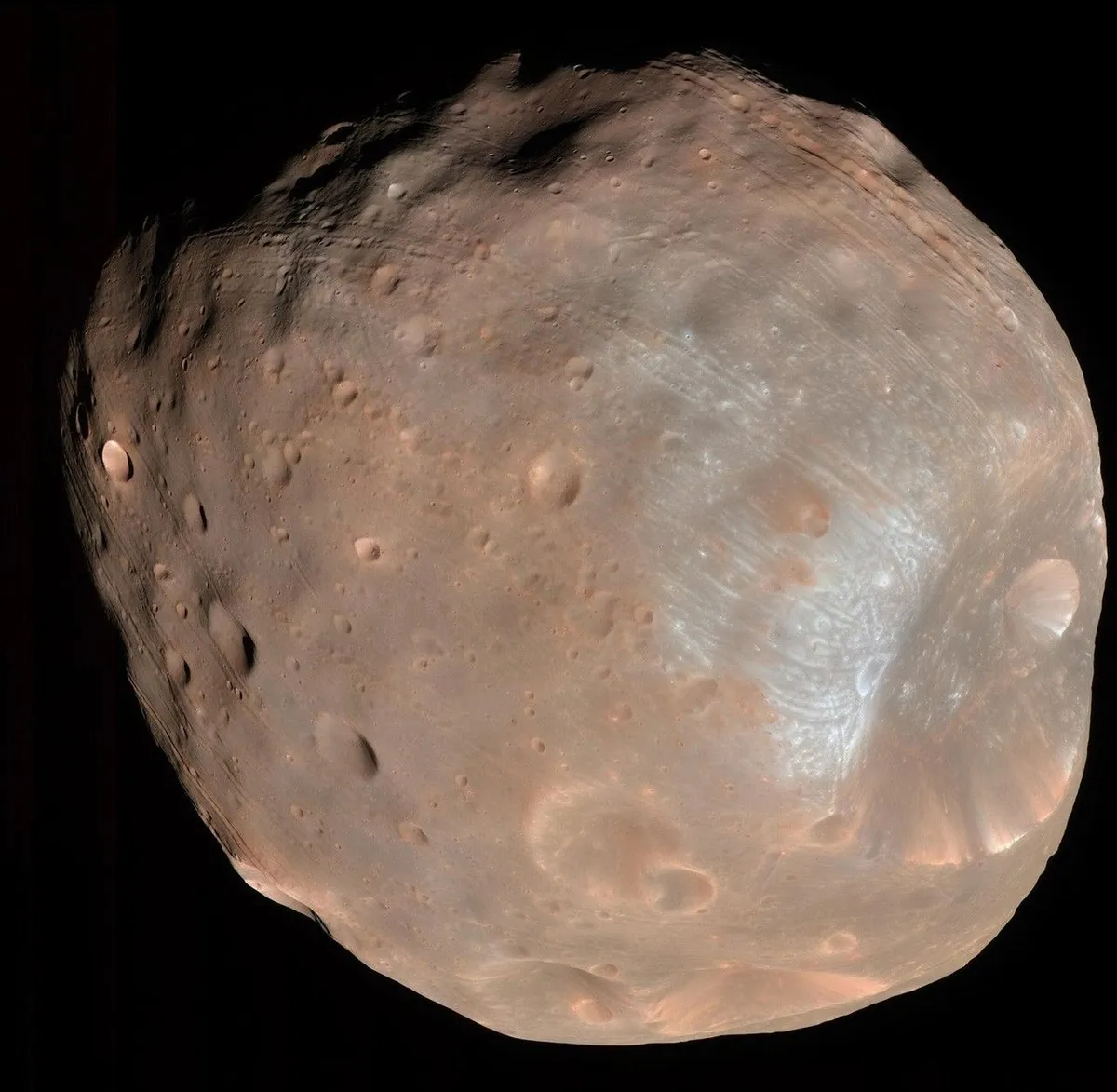
Japan launches spacecraft to mysterious moons of Mars in a bold mission to bring home soil samples - CFJC Today Kamloops
If successful, bits of dust, soil and rocks from Phobos will arrive on Earth in 2031. “There’s a lot of adrenaline and a lot of excitement and a lot of wow,” said NASA astrophysicist Tom Statler, who’s involved with the project. Japan has an edge going in, with two asteroid sample returns already under its cosmic belt. Phobos is a lumpy, potato-shaped rock just 14 miles (22 kilometers) or so across. Examining pieces of it can explain how Mars’ moons — and possibly moons elsewhere — came to be. Dubbed MMX for Martian Moons Exploration, the $578 million mission features a hefty 5-ton spacecraft that should reach Mars by late next summer. It will sync up with Phobos’ tight orbit around the red planet, before ejecting the French-German rover that’s named Idefix after the white terrier in the Asterix comics. No bigger than a microwave oven, Idefix will plop onto Phobos by itself, bouncing for several minutes before coming to a halt in the moon’s extraordinarily low gravity. The four-wheeled rover is designed to right itself if it lands upside down. All bets are off, though, if it sinks into soft soil or gets wedged between rocks, said the French Space Agency’s Julien Baroukh.
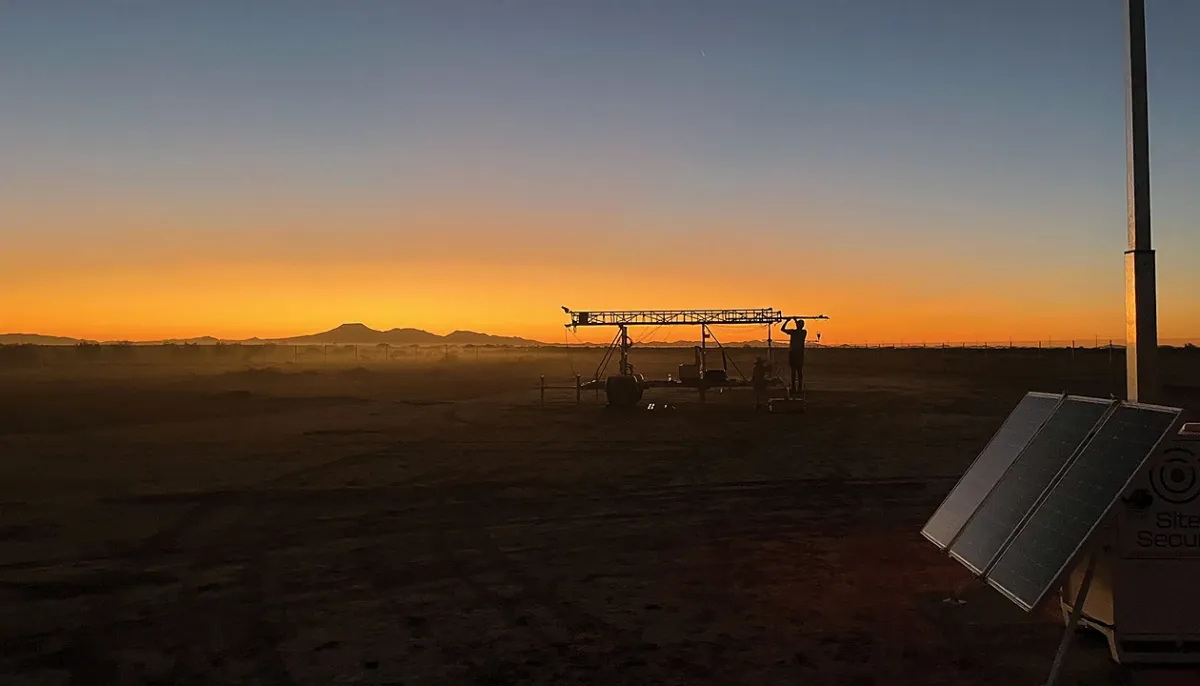
Earth-bound scientists validate space-based methane estimates - Chemical & Engineering News
The latest chemistry news, including important research advances, business and policy trends, chemical safety practices, career guidance, and more. In 2025 scientists put the methane-sensing capabilities of 12 spectral-imaging satellites to the test. Some were designed specifically to measure atmospheric methane; others were repurposed for the task. Now the researchers have shared their results: each of the satellites can be used to detect methane, but some are better than their counterparts for quantifying the potent greenhouse gas (Nature 2026, DOI: 10.1038/s41586-026-11115-0).
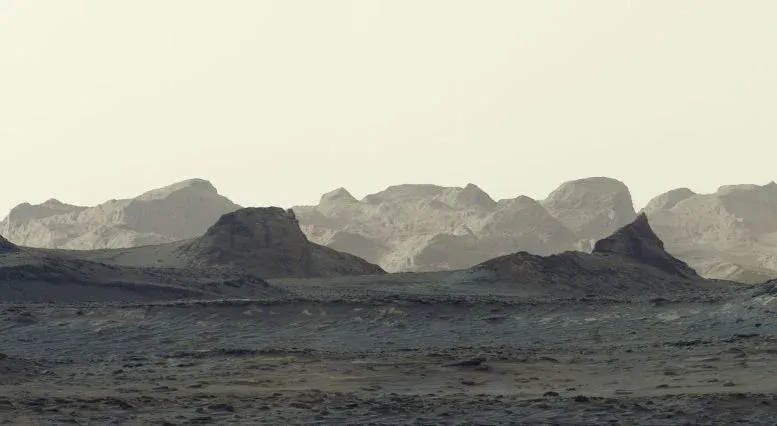
NASA’s Curiosity Rover Unveils a Spectacular New View of Mars at Dawn - SciTechDaily
The captivating shapes of wind-carved crags called yardangs are revealed in this zoomed-in crop of a broader panorama captured by NASA’s Curiosity Mars rover on Aug. 11, 2026. Scientists are eager to learn more about how the yardang layer formed. Credit: NASA/JPL-Caltech/MSSSCuriosity’s latest panorama sharpens the view of a Martian rock layer that looks out of place and may have formed from ancient volcanic ash. A band of wind-carved cliffs stretches roughly 10 miles (16 kilometers) across the northwestern reaches of Mount Sharp on Mars, and NASA’s Curiosity rover is climbing toward it. A newly released panorama offers the most detailed view yet of these formations, known as yardangs, which mission scientists have long wanted to examine up close. This artist’s concept shows Mount Sharp, the 3-mile-tall (5-kilometer-tall) mountain that NASA’s Curiosity has been ascending since 2014. The location of the yardang layer, which the rover recently captured from a distance, is indicated by an ellipse annotation on the mountain’s northwestern shoulder. Credit: NASA/JPL-Caltech/ESA/DLR/FU Berlin/MSSS“The yardang layer looks out of place.
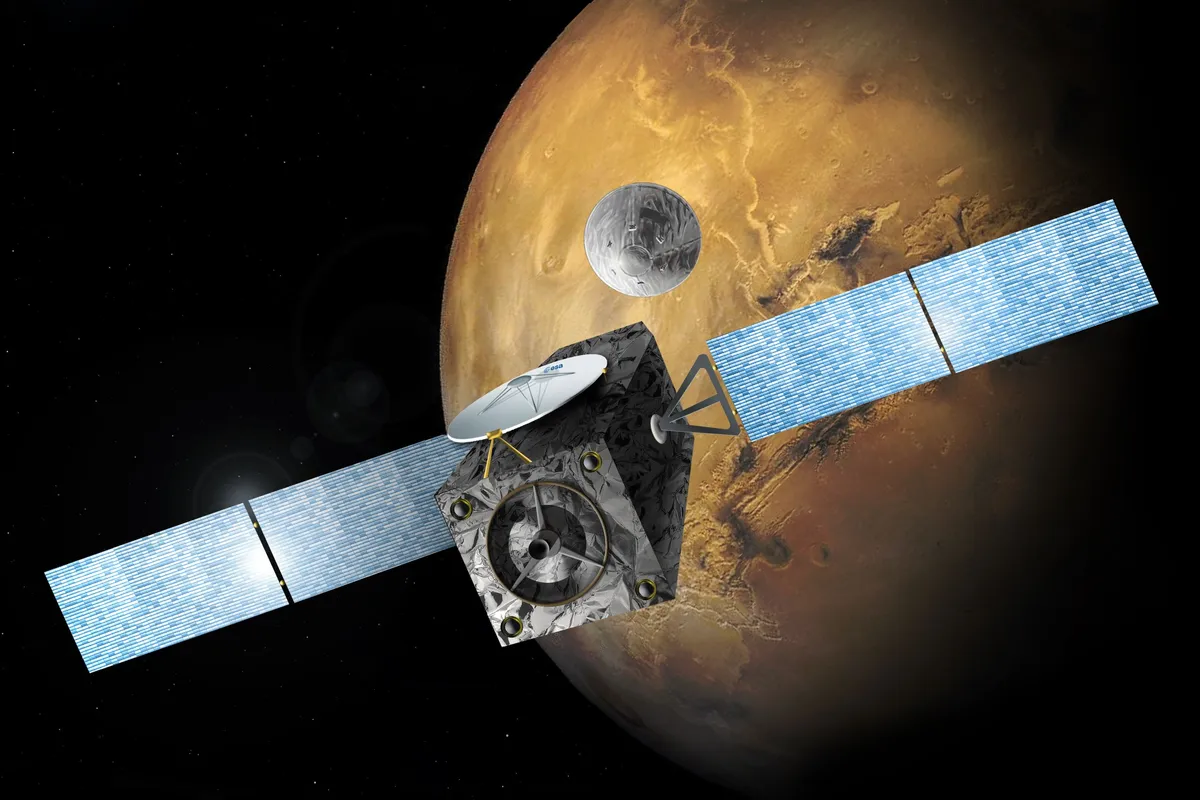
On this day in space! Oct. 19, 2016: Europe's ExoMars orbiter and Schiaparelli lander arrive at Mars - Space
The ExoMars 2016 orbiter survived the Mars arrival. Sadly, its Schiaparelli lander did not.
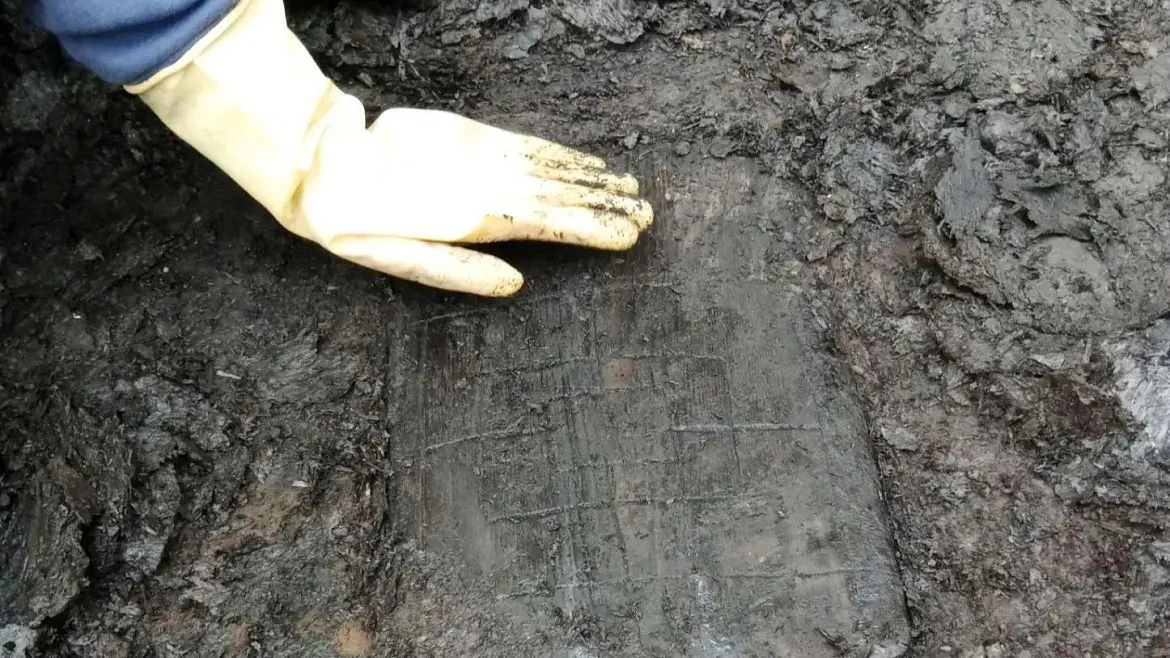
11th-century 'pizza peel' discovered in Russia doubled as a medieval game board - Live Science
Archaeologists in Russia unearthed a flat wooden "pizza paddle" that had a board game carved into it.
0 comments
No comments yet. Be the first to share your thoughts!