CPP and OAS: Should you take the money or wait?: Stan Wong
This story deserves to be shared
Send it to someone who'd care, or post it on your networks.

Published: October 22, 2026 at 5:00a.m. EDTWho would turn down a 42 per cent pay raise? That is effectively the choice facing Canadians deciding when to collect their Canada Pension Plan (CPP). Waiting until 70 rather than starting at 65 increases monthly payments by 42 per cent. The catch? Five years without collecting a penny. Clients frequently ask me whether they should begin collecting CPP as early as age 60, wait until 65 or defer until 70, and when they should start Old Age Security (OAS). Many instinctively favour taking the money early. But the better question is how these decisions fit into their overall financial plan. Do you actually need the income? Consider two retirees, both aged 65. One has a workplace pension, substantial investments, and no immediate need for additional income. Deferring CPP could strengthen financial security later. The other relies on investment withdrawals to pay everyday expenses. Collecting earlier might reduce the need to sell investments during a market downturn. The same pension rules can produce very different answers.
This article is an excerpt. To read the full content, visit the original source. BNN Bloomberg
Related articles

PAHO and OAS launch new guidance to promote healthy eating and physical activity in schools - Pan American Health Organization (PAHO)
More than 30% of children and adolescents aged 5–19 years in the Americas are living with overweight, while over 80% of adolescents do not achieve the recommended levels of physical activityWashington, D. C., July 10, 2026 (PAHO) – The Pan American Health Organization (PAHO) and the Organization of American States (OAS) have launched new guidance to support countries in the Americas in designing, implementing, monitoring, and evaluating policies that promote healthy eating and physical activity in school settings, as rates of overweight, obesity, and physical inactivity continue to rise among children and adolescents. More than 30% of children and adolescents aged 5–19 years in the Americas are living with overweight. At the same time, obesity prevalence in this age group has tripled over the past three decades, increasing from 5.6% in 1990 to 16.9% in 2022. More than 80% of adolescents also fail to meet the World Health Organization (WHO) recommendation of at least 60 minutes of daily physical activity.

Steep bill for AI buildout punishes Meta, other tech favourites
Published: October 22, 2026 at 2:44p.m. EDTBenjamin Klein, senior portfolio manager at Baskin Wealth Management, joins BNN Bloomberg to discuss the markets. NEW YORK -- The tab for the next round of the AI buildout came due on Thursday. Investors sold shares of Meta Platforms and a wealth of companies central to the AI trade, a day after Meta -- one of the so-called hyperscalers spending billions to build data centres and other infrastructure supporting the AI boom -- said it would issue a new class of shares that will help it raise funds. Meta fell eight per cent, its largest drop since July. SpaceX declined nine per cent and semiconductor giant Nvidia -- a bellwether of the AI trade -- dropped four per cent. The Nasdaq Composite was on track for its largest decline in four months. A 10 per cent plunge in shares of semiconductor company Lam Research following its results also weighed on sentiment and sent the semiconductor index to its largest decline since July. Latest updates on investing hereThe pullback is the latest test for the AI trade, focusing on the rising costs of a long-term project the payoffs from which remain uncertain and will likely be unevenly distributed.
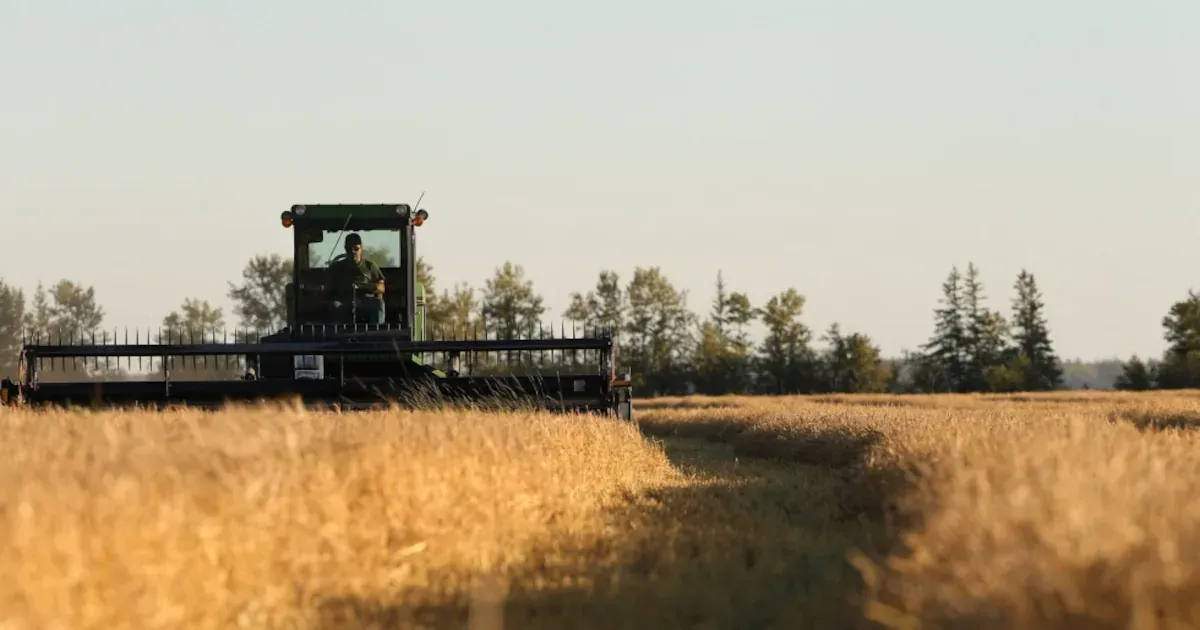
Canadian agriculture’s $12 billion opportunity
Justine Hendricks, president and CEO of Farm Credit Canada, joins BNN Bloomberg to discuss how Canadian farmers are coping with trade tensions. Canada’s agriculture industry has an opportunity to unlock billions of dollars in revenue from new markets and customers as it adjusts to a reimagined trading relationship with the U. S., says the head of Farm Credit Canada (FCC). “We see an opportunity in terms of diversification of markets, and that opportunity has been quantified,” Justine Hendricks, president and CEO of FCC, told BNN Bloomberg on Thursday. “If you take a look over and above the north-south trade, which we know and recognize is important to this industry, there is a $12 billion opportunity that overall is there for us to go and get.”As a federal Crown corporation, FCC provides financing and advisory services to the agriculture industry, and reports to Canadians and Parliament through Canada’s Minister of Agriculture and Agri-Food. Canada’s wool industry looks inward after tariffs cut it off from the U. S. Hendricks noted that many Canadian agriculture products can still flow into the U. S.

Singapore firm set to buy shut Yukon mine for $140M, promises $1.4B in investment
Published: October 22, 2026 at 2:28p.m. EDTA Singapore-based mining company has entered an agreement to acquire the beleaguered Eagle Gold mine in the Yukon for $140 million, more than two years after it was shut down following a massive collapse, with plans to invest a further $1.4 billion in operations and other costs. A statement from Boroo Pte. says that if the deal is approved by the court, it would come with planned capital investment of about $800 million between 2027 and 2029 for environmental rehabilitation, water treatment infrastructure, geotechnical stabilization, and “phased restart activities.”The company says it would also spend more than $600 million over the initial life of the mine “to support and extend mining operations.”The 2024 failure at Eagle Gold’s heap-leach facility released about two-million tonnes of cyanide-laced ore and water into the environment, leading to control of the mine being taken over by a court-appointed receiver.
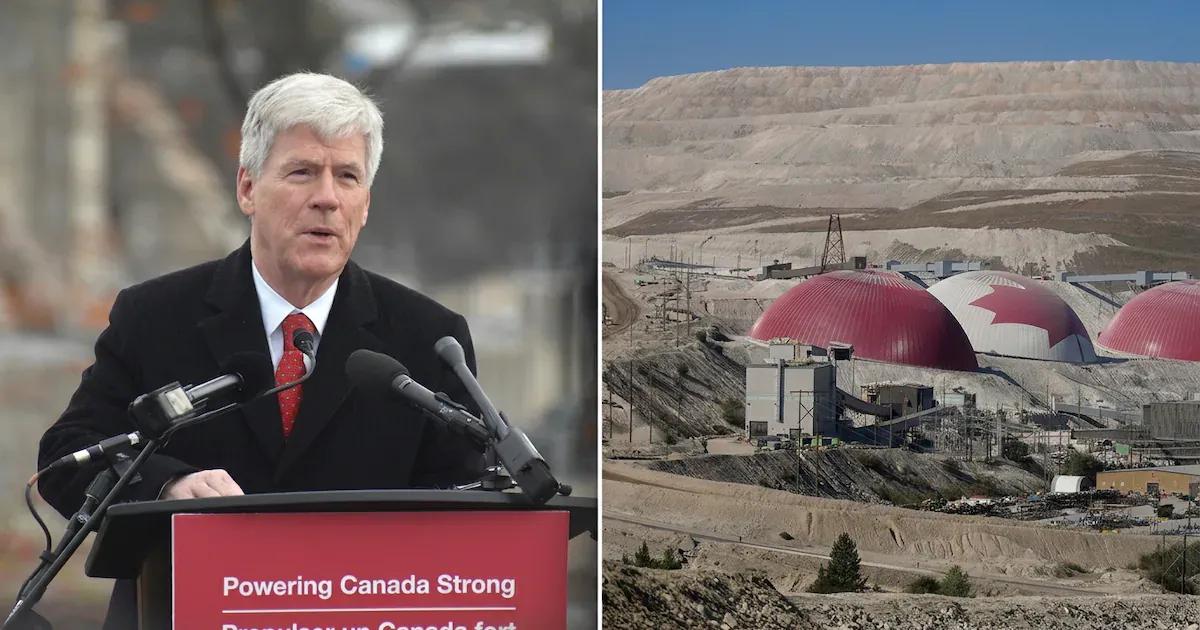
Melanie Paradis: Streamlining mines is good, but Ottawa needs a plan to finance them
Published: October 22, 2026 at 2:07p.m. EDTBNN Bloomberg is Canada’s definitive source for business news dedicated exclusively to helping Canadians invest and build their businesses. Melanie Paradis is the president of Texture Communications and has worked at the intersection of mining and politics for 20 years. There is a tendency in Ottawa to think that if you permit a mine, the capital will flow. But those working in the mining industry and on Bay Street know it isn’t that simple. This week, Energy and Natural Resources Minister Tim Hodgson said the world is entering the “largest investment supercycle in the history of the metals and mining industry.” A supercycle refers to a long period of investment in new mines driven by significant shifts in the global economy. According to Hodgson, this supercycle is tied to increased demand for critical minerals generated by changes to the industrial strategies and economic policies of many countries. To leverage this, the federal government introduced Bill C-39, the Building Canada Strong Act, to compress into one year a federal approvals process that routinely takes several.
0 comments
No comments yet. Be the first to share your thoughts!