Corrections to F.3 Exoplanets Research - NASA Science (.gov)
This story deserves to be shared
Send it to someone who'd care, or post it on your networks.
This article is an excerpt. To read the full content, visit the original source. NASA Science (.gov)
Related articles
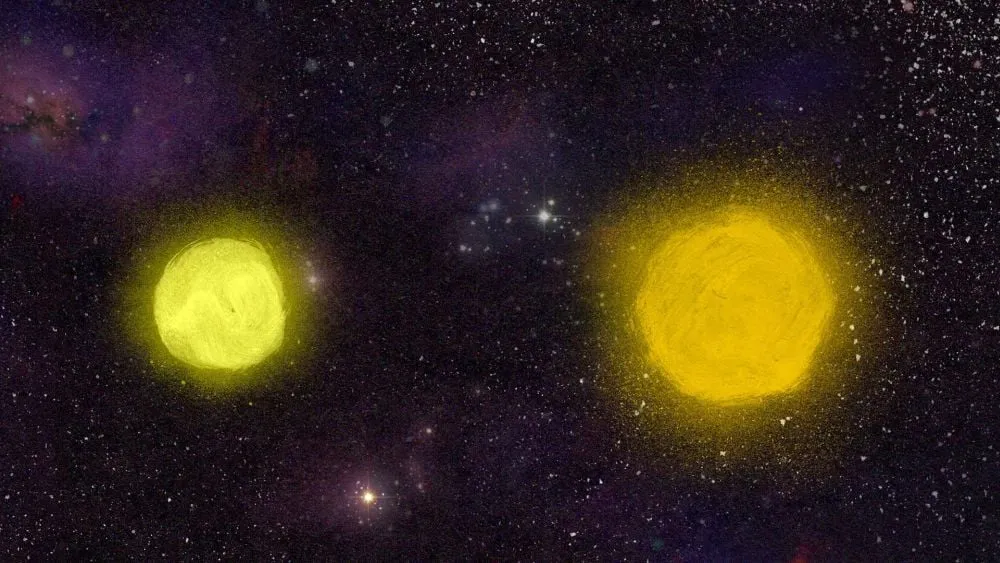
In the Search for Exoplanets, Some Failures Are A Success - Universe Today
In the near future, powerful new telescopes will power a big leap in exoplanet science. Telescopes like the Extremely Large Telescope, the Giant Magellan Telescope, and the Habitable Worlds Observatory will take us beyond exoplanet detection. They'll allow direct imaging of exoplanets, atmospheric spectroscopy, and more precise radial velocity. Beyond that, they may very well detect biosignatures on rocky planets, especially around nearby M dwarfs, if there are any. But observing time on these powerful instruments will be in extremely high demand. Astronomers who request observing time for their research have to make a strong case. Part of that case is knowing what to target. That requires detailed advance preparation.

The Technological Zone is Closer to Stars Than Superhabitable Exoplanets - Avi Loeb – Medium
6 min read6 days ago--(Image credit: Greg Wyatt)If you live in a house, one out of billions of other houses on your street, it is most likely that you do not have the best living conditions. This logic should apply to habitable worlds around stars in our cosmic neighborhood.(Image credit: Greg Wyatt)The class of exoplanets more conducive to life than Earth, are labeled superhabitable worlds. They offer ideal vacation destinations for interstellar travel agencies. If we ever meet aliens from superhabitable planets, they can tell us all about the paradise exoplanets on which they were born. This will likely make us jealous but should not catch us by surprise.(Image credit: Greg Wyatt)Is there a better host star than our Sun? OBAFGKM is the Harvard spectral classification system used by astronomers to categorize stars by their surface temperature, moving from hottest (O) to coolest (M). This system was developed at the turn of the 20th century by pioneering Harvard astronomers, including Annie Jump Cannon and Williamina Fleming. They reordered an earlier, confusing alphabetical system based on hydrogen line strength into a smooth sequence reflecting effective surface temperature.
Exoplanets - NASA Science (.gov)
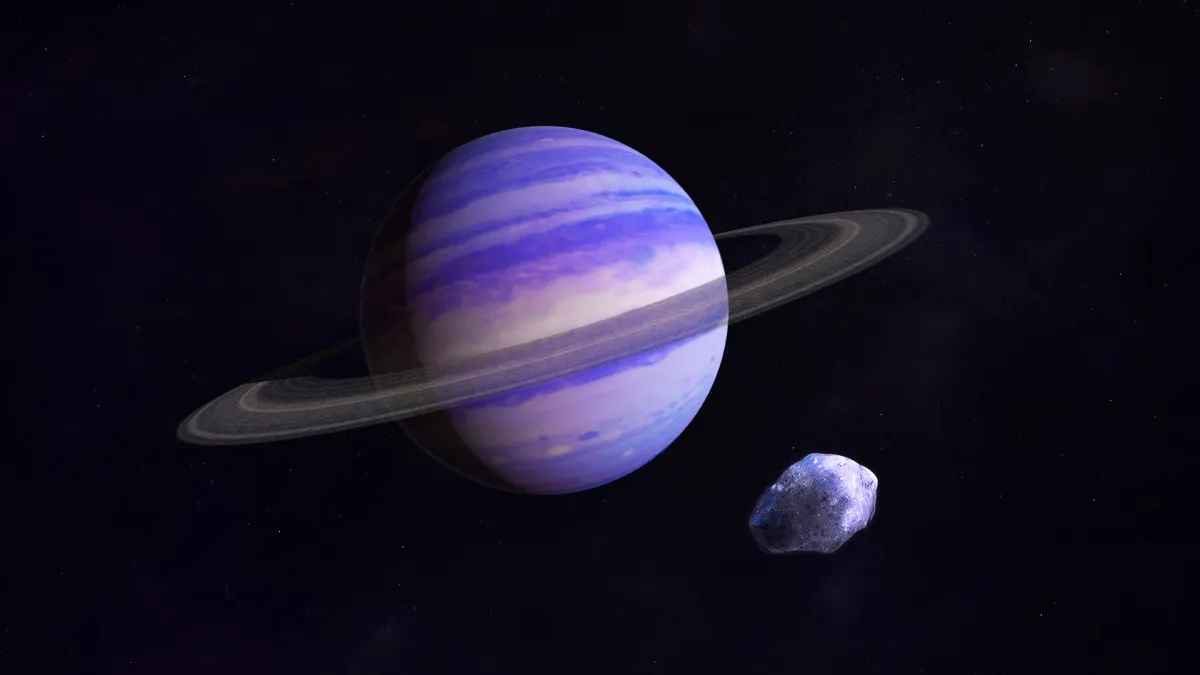
Most of the exoplanets detected so far seem wild and exotic compared to the worlds in our solar system. Astronomers are eager to find habitable, Earth-like planets. But finding relatively small, dim bodies orbiting large, bright stars is tricky. Astronomers have used the transit detection method to find most of the known exoplanets, relying on serendipity to spot planets crossing in front of their stars. Roman will find around 100,000 planets using this technique, but it will primarily use a planet-hunting method called microlensing.
0 comments
No comments yet. Be the first to share your thoughts!