Company that put gas engines in Teslas goes bankrupt owing $37 million
This story deserves to be shared
Send it to someone who'd care, or post it on your networks.
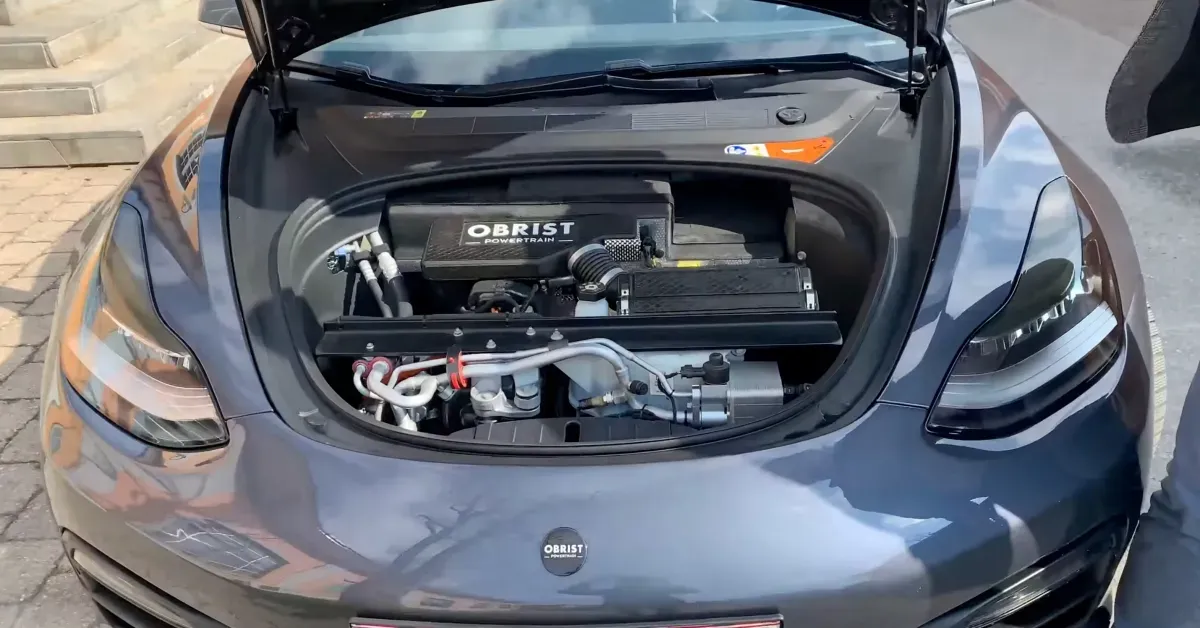
Obrist, the Austrian engineering firm famous for ripping battery cells out of a Tesla Model 3 and bolting a gas engine into the frunk, is bankrupt. Three companies in the Obrist Group are insolvent with combined debts of about €31.8 million, or roughly $37 million.
The company spent over a decade pitching its “HyperHybrid” range extender as the smarter alternative to battery-electric cars. It never got a single production vehicle out of it.
This article is an excerpt. To read the full content, visit the original source. Electrek
Related articles
This Is Why Everyone Hates V6 Engines
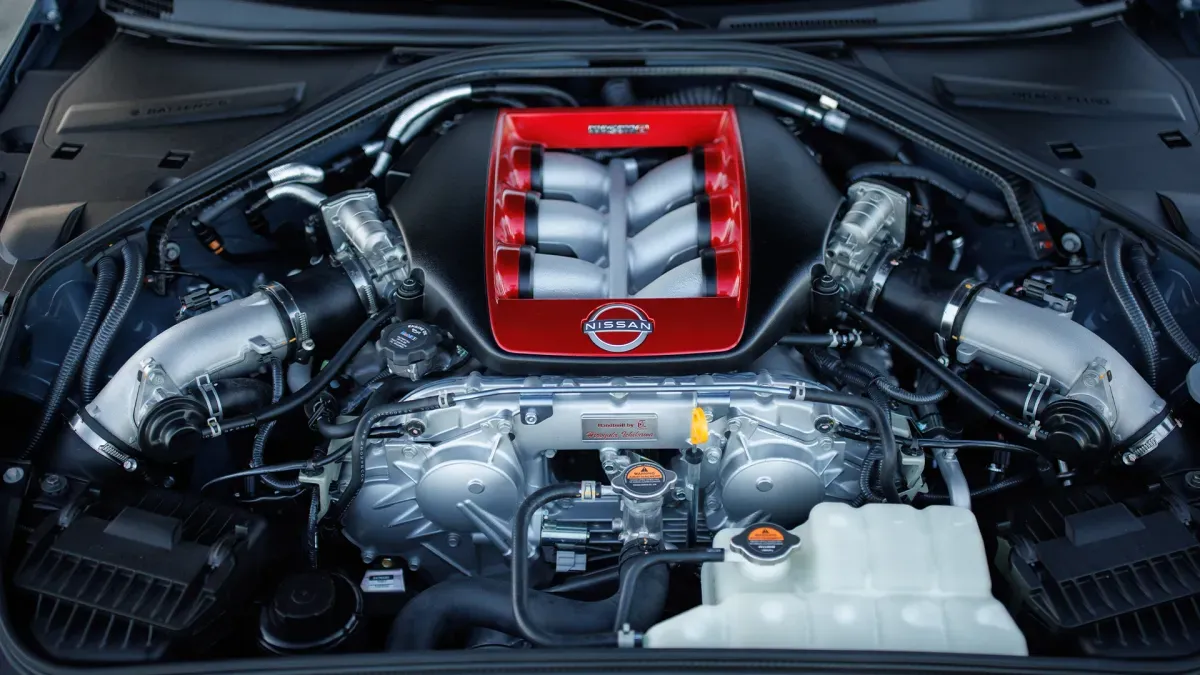
If you’re a child of the 1990s, a V6 is probably part of the soundtrack to your youth, just like the Backstreet Boys. These engines were once the default choice when automakers needed a little extra power in sedans, SUVs, minivans—you name it. There have been many notable V6-powered performance cars as well, from the Buick GNX to the R35 Nissan GT-R. But V6s just don’t inspire the same passion as other engine formats. V6-powered cars have their fans, but the engine itself really doesn’t. The Drive explored why that is in a new YouTube video, and it starts with engineering compromises. Companies started experimenting with V6 engines before World War II, and Lancia brought the V6 to mass production in the Aurelia in 1950, but the story of the V6 as a truly mainstream engine begins in 1962 with General Motors. Looking to economize, the automaker’s Buick division lopped two cylinders off one of its smaller V8s to create the “Fireball” V6. It was all about saving engineering costs since, aside from the different number of cylinders, everything else was the same.

You Can Run Ford's EcoBoost Engines On Regular, But There's A Benefit To Premium
Higher octane ratings will cost you more but it could be worth the price Regular and premium gasoline may look and smell the same, but they differ in many key ways. In the U. S., most regular pump gas has an octane rating of 87, while premium gas generally ranges from 91 to 94 octane. The increased octane rating means premium gas is better for performance and is often recommended for use in supercharged, turbocharged, and high-compression engines. And in the Ford world, regular and premium gas can mean the difference between an engine that's constrained and one that produces maximum power.

Most Police Cars Don't Come With V8 Engines Anymore
The V8 cruiser in your rearview mirror is becoming quite a rare sight these days. Police departments across America have largely moved on from big, thirsty eight-cylinders, and the reasons come down to three things: the cars are gone, the fuel bills make little sense, and the smaller engines that replaced them are actually really good. Start with the cars. The Ford Crown Victoria Police Interceptor, the 4.6-liter V8 sedan that defined American policing for decades, went out of production after 2011. Production of its Taurus-based successor, the Police Interceptor Sedan, ended in 2019. Dodge's Charger Pursuit, the last big rear-drive V8 sedan in patrol work, went away along with the gas-powered Charger in 2023.
The Answer To Balancing Your Budget With High Gas Prices Is A Costco Date Night
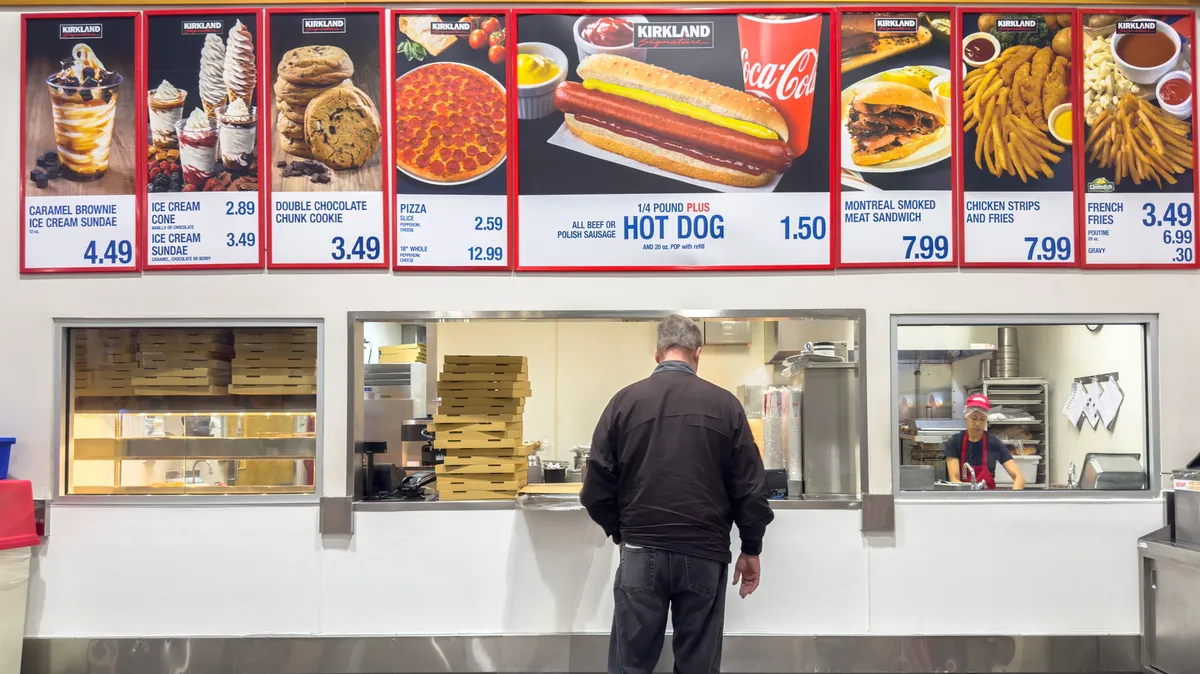
We may receive a commission on purchases made from links. Life is expensive and only getting more so with each passing day. It's like you're always stuck in second gear. Your job's a joke, you're broke, etcetera. Recently, my favorite way to turn a day around, spend some time with my loving spouse, and not deplete my wallet is to drive to the nearest Costco. No matter what state you're in (geographically, financially, or emotionally), the Costco food court can be a shining beacon of anti-inflationary eating, as you walk in and grab a glorious quarter-pound tube of meat smushed into a moist white bread envelope for just one dollar and fifty cents. That's not all, though, as the Costco Hot Dog also comes with a refillable container for Coca-Cola products.

Samson dev Liquid Swords has reportedly gone bankrupt
Around 30 staff are affected, and the state will compensate them. Swedish studio Liquid Swords, maker of action game Samson, has reportedly been put into bankruptcy.

Samson Developer And Publisher Liquid Swords Goes Bankrupt, 6 Months After Release
Liquid Swords, the Swedish developer and publisher behind the recently released GTA-like Samson, has filed for bankruptcy following an order issued by the Stockholm District Court. Liquid Swords was founded by former Avalanche Studios co-founder Christofer Sundberg, who oversaw the development of all four Just Cause games during his time at the studio. Following Liquid Swords’ founding in 2020, the studio’s first and only title, Samson, was released to Steam on April 8, 2026. Samson was released to less-than-stellar reviews and is currently sitting at a score of 51 percent on Metacritic. Critics and players primarily took issue with Samson’s litany of bugs and performance-related issues at launch, which resulted in an impassioned apology letter from Sundberg on Steam. Sundberg described the game’s state at launch as “unacceptable,” and vowed to address its “game-breaking bugs and performance issues” in future patches. To Liquid Swords’ credit, Samson has received several updates since release. As reported by Swedish news site Breakit (via Gametalk), the Stockholm District Court issued the bankruptcy order against Liquid Swords on October 12.
0 comments
No comments yet. Be the first to share your thoughts!