Closing the Black maternal-health gap: Healthier lives, stronger economies - McKinsey & Company
This story deserves to be shared
Send it to someone who'd care, or post it on your networks.
This article is an excerpt. To read the full content, visit the original source. McKinsey & Company
Related articles

Pregnancy After Living Kidney Donation, With Amit X. Garg, MD, PhD - HCPLive
News|Videos|October 22, 2026 Amit X. Garg, MD, PhD, discusses new JAMA data on preeclampsia risk after living kidney donation in a 3-part video interview. A 3-part video interview covers new Canadian data on hypertensive disorders, small for gestational age births, and donor counseling. Whether donating a kidney will affect future pregnancies is one of the questions living donor candidates of childbearing age raise most often, and counseling practices still vary across transplant centers.¹A matched cohort study presented at American Society of Nephrology (ASN) Kidney Week 2026 and published simultaneously in JAMA offers new data. Hypertensive disorders of pregnancy, including gestational hypertension and preeclampsia, occurred in 11.9% of donor pregnancies vs 8.3% of matched nondonor pregnancies across 3 Canadian provinces, though more than 88% of donor pregnancies were unaffected.¹,² Small for gestational age (SGA) births were also more common among donors.¹Amit X.

Antibodies Against Avian Influenza Detected in Polar Bears in Greenland - High North News
Polar bears live on sea ice, but are increasingly forced to move onto land as the ice melts. There, they face a risk of influenza transmission from birds. The photograph was taken by researchers near Ittoqqortoormiit in eastern Greenland. For the first time, antibodies against avian influenza have been detected in polar bears in Greenland. Researchers still know little about how lethal the virus is, but believe increased surveillance could provide early warnings of its spread.
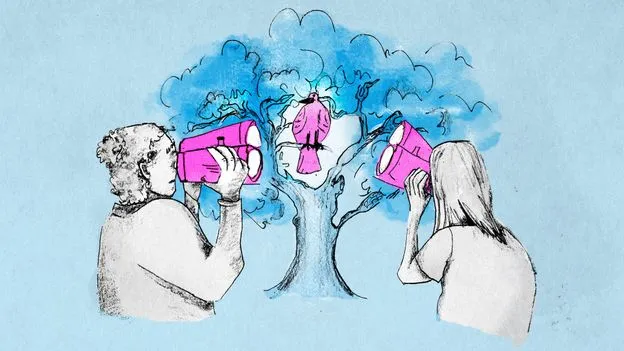
Birdwatching rewires the brain and slows cognitive decline - BBC
48 minutes agoBecca WarnerBBC/Serenity Strull(Credit: BBC/Serenity Strull)Birdwatching can help slow brain ageing and is increasingly being used as therapy for dementia patients. Every week, a group of elderly birders spend hours hunkering down inside a wooden hide in the English countryside, peering through binoculars as they excitedly share what they spot. An oystercatcher's long, bright beak probing the pebbled ground; two great crested grebes bobbing in the water, their plumed heads poised. Most of these birdwatchers have difficulty recalling what happened earlier that day, and might struggle to follow a conversation. But they become animated when swapping notes on the birds that fill the sky around Forge Mill Lake in the UK's West Midlands. Among them is 78-year-old Harold*. He loved the outdoors when he was younger, but more recently dementia has made him withdrawn and anxious. His daughter Lucy* brought him here, hoping that the change of scenery and peaceful lake might be good for him. After an apprehensive start, Harold began smiling when someone pointed out a robin and enjoyed watching the ducks splashing in the water.
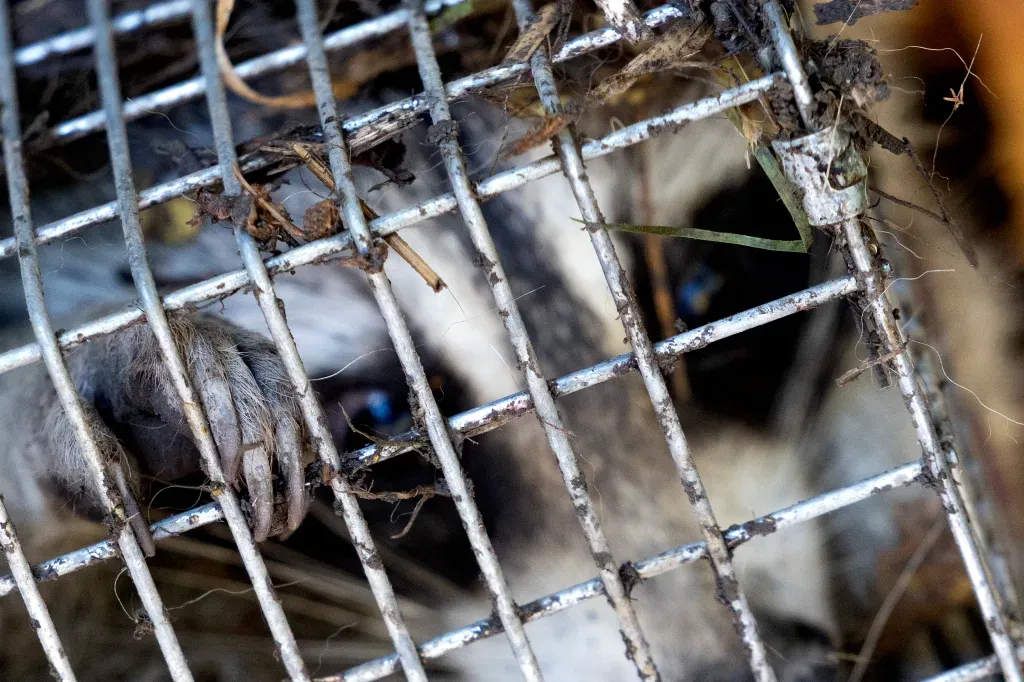
The race to stop rabies from reaching Montreal - Montreal Gazette
Armed with traps, vaccines and treats, wildlife experts are battling to quell the largest raccoon rabies outbreak in Quebec's history. Close to a popular pedestrian path cutting through Michel Chartrand Park in Longueuil, wildlife technicians Guillaume Lemieux and Simon Bellefleur stride through the underbrush of the sun-dappled forest to retrieve a cage baited with marshmallows the day before.
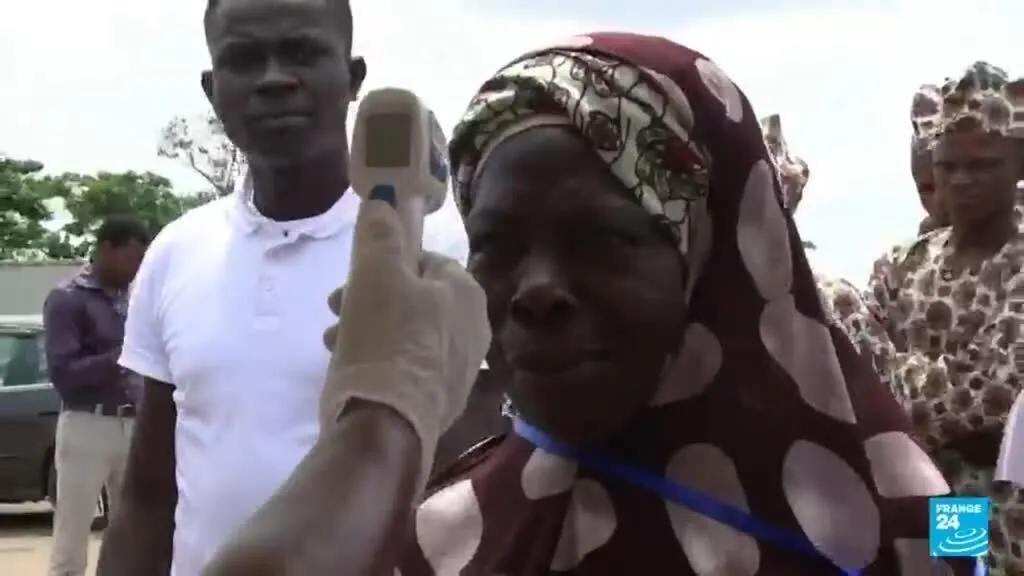
Africa faces 'complex' Ebola outbreak after spread to Nigeria: WHO - France 24
The World Health Organization warned Thursday that Africa faced a "complex" Ebola outbreak after the virus crossed from east Africa to Nigeria, marking the first case in the west of the continent.
0 comments
No comments yet. Be the first to share your thoughts!