Clonal Hematopoiesis and Biological Aging: An Emerging Biomarker for Longevity Medicine - Cureus
This story deserves to be shared
Send it to someone who'd care, or post it on your networks.

Chronological age does not fully capture the substantial interindividual variability in aging, prompting growing interest in biomarkers that reflect biological aging and susceptibility to age-related disease. Clonal hematopoiesis of indeterminate potential (CHIP), characterized by the age-related expansion of hematopoietic clones carrying somatic mutations in the absence of an overt hematologic malignancy, has emerged as a potential link between somatic evolution, chronic inflammation, and age-related disease. This narrative review examines the biological mechanisms linking clonal hematopoiesis to aging, evaluates the evidence supporting CHIP as an emerging biomarker of biological aging, and discusses its potential implications and current limitations in longevity medicine. CHIP becomes increasingly prevalent with age and reflects the interplay between somatic mutation accumulation, clonal selection, and an aging inflammatory microenvironment. Growing evidence links CHIP to epigenetic age acceleration, with associations influenced by the mutated gene, clone size, and clonal architecture. Beyond its established risk of progression to myeloid malignancy, CHIP is associated with cardi
This article is an excerpt. To read the full content, visit the original source. Cureus
Related articles
Navigating oligometastatic breast cancer: the role of stereotactic radiotherapy - Oncology Central
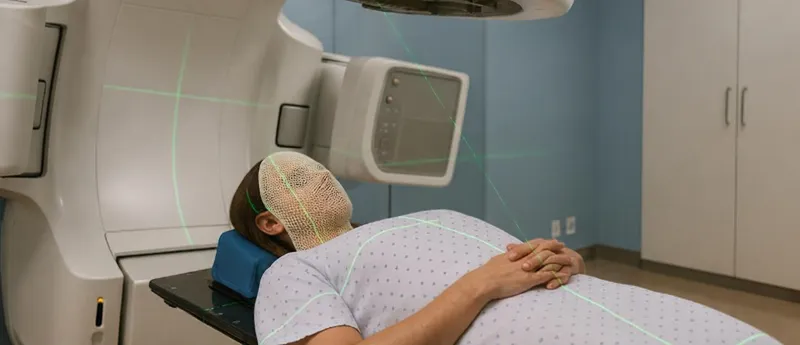
In this interview, Imogen Locke (The Royal Marsden NHS Foundation Trust, UK) discusses the evolving role of stereotactic ablative radiotherapy (SABR) in oligometastatic and oligoprogressive breast cancer. Locke explains the distinction between these two clinical scenarios, how timing and patient selection influence treatment decisions, and emerging evidence around metastasis-directed radiotherapy for ER-positive, HER2-negative patients on CDK4/6 inhibitors. Additionally, Locke walks us through a patient case study and highlights key radiotherapy trials seeking to answer the most pressing questions in breast cancer radiotherapy.
My mother killed herself. I wish assisted suicide had been an option - STAT
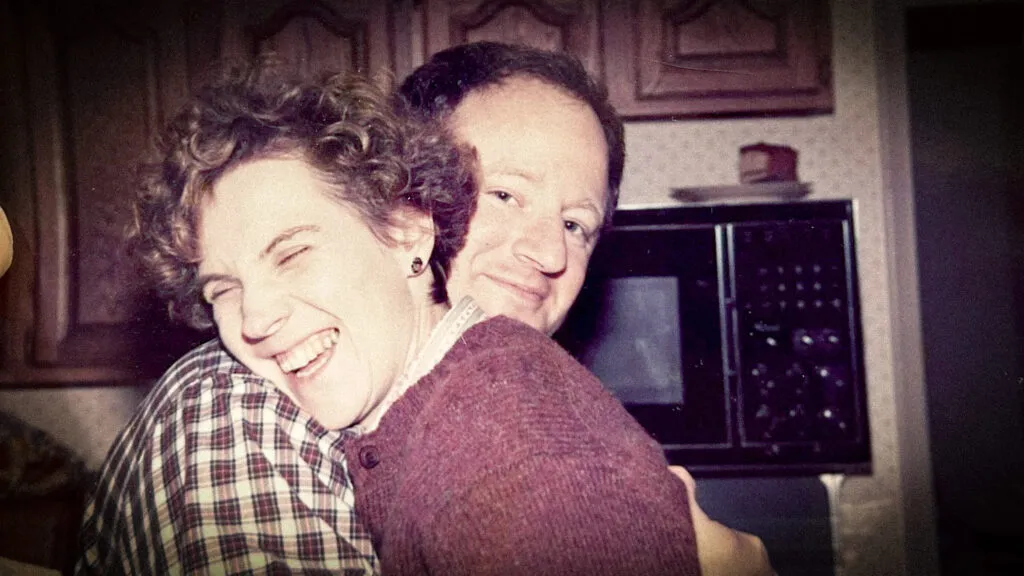
I can’t count how many times my mother attempted suicide. It first happened when I was 15, in 1999. The final time — when she actually died — came when I was 32, in 2016.
Measles outbreak in Bangladesh is a ‘real warning’ to other nations, experts say - NBC News
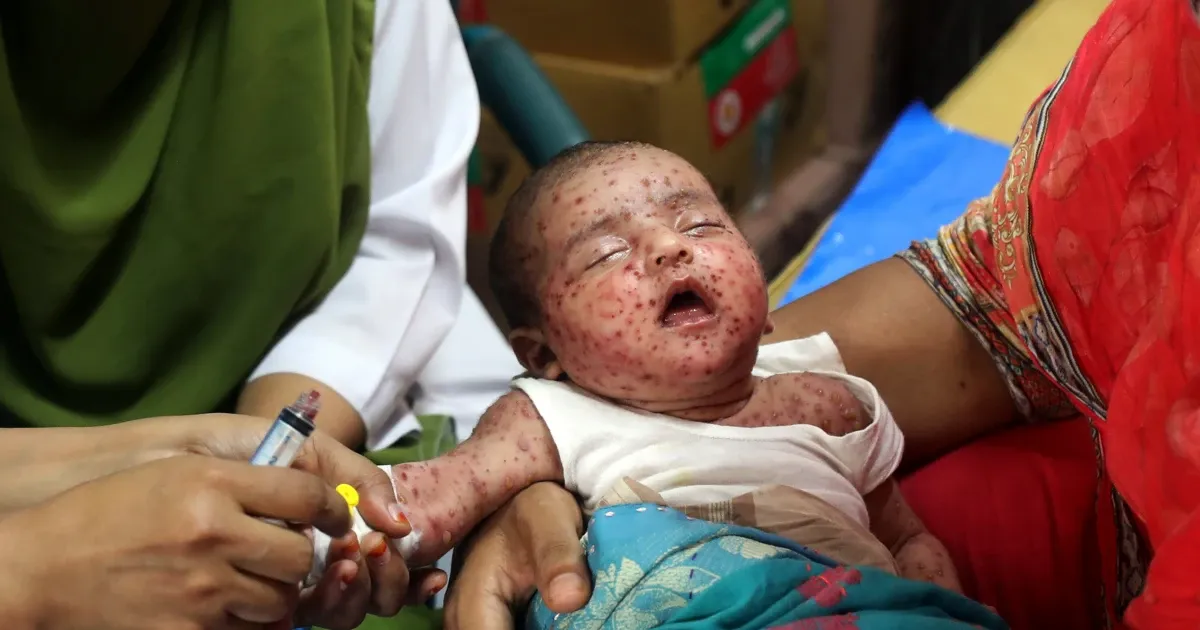
But that same year, protests erupted that ended 15 years of rule by Prime Minister Sheikh Hasina. In the ensuing political turmoil, health workers went on strike, vaccine orders were delayed and follow-up vaccinations that usually accompany routine programs were disrupted. In a report published in July this year, WHO and UNICEF estimated that first-dose coverage in 2025 had fallen to 90%, while second-dose coverage was 86%, several percentage points below the 95% needed for herd immunity. The report also raised questions about the quality of official data on vaccinations for measles and other diseases for the years 2023 to 2025. It said preliminary figures sometimes showed numbers of those inoculated exceeded 100% of those targeted, indicating mistakes in counting doses or target numbers. Emergency program missed millionsStill, when the measles outbreak erupted, Bangladesh responded swiftly and initially seemed to be winning the battle. An emergency program was followed by an initial slowdown in new cases after almost 20 million children received vaccinations in April and May. The government said it had covered every child in the target age group of 6 months to 5 years.
0 comments
No comments yet. Be the first to share your thoughts!