Climate-Smart Public Health: A blueprint for resilient health systems - Harvard T.H. Chan School of Public Health
This story deserves to be shared
Send it to someone who'd care, or post it on your networks.
This article is an excerpt. To read the full content, visit the original source. Harvard T.H. Chan School of Public Health
Related articles

Six-gene scoring system could help predict AML survival - healthcare-in-europe.com
Spleen tissue from a mouse without PHF19 (left) and a mouse with normal PHF19 function (right). Dense clusters of immune cells sit within blood-rich regions in pink. Without PHF19, cells are altered in their differentiation process. Image credit: Gianni Gamarra/Centro de Regulación Genómica Experiments with mice and patient data reveal new genes that can predict acute myeloid leukaemia outcome

Children's brain reward responses may explain ultra-processed food-related weight gain - News-Medical
Children who eat more ultra-processed foods (UPFs) show stronger responses in the brain's reward network when viewing images of appetizing foods-and these brain responses are linked to increases in body fat one year later. The findings, just published in JAMA Network Open, suggest that the brain may become more sensitive to food cues when children consume more UPFs. UPFs are manufactured food products-such as breakfast cereals, packaged bread and instant soups-that are designed to be highly palatable, convenient and shelf-stable. They often contain artificial sweeteners, colors and other ingredients that people do not typically use when cooking at home. On average, U. S. children get about 67% of their daily calories from UPFs.
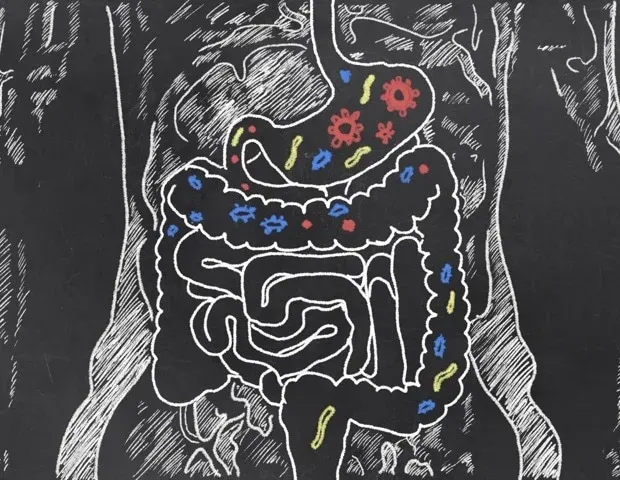
Gut microbiome differences may explain varied sleep responses to hydrogen supplementation - News-Medical
Hiroshima University researchers investigated the effects of hydrogen supplementation on sleep quality in healthy human volunteers. While hydrogen supplementation had no significant effect compared to a placebo, individuals in the hydrogen-supplementation group reporting better sleep quality were discovered to have a lower abundance of hydrogen producing bacteria in their gut microbiome. A Hiroshima University-led randomized, double-blind clinical trial found that hydrogen supplementation did not significantly improve sleep quality compared to a placebo; however, exploratory analyses suggest that differences in the abundance of hydrogen-producing gut bacteria may be associated with individual differences in sleep-related responses.

WHO announces start of Ebola vaccine clinical trial in DR Congo - Al Jazeera
The World Health Organization (WHO) has announced the beginning of the first clinical trial of an Ebola vaccine in the outbreak that started in the Democratic Republic of Congo (DRC). WHO’s director-general, Tedros Adhanom Ghebreyesus, said in a social media post on Friday that participants in the trial were vaccinated with the Ervebo vaccine in Bunia, the capital of the DRC’s northeastern Ituri province, which is the epicentre of the Ebola outbreak. Recommended Stories list of 3 itemslist 1 of 3Kenya announces second Ebola death, says ‘no evidence’ of community spreadlist 2 of 3Nigeria’s first Ebola case matches DR Congo strain, health officials saylist 3 of 3WHO warns ‘more complex’ Ebola outbreak now present in 3 African countriesend of listErvebo, a vaccine approved for use against the more common Zaire strain of Ebola, will be put through a full-scale human trial to see if it offers any cross-protection against the Bundibugyo species of Ebola that is behind the epidemic. “This trial will help us understand whether any of the vaccine candidates designed for Bundibugyo virus work,” the WHO chief said on X.

Diagnostic test could help doctors refine prostate cancer treatment - Medical Xpress
Prostate cancer is the most common cancer in men—in 2013, it affected more than 1 million men across the world. The cancer does not behave the same way in every patient, and doctors have long faced a difficult balancing act between identifying patients who will benefit from more intensive treatment and those who may do just as well without it. Treating someone more aggressively than necessary is associated with increased side effects and poorer quality of life. At a major cancer conference in Madrid, a team from University College London unveiled the latest findings from their STAMPEDE clinical trial, which has shown that adding the hormone therapy abiraterone to the standard treatment for men with high-risk, localized prostate cancer could halve the risk of death from the disease and slow overall progression.
0 comments
No comments yet. Be the first to share your thoughts!