China launches 'human artificial embryos' to space in bid to see whether reproduction is possible off-world - Live Science
This story deserves to be shared
Send it to someone who'd care, or post it on your networks.
This article is an excerpt. To read the full content, visit the original source. Live Science
Related articles
Male seahorse pouch proteins may help remove toxic waste from developing embryos - Phys.org
Male seahorses, fishes that belong to the Syngnathidae family, show a distinctive reproductive strategy in which males carry developing embryos in a brood pouch. Their most distinctive feature is the brood pouch on the ventral side of the male fish, into which the female fish transfers her eggs.
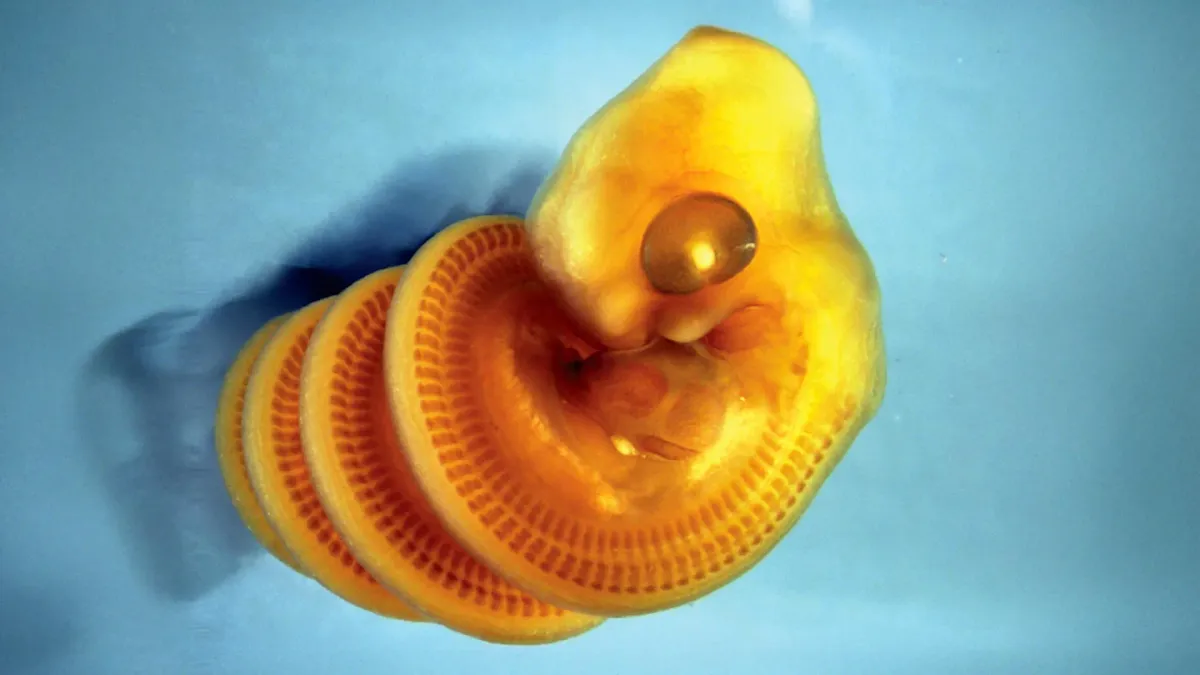
Scientists discover why snake embryos twist into spirals - Science Daily
An international research team led by scientists in Canada has uncovered a likely explanation for one of the more unusual features of snake development: why embryos curl into tight spirals before hatching. This coiling behavior appears to help snakes accommodate the exceptionally long bodies that distinguish them from every other vertebrate. The findings, published in Current Biology, suggest that the spiral forms as the embryo's body rapidly lengthens while its gut acts as a tether. That physical constraint causes the growing body to buckle and twist into a right-handed coil.
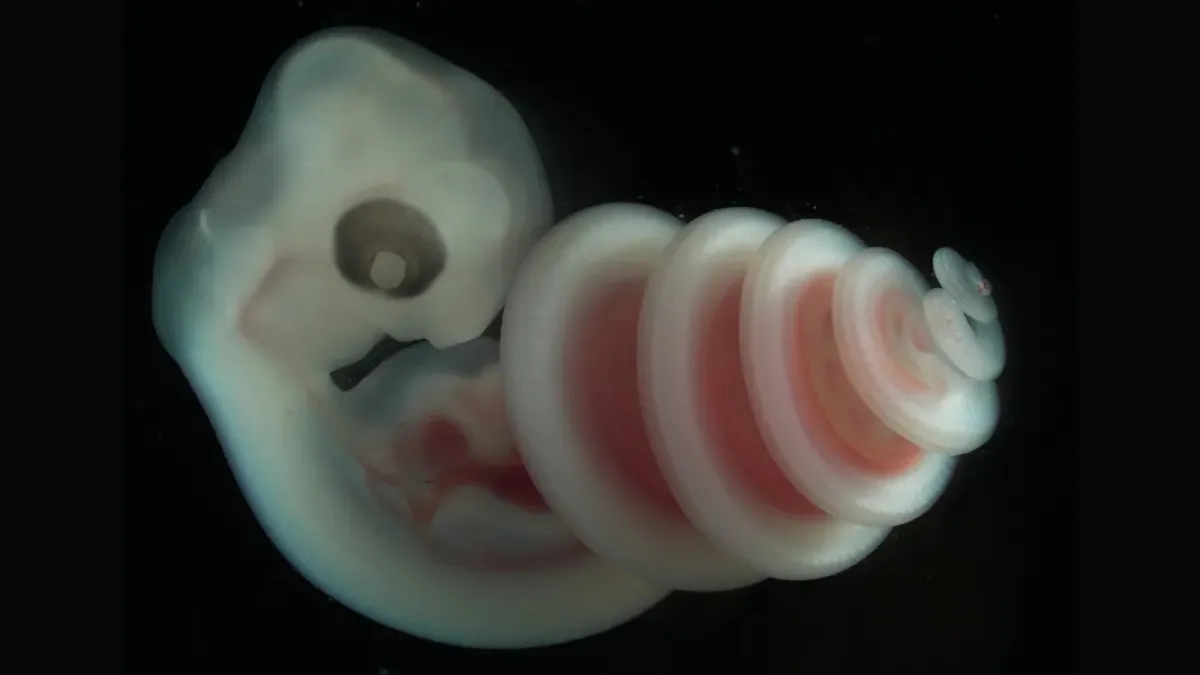
Biologists discover why snake embryos always coil to the right - Popular Science
An embryo of a Cape house snake (Boaedon capensis), one of the more than 900 specimens that were part of the study on snake coiling. When it’s time to finally greet the world, snakes emerge from their shells with the longest bodies of any vertebrate animal. This remarkable evolutionary achievement is only possible due to their limber gestational contortions. Snake embryos develop in a tight spiral, and these early stage coils always form dextrally, or towards the right. But how (and why) the reptiles consistently favor this right angle has baffled biologists for years.
0 comments
No comments yet. Be the first to share your thoughts!