Chilliwack roundabout art at Lickman Road to feature a salmon-in-motion sculptural design - Chilliwack Progress
This story deserves to be shared
Send it to someone who'd care, or post it on your networks.
This article is an excerpt. To read the full content, visit the original source. Chilliwack Progress
Related articles
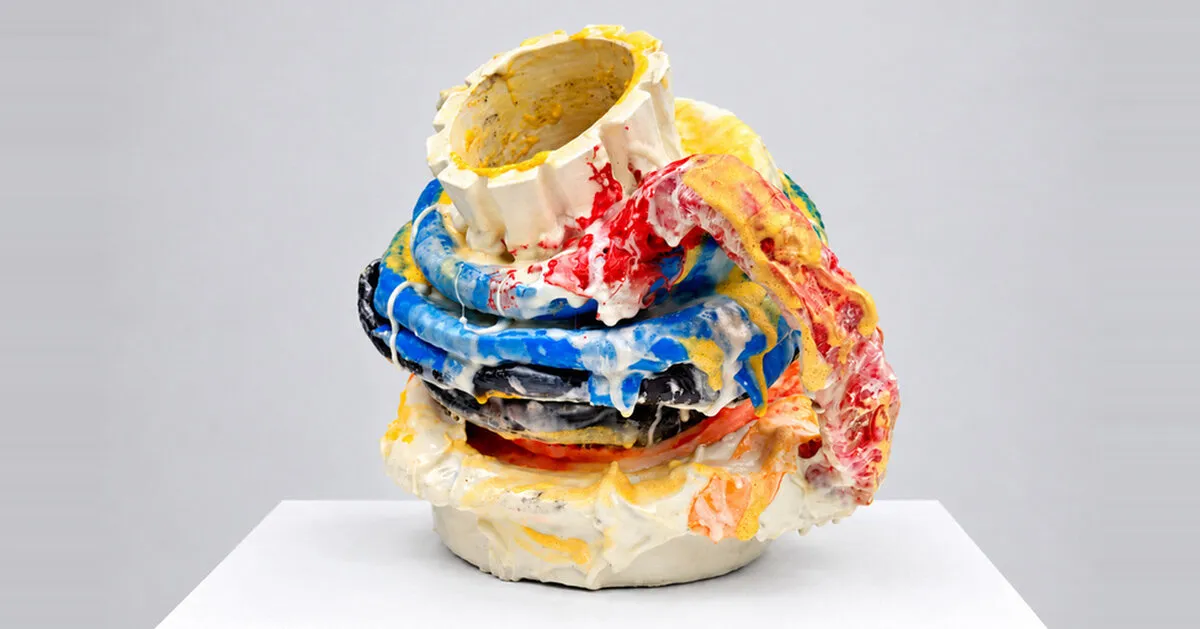
from laboratory waste to art, discarded research prototypes transform into sculptural objects - Designboom
what happens to the physical remains of innovation? the form that remained transforms discarded prototypes, failed experiments, and forgotten fragments of scientific research into unique sculptural objects through a process of fragmenting, layering, and fusing materials. Ruben Moutinho edited by christina vergopoulou October 17, 2026 3 min prefer designboom on googleDISCARDED RESEARCH PROTOTYPES turn into SCULPTURAL OBJECTSDeveloped by industrial designer and researcher Ruben Moutinho, THE FORM THAT REMAINED transforms discarded research prototypes, experimental models, and obsolete components into a series of one-of-a-kind sculptural objects. The project establishes its material archive directly from scientific and technological development projects, preserving the technical geometries, surface treatments, and structural forms produced during iterative testing and refinement.
What London’s Sales Tell Us About the Market
Plus, Francois Pinault plans a permanent collection at Venice's Palazzo Grassi. The post What London’s Sales Tell Us About the Market appeared first on Artnet News .
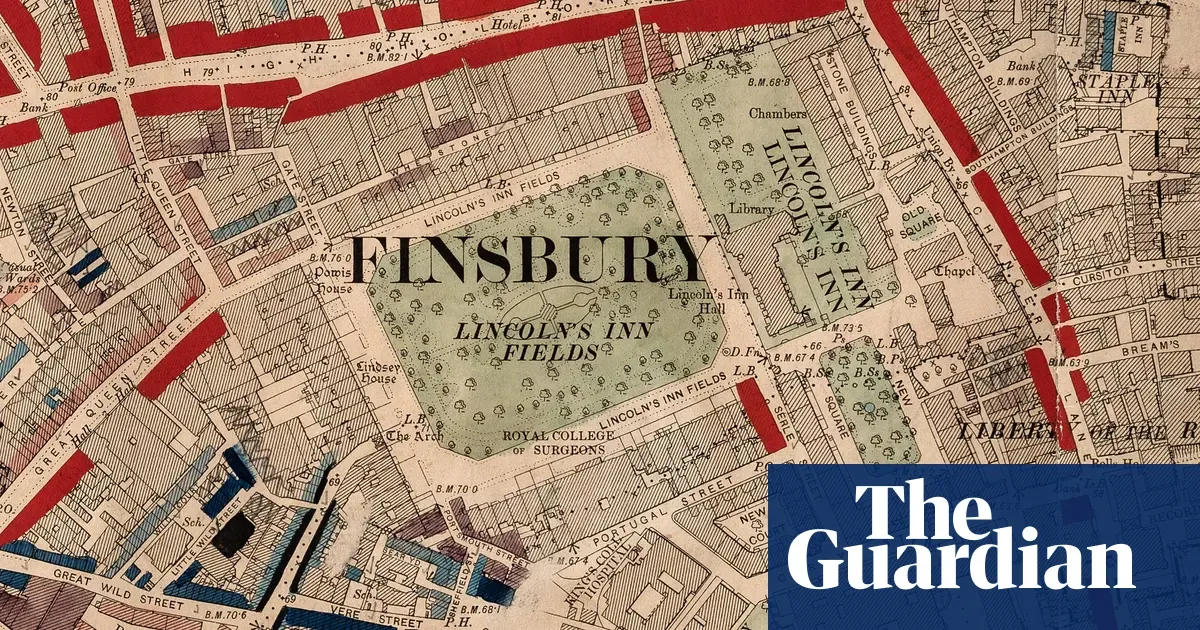
Blue for poor, yellow for posh: the London maps exposing centuries of terrible housing
Charles Booth’s pioneering poverty maps of Victorian London show a vivid colour-coded warren of streets, alleyways and slums tightly packed together. Those marked black and dark blue were classed as being “very poor”, defined by “chronic want”. The light blue ones were poor – “18s to 21s a week for a moderate family”. Pink streets housed those who were “fairly comfortable”, and those where the wealthy lived were marked in yellow. The maps by the British social reformer are the 19th-century equivalent of the modern-day indices of deprivation, which rank every geographic area of the UK by its level of social and economic disadvantage. Comparing the two shows how much has changed in the past 150 years – but also what hasn’t. Historical slums have been cleared away and housing conditions have generally improved, but extreme poverty and extreme wealth continue to live side by side in the capital. Booth’s maps form the backbone of a new exhibition at Senate House library titled A Place to Call Home, which charts the history of housing and poverty in London over the past 200 years.
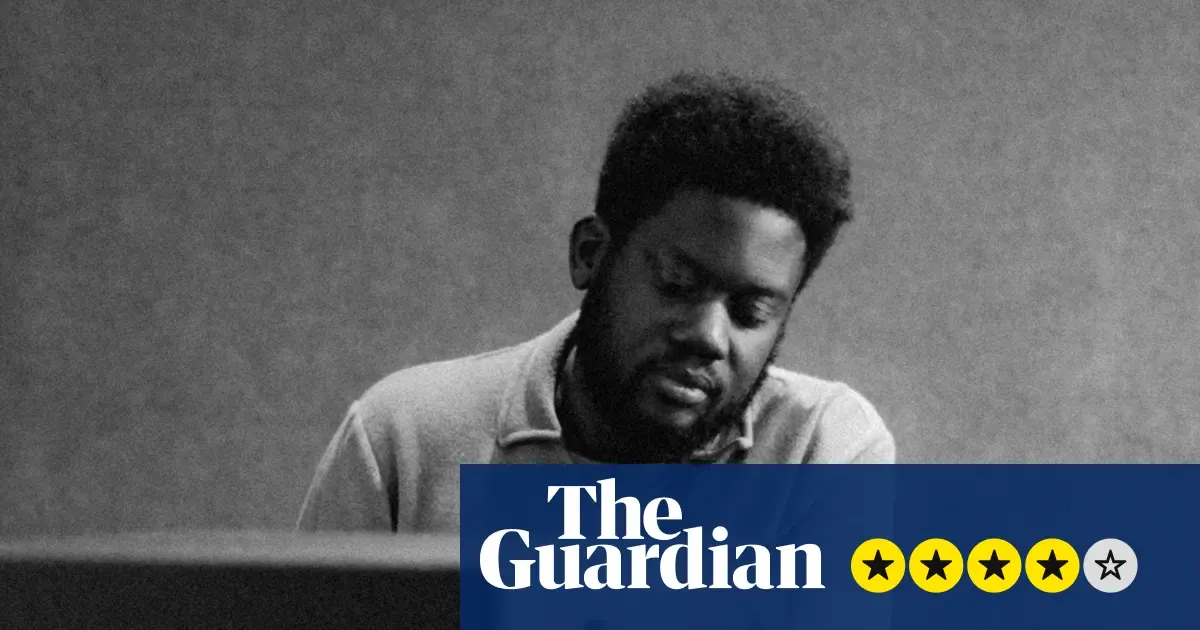
Michael Kiwanuka: Fudge review – rough and instinctive, but also lush and alive with melody
In November 2024, Michael Kiwanuka released his fourth album, Small Changes, an extremely poised and self-assured piece of work. After three gold albums, a Grammy nomination, a Mercury prize win and the ongoing success of Cold Little Heart, a 2017 single hoisted to virality and million-selling status in the US after its use in TV drama Big Little Lies, Kiwanuka – and his long-term production collaborators Danger Mouse and Inflo – evidently felt confident enough to release a beautiful but wilfully understated album. Recorded in LA, some impressive names lurked in the credits: legendary session musicians including bassist Pino Palladino and the drummer James Gadson, who played on Marvin Gaye’s I Want You and Donald Fagen’s The Nightfly; the similarly legendary R&B producer Jimmy Jam served as organist on three tracks. It attracted the kind of critical praise in which adjectives like “unhurried” and “meditative” figured heavily. But it also wasn’t the whole story. It turned out there was a second album, its songs written – or rather, jammed into existence by Kiwanuka and members of his live band – concurrently with Small Changes.
0 comments
No comments yet. Be the first to share your thoughts!