Capsaicin Receptor Has Distinct Responses to Different Stimuli - Technology Networks
This story deserves to be shared
Send it to someone who'd care, or post it on your networks.
This article is an excerpt. To read the full content, visit the original source. Technology Networks
Related articles
The receptor behind chili-pepper burn may hold clues to pain treatments - Medical Xpress
Scientists have long known that capsaicin, the ingredient that makes chili peppers feel hot and is used in some pain-relief creams, works by activating a pain-sensing receptor known as TRPV1.
Scientists Discover a Cannabis Receptor That Could Stop Breast Cancer Spreading - ScienceAlert
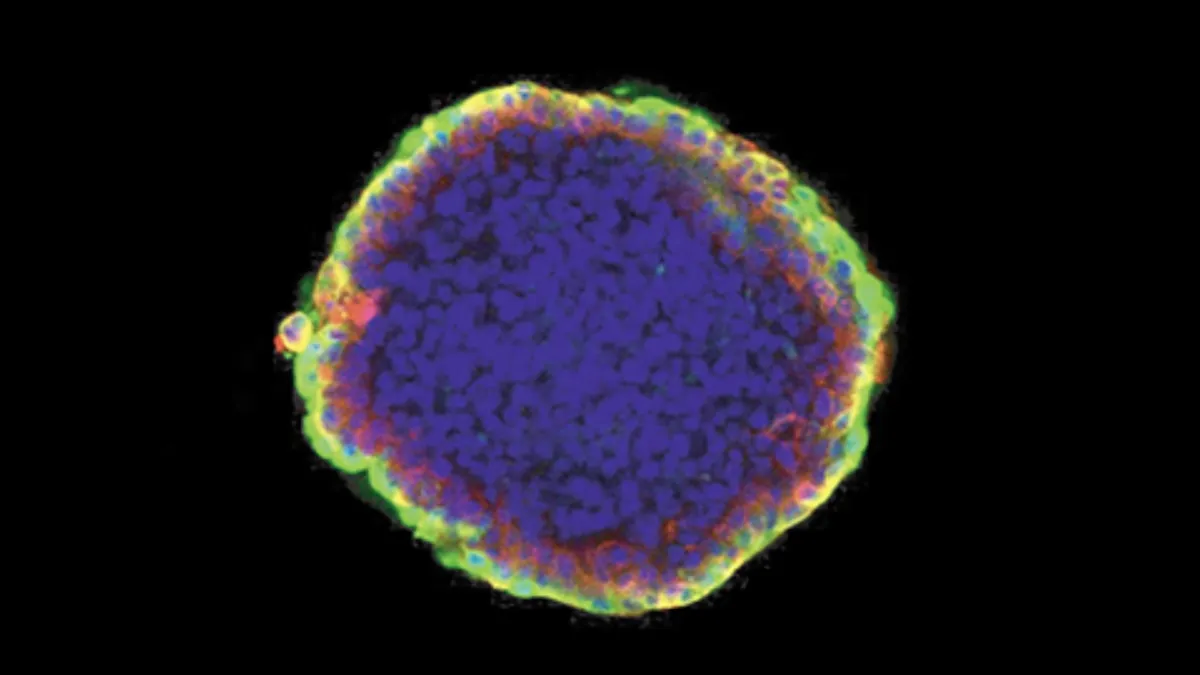
Cancer cells are proving trickier than we thought, so scientists are getting even trickier to shift the survival odds in our favor. Recent medical research has highlighted a significant issue: cancer cells display plasticity. Some cancer cells can spontaneously revert from a differentiated state to become 'immature' and stem-cell-like again, switching their identity to yield more diverse, aggressive, and proliferative tumors. As a result, they thwart traditional treatments like chemotherapy and radiation, which aim to stop cellular division and kill cancerous (and other) cells outright. Unfortunately, these therapies may also create evolutionary pressure that favors more resistant and aggressive cancers that can more effectively spread throughout the body. So in a new experiment, medical researchers used the cannabis compound, THC, to push cancer cells to 'lock in' and make tumors less ferocious. A graphical abstract of the experiment.
Scientists uncover a hidden map of the brain with 539 distinct regions - Science Daily
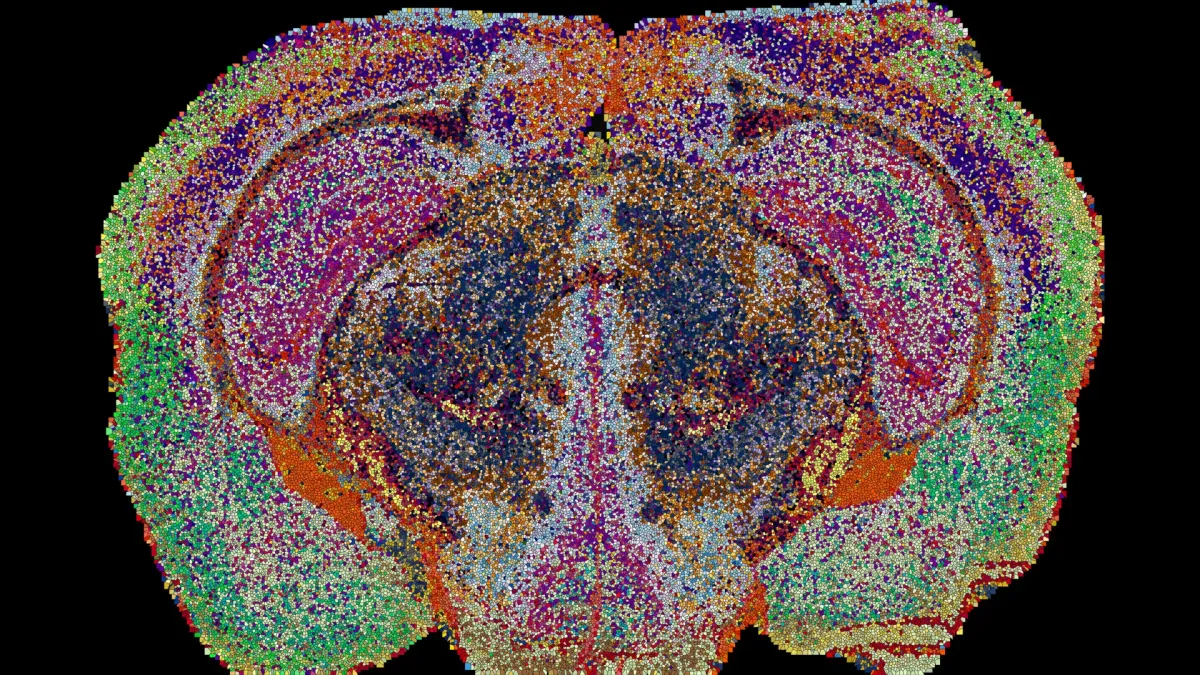
Scientists have spent decades studying the brain's cells, connections, genes, and proteins. Yet another essential part of brain biology has received far less attention: lipids. These fatty molecules make up the membranes surrounding neurons, contribute to the myelin insulation that protects nerve fibers, and play important roles in communication between brain cells. Although lipids are fundamental to brain function, scientists have struggled to map where different types are located. Conventional imaging techniques cannot easily distinguish individual lipid molecules, leaving a major gap in our understanding of the brain's chemical organization.
0 comments
No comments yet. Be the first to share your thoughts!