Can AI Help Identify the Sitters in Historical Portraits?
This story deserves to be shared
Send it to someone who'd care, or post it on your networks.
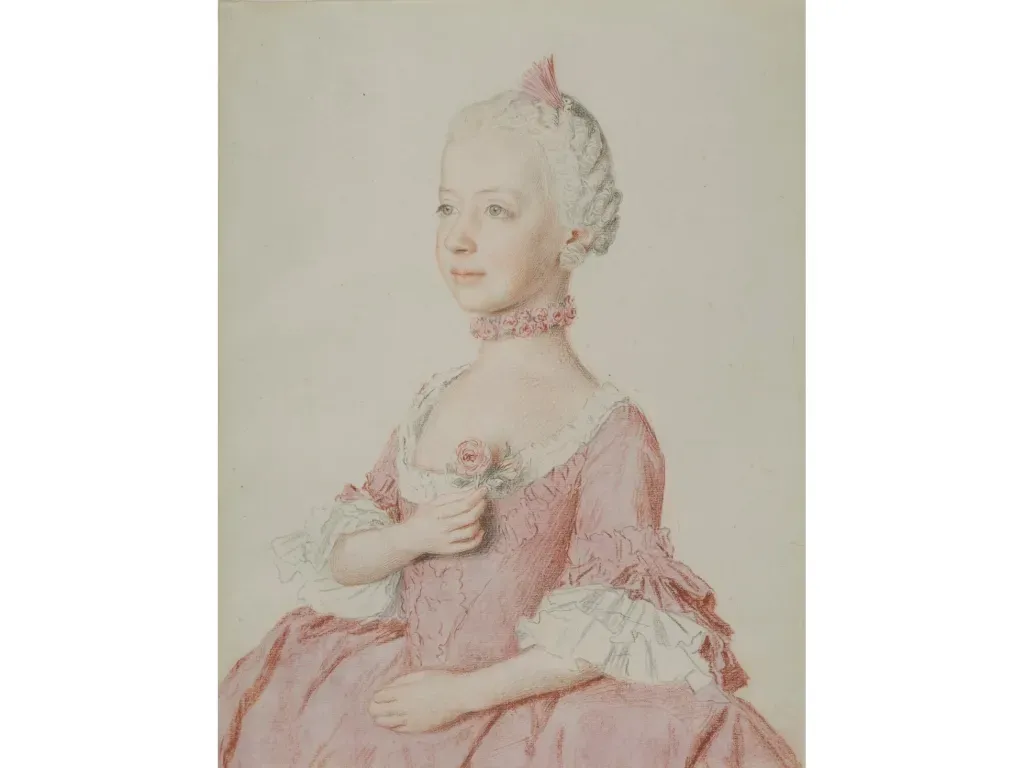
Twenty years ago, when Catriona Seth was preparing to publish a book about Marie-Antoinette, she chose a beloved childhood portrait of the storied French queen by the 18th-century artist Jean-Étienne Liotard as the book’s cover illustration. Only years later, while researching the early life of this infamously decapitated royal, did she realize something wasn’t quite right. The young lady depicted in that chalk drawing has the chivalric medal of the Order of the Starry Cross pinned to her ruffled pink dress; Marie-Antoinette too received that medal but hadn’t yet in 1762 when Liotard (1702–1789) was in Vienna producing a series of portraits of the many children of Empress Maria Theresa of Austria.
As it turned out, the portrait that Seth used to illustrate the cover of her book wasn’t of Marie-Antoinette at all, as had long been believed, but rather of her sister Marie-Caroline.
This article is an excerpt. To read the full content, visit the original source. ARTnews
Related articles
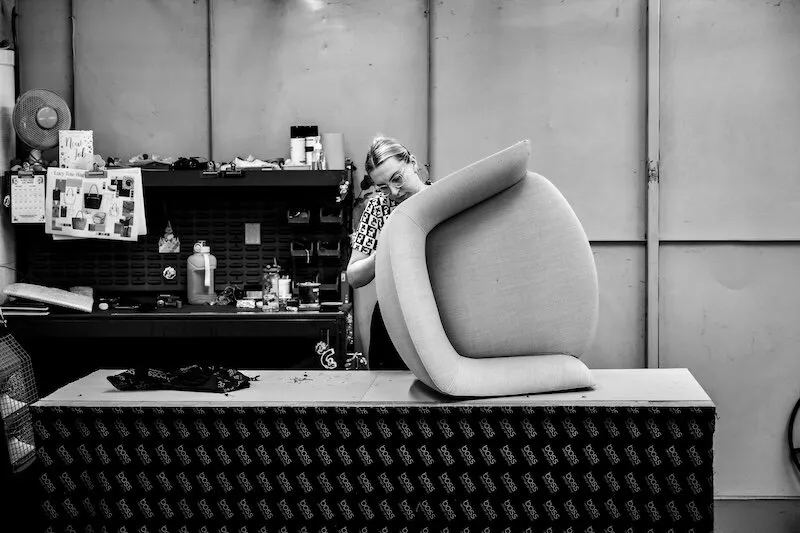
boss design turns outdated furniture into timeless pieces with circular initiative
the british furniture brand gives old pieces a new lease of life through a circular initiative and a chair built to last. belen afonso October 21, 2026 4 min prefer designboom on googleBoss Design’s The Loop revives discarded furnitureWhen planning a space, Boss Design knows that an interior design studio considers more than its architectural characteristics. The furniture used to populate that room is as much a part of the design as the walls surrounding it. Yet we often encounter the dilemma of interior designs that systematically discard existing pieces to create a space better suited to current needs. Whether due to natural wear from use or changes in furniture trends or personal tastes, hundreds of recoverable pieces are discarded every year in favor of new furniture. This behavior generates a carbon footprint that is both significant and avoidable.renewing the upholstery all images courtesy of Boss DesignBoss chooses most effective way to protect environmentToday’s society expresses its interest in protecting the planet through the way it consumes.
The Art World Has an AI Problem
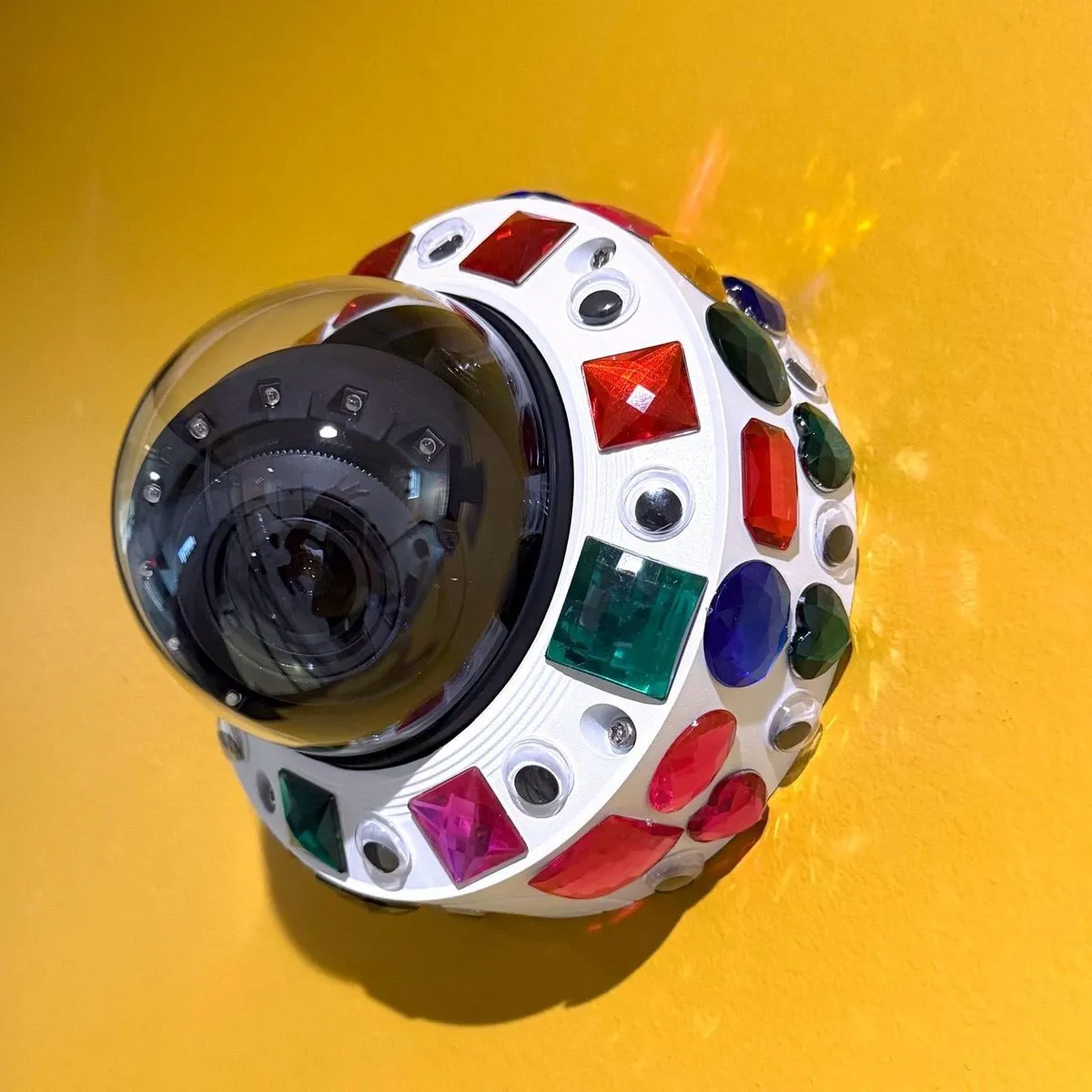
A diatribe against AI-generated art writing, MIT professors bedazzle security cameras, and Art Basel Paris goes into lockdown. It’s not just a problem. It’s a travesty. AI in art writing, I mean — and if those words made you instinctively cringe, then you get it, because that “It’s not X, it’s Y” sentence construction is just one of the many hallmarks of artificially generated writing. Speaking as an editor, come on. We can tell. And we will judge, and let you know exactly how we feel about it. We might even write a diatribe against it, as Senior Editor Valentina Di Liscia does today in a piece that is incisive, understanding, and original — a chatbot could never. An opinion piece is one way to rail against the corporate-technological surveillance complex. Bedazzling security cameras is another, perhaps less orthodox, method. That’s right: Tenured professors at MIT are gluing googly eyes and rhinestones onto the university’s cameras, Staff Writer Anna Lee reports today, to protest its investment in Big Brother. Sigh.
How Gershon Iskowitz Forged His Own Path to Abstraction
In Toronto, Caviar20 follow Iskowitz’s transformation from figurative painter processing Holocaust trauma to pioneer of Canadian abstraction in new career-spanning retrospective.
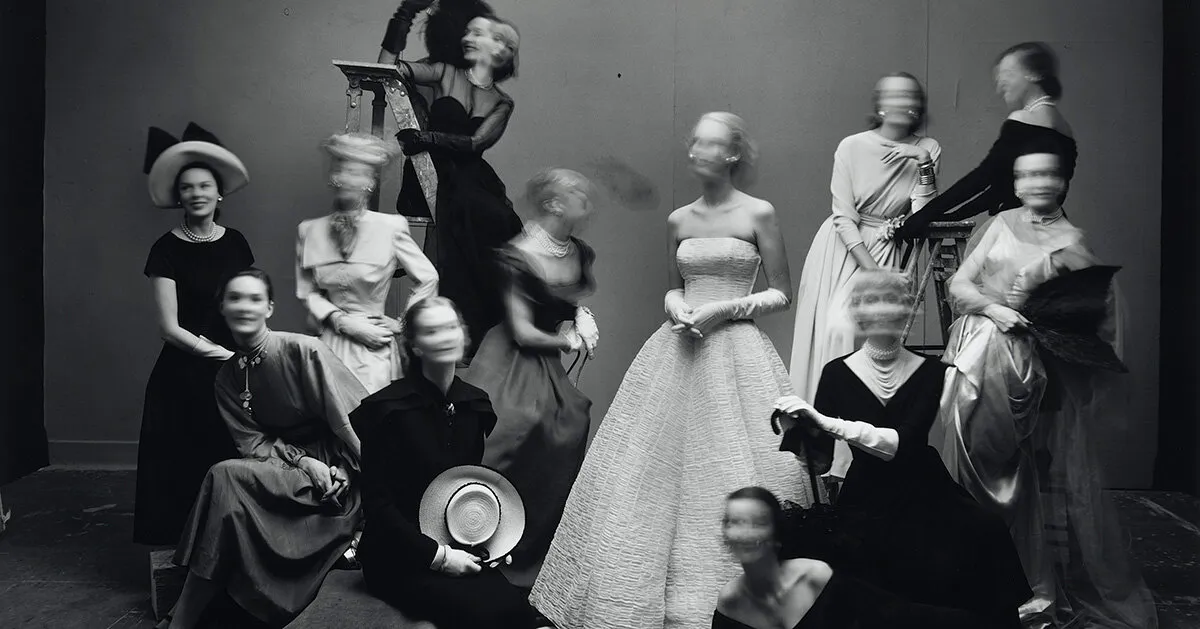
six decades of irving penn’s fashion photography are now on view in paris
the american photographer transformed editorial assignments into an exploration of silhouette, texture, and the relationship between the body and the image. thomai tsimpou October 21, 2026 7 min prefer designboom on googleIRVING PENN’S FASHION PHOTOGRAPHY AT THE MEPThe Maison Européenne de la Photographie (MEP) in Paris presents PENN & FASHION, a retrospective of American photographer Irving Penn, tracing six decades of his work for Vogue from September 30th, 2026, to January 17th, 2027. Bringing together photographs from the MEP, the Nicola Erni Collection, and The Irving Penn Foundation, the exhibition examines how Penn moved beyond the demands of fashion publishing to develop a distinct photographic language, in which he reduced his compositions to their essentials, allowing garments and the people wearing them to become the focus. Penn’s approach took shape at a moment when fashion photography was helping shape the visual culture of the postwar period. After joining Vogue in 1943 at the invitation of art director Alexander Liberman, he initially produced still lifes and cover concepts before establishing himself as one of the leading photographers of the magazine.
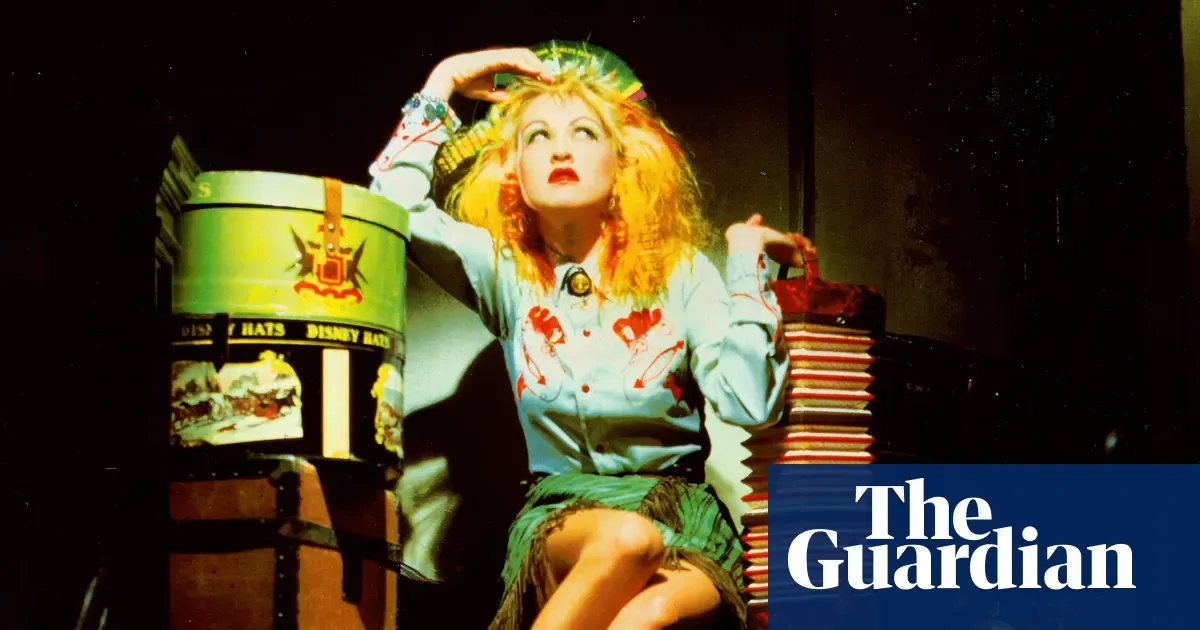
Cyndi Lauper on fun, fashion and freedom of expression: ‘We have braces on our brains’
Before Cyndi Lauper rose to fame as one of the most singular pop breakouts of the 1980s, she was queen of the cash register at the edgy Manhattan boutique Screaming Mimi’s. The vintage emporium is still a downtown staple, but a little of its spirit comes uptown this month with Cyndi Lauper: A Suitcase of Memories, a two-part auction of her fashion and personal items at the New York auction house Bonhams. On a recent Thursday morning in New York, the singer is sporting seafoam green hair and is in good spirits as she leads a private tour of the collection. It is an Aladdin’s cave of outfits from her five-decade career, with clashing prints, jutting tutus and statement headwear in every color you can imagine. As she strides around in her platform creepers, she gives a few final notes to the Bonhams team. Is that rainbow fan at the right angle? And can we confirm that more mirror balls are on their way? “Over there is my grandmother’s pyjamas,” she says, walking over to a mannequin that displays the leopard print sleepwear Lauper wore in the Girls Just Want to Have Fun video. The ensemble was originally purchased from her family’s favorite mail order catalog.

The Mystery of What Befell in the Ditch by Thure Erik Lund review – is this the greatest living Norwegian writer?
T-O-M. The initials of Tomas Olsen Myrbråten, the narrator in Thure Erik Lund’s The Mystery of What Befell in the Ditch, spell out the Norwegian word for “empty”. Approaching 38, he’s already a relic. He spends his days slumped at the kitchen table or staring out of the window, convinced that the ceiling is about to fall and crush him. He sobs about the state he’s in and the state of society around him. Of one thing he’s sure: “It is no longer me who cries, but the world, the world crying, in me.” Nordic weltschmerz: you’d have to be a saint not to giggle. Lund has been described by Karl Ove Knausgård as the “greatest Norwegian contemporary writer”; this novel, originally published in 1999, is his first to be translated into English. In it, Tomas describes himself, over and over and over again, as a “life-of-the-mind individual”.
0 comments
No comments yet. Be the first to share your thoughts!