Butyrate extends health and lifespan in mice with mitochondrial deficiency - Nature
This story deserves to be shared
Send it to someone who'd care, or post it on your networks.
This article is an excerpt. To read the full content, visit the original source. Nature
Related articles
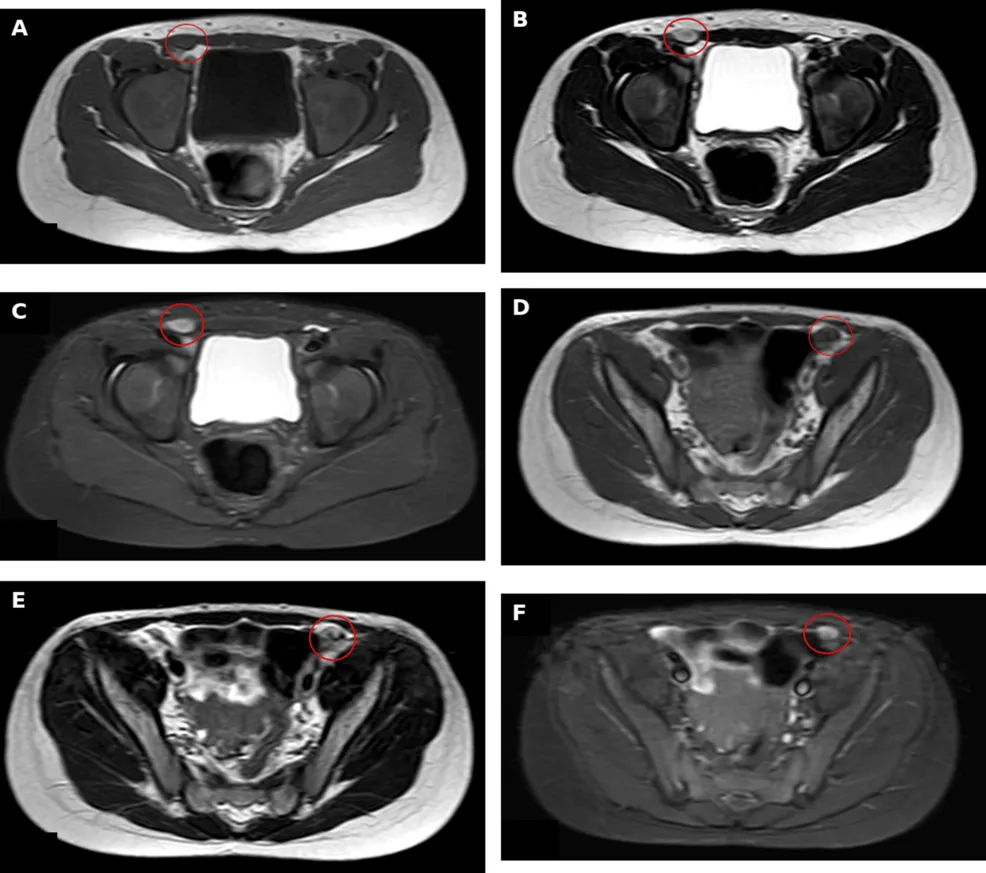
Lipoid Congenital Adrenal Hyperplasia Due to Steroidogenic Acute Regulatory Protein (StAR) Deficiency in a 46,XY Child With a Female Phenotype: A Case Report - Cureus
Primary adrenal insufficiency in childhood is frequently associated with inherited disorders. Lipoid congenital adrenal hyperplasia due to steroidogenic acute regulatory protein (StAR) deficiency is a rare disorder characterized by impaired mitochondrial cholesterol transfer and deficient adrenal and gonadal steroidogenesis. We report a five-year-old child raised as a girl who had been diagnosed with primary adrenal insufficiency at three months of age and was receiving hydrocortisone and fludrocortisone. Physical examination showed female-appearing external genitalia without virilization and Tanner stage I development. Biochemical evaluation demonstrated markedly elevated adrenocorticotropic hormone with profoundly low morning cortisol and globally reduced steroidogenesis, including low 17-hydroxyprogesterone, androstenedione, dehydroepiandrosterone sulfate, and free testosterone. Karyotyping revealed 46,XY. Anti-Müllerian hormone and inhibin B concentrations were compatible with preserved Sertoli cell secretory activity and supported the presence of testicular tissue despite severely impaired androgen production. A contrast-enhanced abdominal and pelvic magnetic resonance imaging
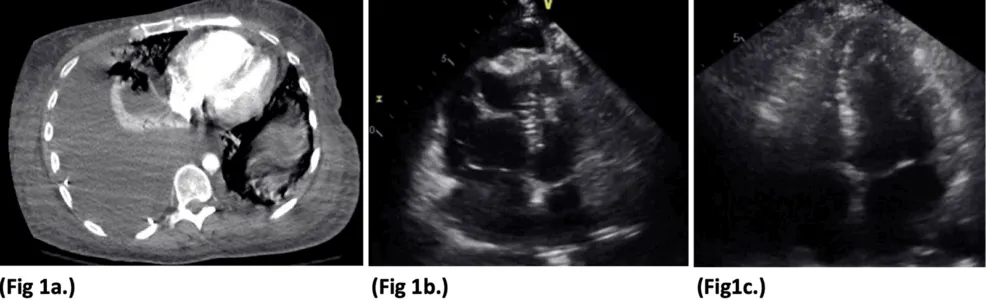
Severe Right Ventricular Dilation Due to Selenium Deficiency in a Patient After Gastric Bypass - Cureus
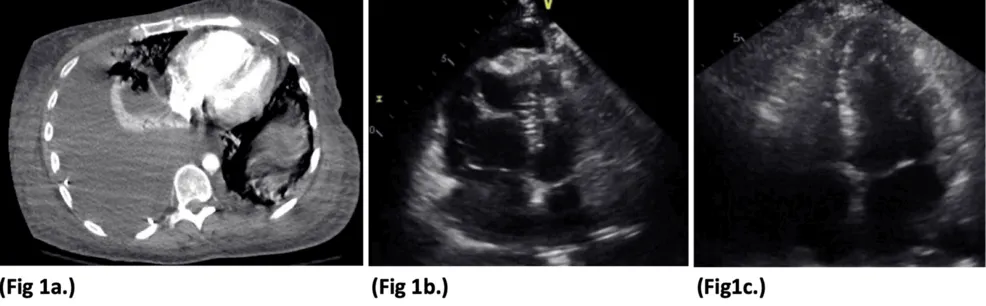
Selenium deficiency is a rare but reversible cause of cardiomyopathy increasingly recognized as a late nutritional complication of bariatric surgery, yet it is not consistently included in routine postoperative surveillance. This report describes a 40-year-old woman who presented three years after Roux-en-Y gastric bypass (RYGB) with progressive dyspnea, weakness, lower extremity edema, and dizziness in the setting of nonadherence to postoperative nutritional supplementation. She was hypotensive and bradycardic with jugular venous distension, elevated B-type natriuretic peptide (BNP), and chest imaging showing cardiomegaly with a right-sided pleural effusion. Echocardiography revealed severe, isolated right ventricular and atrial dilation with reduced right-sided systolic function, and further evaluation identified a markedly low serum selenium level (25 µg/L) with normal thyroid function and other trace elements. She was treated with intravenous selenium repletion (150 µg/day) alongside inotropic and diuretic support, with rapid hemodynamic improvement and complete resolution of right ventricular and atrial dilation on repeat echocardiography within one week. This case illustrates
Severe Right Ventricular Dilation Due to Selenium Deficiency in a Patient After Gastric Bypass - Cureus
Selenium deficiency is a rare but reversible cause of cardiomyopathy increasingly recognized as a late nutritional complication of bariatric surgery, yet it is not consistently included in routine postoperative surveillance. This report describes a 40-year-old woman who presented three years after Roux-en-Y gastric bypass (RYGB) with progressive dyspnea, weakness, lower extremity edema, and dizziness in the setting of nonadherence to postoperative nutritional supplementation. She was hypotensive and bradycardic with jugular venous distension, elevated B-type natriuretic peptide (BNP), and chest imaging showing cardiomegaly with a right-sided pleural effusion. Echocardiography revealed severe, isolated right ventricular and atrial dilation with reduced right-sided systolic function, and further evaluation identified a markedly low serum selenium level (25 µg/L) with normal thyroid function and other trace elements. She was treated with intravenous selenium repletion (150 µg/day) alongside inotropic and diuretic support, with rapid hemodynamic improvement and complete resolution of right ventricular and atrial dilation on repeat echocardiography within one week. This case illustrates

Managing Knee Osteoarthritis Across the Lifespan - EMJ
LIFELONG physical activity and targeted strength training preserve joint integrity while reducing overall knee osteoarthritis risk. In young adults between 20 and 30 years of age, articular cartilage maintains peak resilience through dynamic cyclic loading. Walking for 10 minutes stimulates interstitial fluid pressurization and nutrient influx, restoring compressed tissue thickness three times faster than supine rest. However, clinicians must actively counsel young athletes on acute injury prevention. Anterior cruciate ligament ruptures peak before age 25, predisposing nearly half of affected patients to posttraumatic joint degeneration within ten years. Diagnostic vigilance must also account for normal baseline variance. A systematic review of imaging of asymptomatic knees in adults under 40 reveals cartilage defects in 11% and meniscal tears in 4%, demonstrating that incidental structural irregularities do not necessarily warrant clinical alarm.
0 comments
No comments yet. Be the first to share your thoughts!