Brown: In Minnesota’s largest House district, rural populism is tested by fire
This story deserves to be shared
Send it to someone who'd care, or post it on your networks.
The Nov. 3 election will say much about rural Minnesotans’ tolerance for deteriorating economic conditions ― and who they hold responsible.
This article is an excerpt. To read the full content, visit the original source. Star Tribune
Related articles
‘Pitchfork Populism’ Over Data Centers Rattles Ohio’s U.S. Senate Race - Inside Climate News
SUNBURY, Ohio—A proposal for a large data center has upended politics in this Republican-leaning suburb of Columbus. That could spell trouble for U.S. Sen. Jon Husted, a longtime fixture in state Republican politics who was appointed to his seat in 2025 after former Sen. J.D. Vance became vice president. Husted is running against Sherrod Brown, […]

Call of the Wilde: San Jose Sharks comeback to beat the Montreal Canadiens in overtime
With only one regulation win in their first eight games, it’s been a difficult journey for the Montreal Canadiens so far this season. The record is good, thanks to overtime wins, but the overall tenor of the season so far hasn’t been what was hoped for. The San Jose Sharks visit was a chance to improve on that, especially for Jakub Dobes who has surprisingly struggled in the net. However, it was the same script that has played out all season long: Montreal gets out to the big lead, but can’t hold on to win it easily. It was yet another overtime game with the San Jose Sharks winning 4-3. Wilde Horses The head coaches decided to match strength against strength. Hockey lovers were the winners. It was Macklin Celebrini’s line against Nick Suzuki’s line; the defending Selke winner against a future winner for sure. Story continues below advertisement
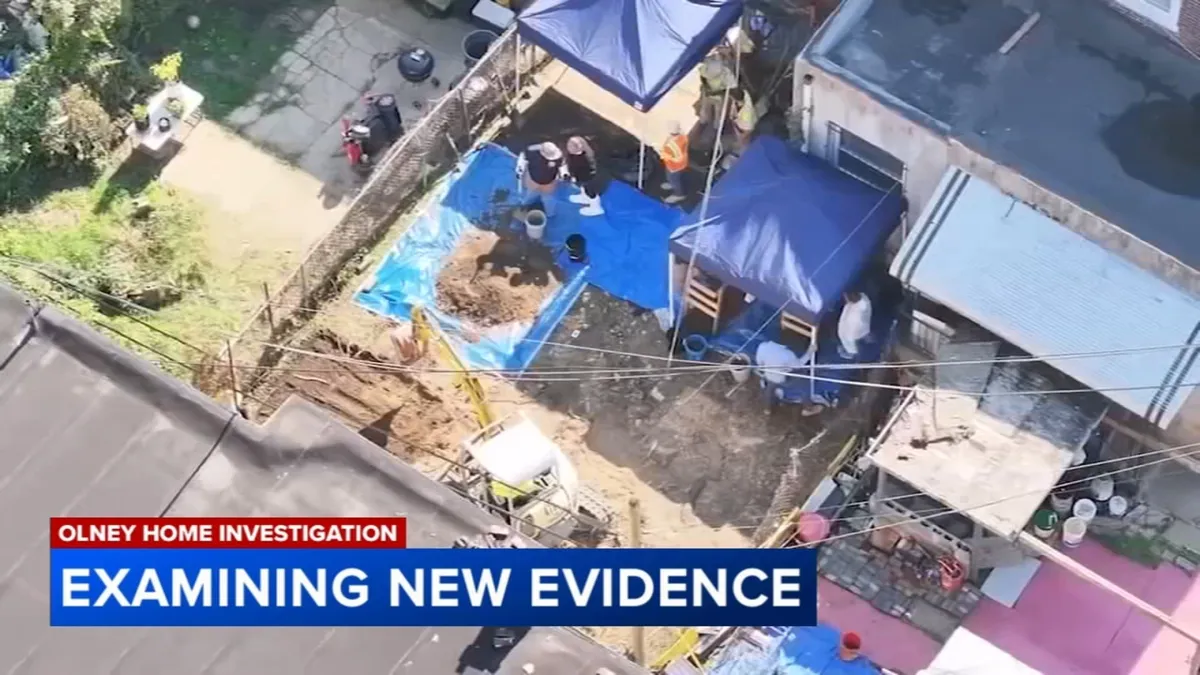
New findings emerge in Philadelphia home investigation linked to missing and unidentified women; bones found were from animal
PHILADELPHIA -- Investigators searching a property in Philadelphia's Olney neighborhood have determined that bones found last week were animal bones, according to sources. Sources also said that adipocere, a wax-like substance that can form during decomposition, was discovered during the ongoing excavation of the property. "Adipocere is a tissue which can be used to identify a person," said Fabio Oldoni, an associate professor, program director and forensic geneticist at Arcadia University. Oldoni noted that if DNA is significantly degraded, recovering usable genetic evidence can become difficult. Experts noted that adipocere is not unique to human decomposition and can also be found in animals, meaning additional testing will be necessary. READ MORE | Timeline of investigation into missing women connected to Horsch Philly houseOldoni said investigators will need to rely on multiple forms of evidence as the investigation continues. The search has focused on the home of the late Raymond "R. C. " Horsch and his son, Eugene. Last week, Philadelphia police and the FBI used luminol at the property, a chemical that can reveal traces of blood not visible to the naked eye.
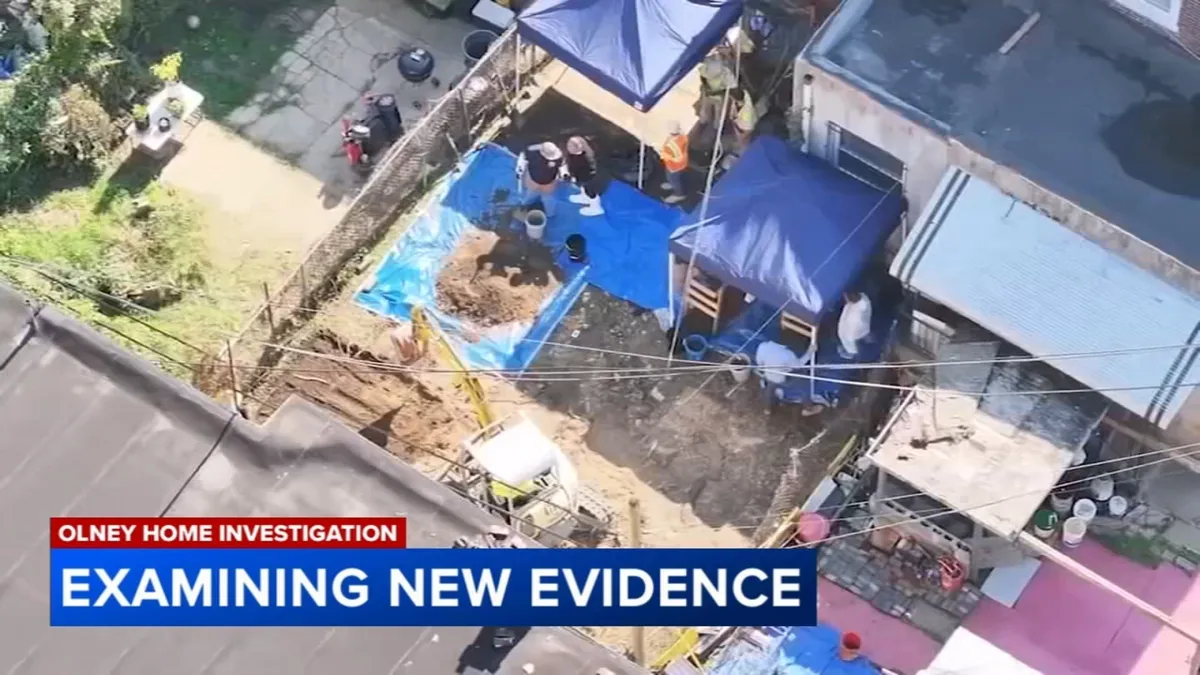
New findings emerge in Philadelphia home investigation linked to missing and unidentified women; bones found were from animal
PHILADELPHIA -- Investigators searching a property in Philadelphia's Olney neighborhood have determined that bones found last week were animal bones, according to sources. Sources also said that adipocere, a wax-like substance that can form during decomposition, was discovered during the ongoing excavation of the property. "Adipocere is a tissue which can be used to identify a person," said Fabio Oldoni, an associate professor, program director and forensic geneticist at Arcadia University. Oldoni noted that if DNA is significantly degraded, recovering usable genetic evidence can become difficult. Experts noted that adipocere is not unique to human decomposition and can also be found in animals, meaning additional testing will be necessary. READ MORE | Timeline of investigation into missing women connected to Horsch Philly houseOldoni said investigators will need to rely on multiple forms of evidence as the investigation continues. The search has focused on the home of the late Raymond "R. C. " Horsch and his son, Eugene. Last week, Philadelphia police and the FBI used luminol at the property, a chemical that can reveal traces of blood not visible to the naked eye.
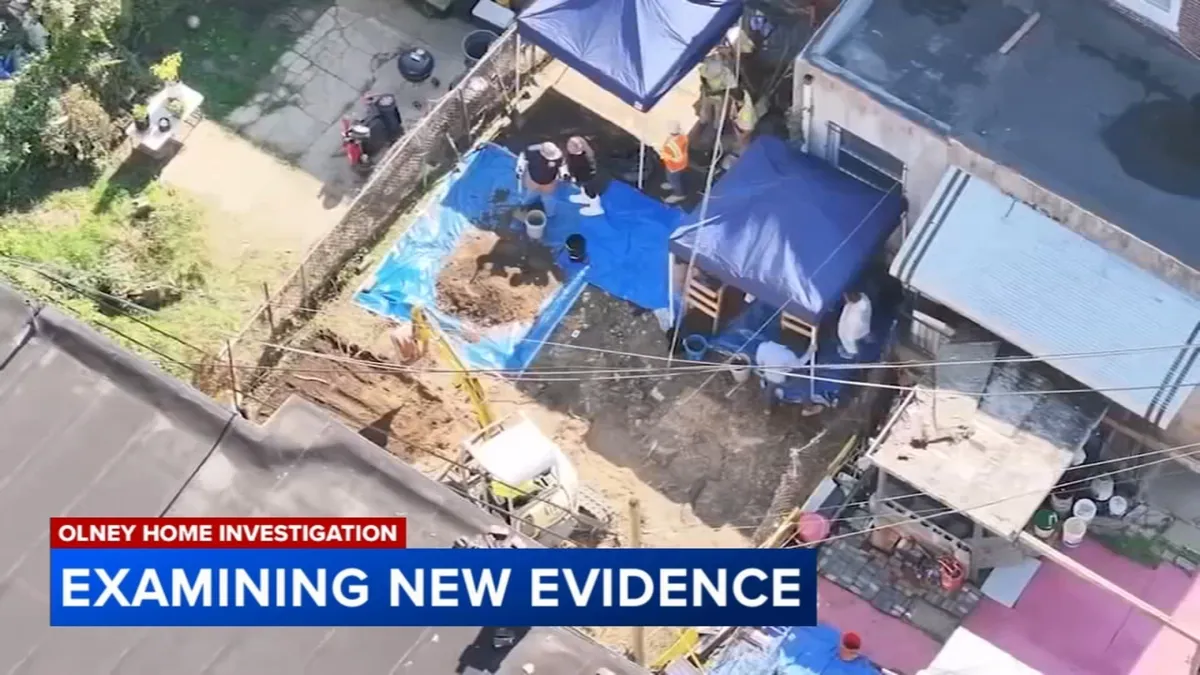
New findings emerge in Philadelphia home investigation linked to missing and unidentified women; bones found were from animal
PHILADELPHIA -- Investigators searching a property in Philadelphia's Olney neighborhood have determined that bones found last week were animal bones, according to sources. Sources also said that adipocere, a wax-like substance that can form during decomposition, was discovered during the ongoing excavation of the property. "Adipocere is a tissue which can be used to identify a person," said Fabio Oldoni, an associate professor, program director and forensic geneticist at Arcadia University. Oldoni noted that if DNA is significantly degraded, recovering usable genetic evidence can become difficult. Experts noted that adipocere is not unique to human decomposition and can also be found in animals, meaning additional testing will be necessary. READ MORE | Timeline of investigation into missing women connected to Horsch Philly houseOldoni said investigators will need to rely on multiple forms of evidence as the investigation continues. The search has focused on the home of the late Raymond "R. C. " Horsch and his son, Eugene. Last week, Philadelphia police and the FBI used luminol at the property, a chemical that can reveal traces of blood not visible to the naked eye.
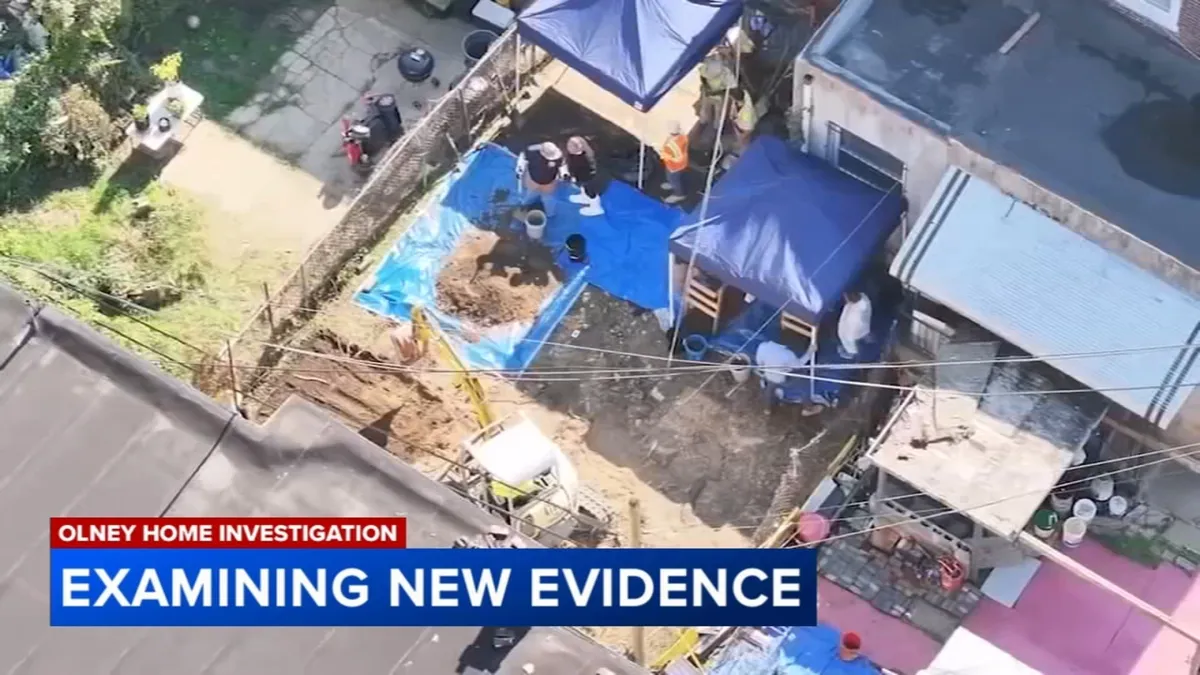
New findings emerge in Philadelphia home investigation linked to missing and unidentified women; bones found were from animal
PHILADELPHIA -- Investigators searching a property in Philadelphia's Olney neighborhood have determined that bones found last week were animal bones, according to sources. Sources also said that adipocere, a wax-like substance that can form during decomposition, was discovered during the ongoing excavation of the property. "Adipocere is a tissue which can be used to identify a person," said Fabio Oldoni, an associate professor, program director and forensic geneticist at Arcadia University. Oldoni noted that if DNA is significantly degraded, recovering usable genetic evidence can become difficult. Experts noted that adipocere is not unique to human decomposition and can also be found in animals, meaning additional testing will be necessary. READ MORE | Timeline of investigation into missing women connected to Horsch Philly houseOldoni said investigators will need to rely on multiple forms of evidence as the investigation continues. The search has focused on the home of the late Raymond "R. C. " Horsch and his son, Eugene. Last week, Philadelphia police and the FBI used luminol at the property, a chemical that can reveal traces of blood not visible to the naked eye.
0 comments
No comments yet. Be the first to share your thoughts!