Breast Reconstruction Awareness day event hosted by local clinic - Campbell River Mirror
This story deserves to be shared
Send it to someone who'd care, or post it on your networks.
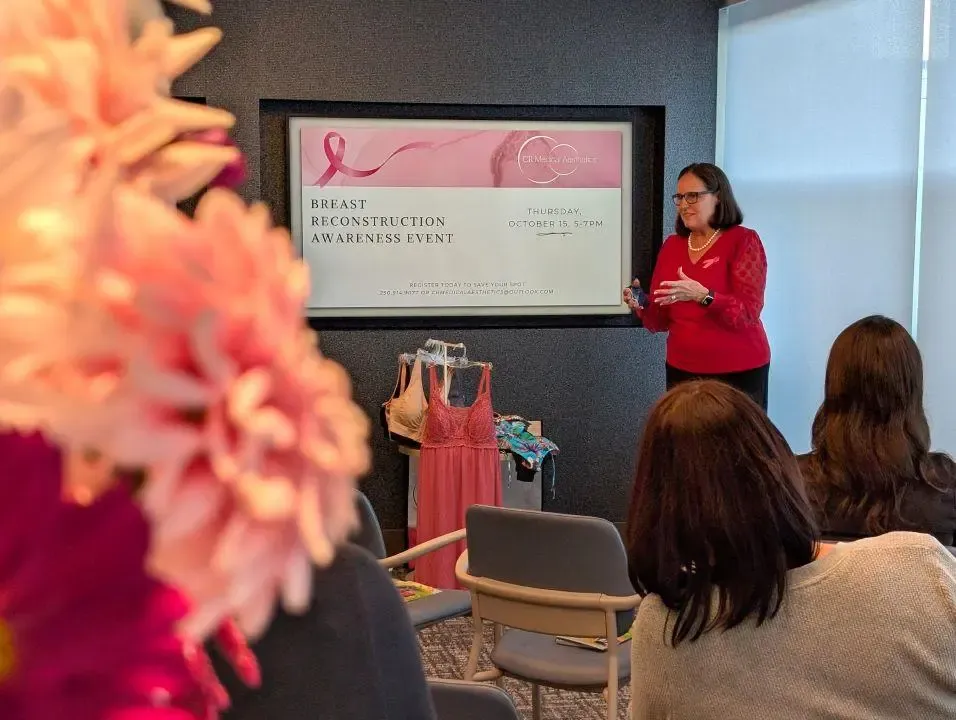
A free information night at CR Plastic Surgery & Medical Aesthetics offered women facing breast cancer a message of reassurance: the disease is frightening, but it is largely survivable and knowing how the system works can ease the fear.
The Oct. 15 evening followed the model of Breast Reconstruction Awareness (BRA) Day, which Toronto plastic surgeon Dr. Mitchell Brown launched in 2011 at Women’s College and Toronto General hospitals. Its purpose is to educate, empower and connect women considering reconstruction after a mastectomy. The idea has grown into an international movement, with events across Canada and in more than 30 countries.
This article is an excerpt. To read the full content, visit the original source. Campbell River Mirror
Related articles

Alberta’s flu cases off to an early start while vaccinations lag behind - CTV News
AtlanticNova ScotiaNew BrunswickPrince Edward Island Newfoundland and LabradorCalgaryLethbridgeKitchenerGuelphNorthern OntarioSudburyNorth BaySault Ste. MarieTimminsOttawaKingstonBrockvillePembrokeReginaYorktonSaskatoonPrince AlbertTorontoWatchWeatherPeelHamiltonDurhamYorkHaltonNiagaraQueen's ParkToronto City HallIn PicturesVancouverVancouver IslandCanadaLocal SpotlightRoyal FamilyPoliticsNanosPower PlayQuestion PeriodFederal Election 2025WorldMideast ConflictRussia-Ukraine WarWatchLatestCaptured on CameraPoliticsLifestyleConsumerHealthExplainedEntertainmentTechnologyDeception DecodedAutosEnvironmentBusinessInflationReal EstateAutos
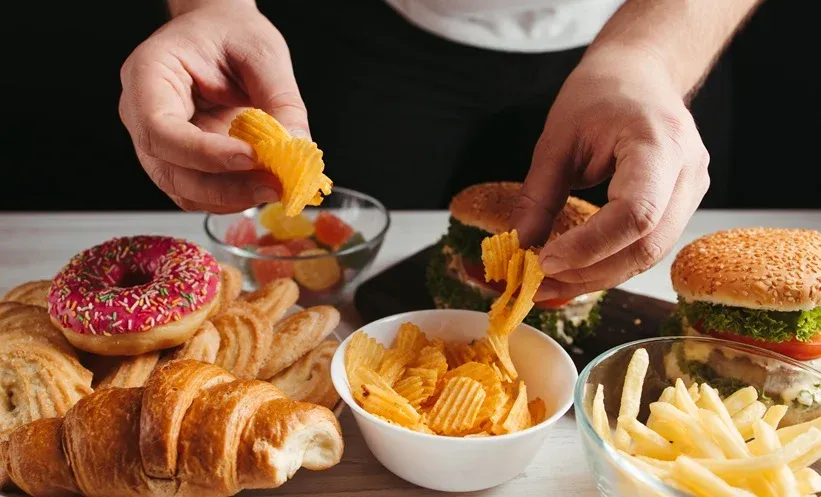
Ultraprocessed Food Linked to Vascular Brain Injury in Midlife - European Medical Journal
Higher ultraprocessed food (UPF) intake has been linked to greater adiposity and higher odds of vascular brain injury (VBI) in middle-aged adults in Canada, although it has not been associated with cognitive performance, according to a new cross-sectional study. Ultraprocessed foods, defined by the NOVA classification, account for a substantial and increasing proportion of dietary intake in Canada. Although UPFs have been consistently associated with adiposity and cardiometabolic disease, their associations with subclinical VBI and cognitive performance in midlife have been unclear.
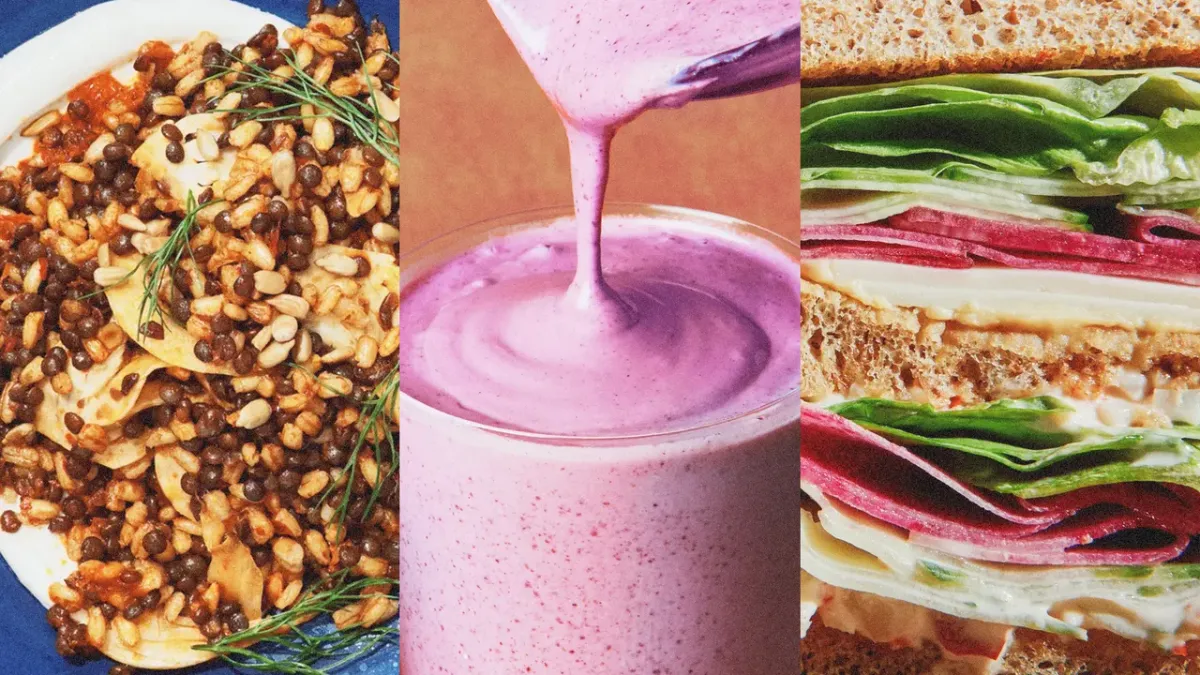
As a Food Editor, ‘Food Is Fuel’ Never Resonated. Here’s What Changed My Mind - Bon Appétit: Recipes, Cooking, Entertaining, Restaurants | Bon Appétit
Editor’s note: The following story references disordered eating. “Food is fuel.” I’ve heard the cliché my entire life, and it never resonated. Food has always represented much more to me: a reason to gather, a way to celebrate holidays, a source of nostalgia and novelty. To see food as proverbial gas in the tank seemed clinical. But food has also been a source of deep personal anxiety, and in moments, downright pain. For many years, I was obsessive and compulsive with my eating behavior. A binge-and-restrict cycle became my norm, with food acting as the currency for doling out punishment and rewards. As I worked with a therapist and mended my relationship with food, I started seeing it as nourishment for my spirit. This was actually fairly easy—I’ve always loved to eat. But it was finding the resolve to intentionally fuel my body, especially as I’ve established a deeper practice of strength training and running, that remained a struggle. So used to underfueling, I assumed everyone was so tired after a jog or lift that they also literally fell asleep an hour later. Not the case!
0 comments
No comments yet. Be the first to share your thoughts!