Birds avoid wind turbines painted like venomous snakes - Popular Science
This story deserves to be shared
Send it to someone who'd care, or post it on your networks.
This article is an excerpt. To read the full content, visit the original source. Popular Science
Related articles
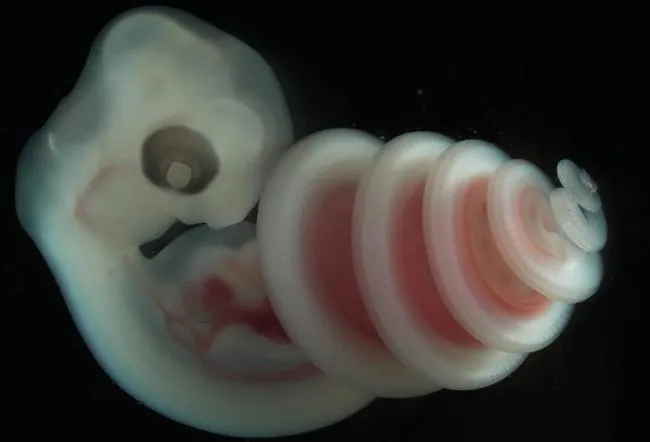
Snakes in an egg all coil in the same direction. Scientists think they’ve learned why. - The University of British Columbia
A new study suggests this twist arises from how the rapidly growing spine develops around the gut, offering fresh insight into one of nature’s most unusual body plans. Long before they slither into your nightmares, baby snakes perform a curious feat: early in the egg, they begin to coil, forming a tight spiral that is almost always clockwise. Researchers led by Dr. Tetsuto Miyashita of the Canadian Museum of Nature discovered the directional phenomenon after examining images of more than 800 embryos. To find out why, they utilized a CT scanner and made an interesting observation: a detached pillar of gut stretching through the spiral of the coiling embryo’s body. Twist and sproutTurns out, snake embryos likely coil due to a developmental mismatch. The snake’s spine grows so quickly its gut can’t keep up. The rapidly lengthening body effectively buckles around that shorter digestive tract, forcing the embryo into a tight spiral. Because the yolk sits on the embryo’s left side, the growing snake almost always coils away from it, producing a clockwise twist, the authors say.
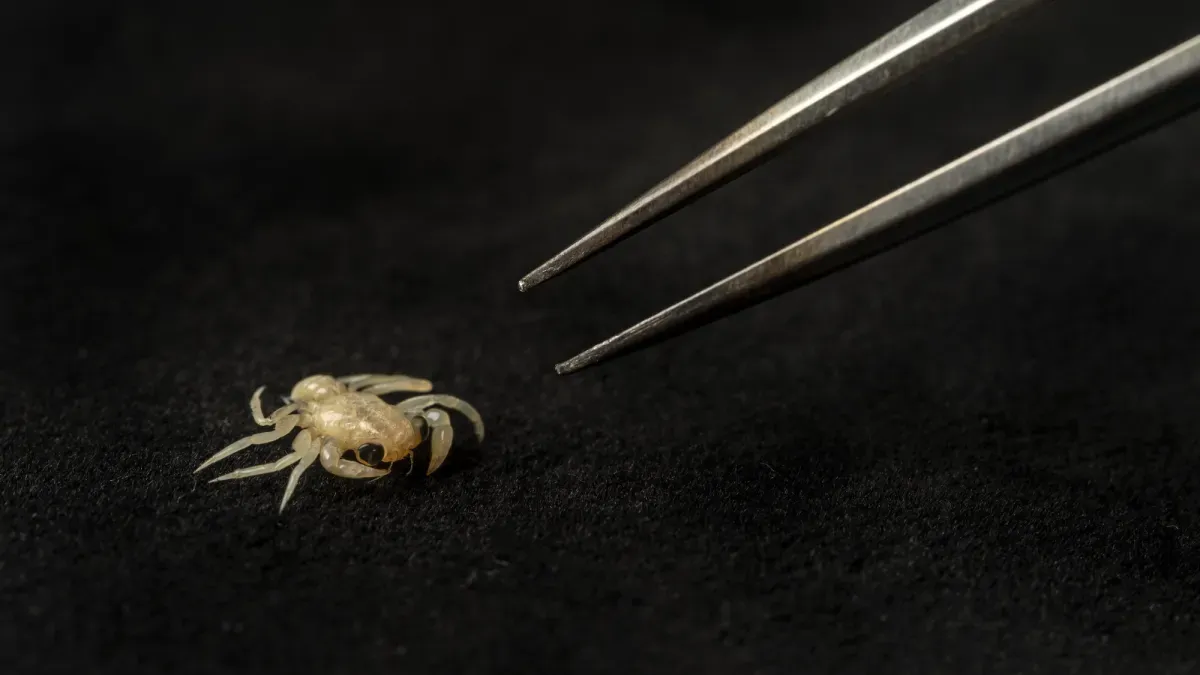
Tiny crabs discovered hitching rides on sea snakes - Popular Science
The specimens were technically megalopae, which is the life stage between larvae and adulthood. Many organisms often set up their homes on sea turtles. Known as epibionts, the most noticeable passengers are usually the algae and barnacles clinging to the marine reptile’s protective shell. Other epibionts include tiny crabs in the Planes genus who frequently hitch rides inside the crevices between a turtle’s shell and body.
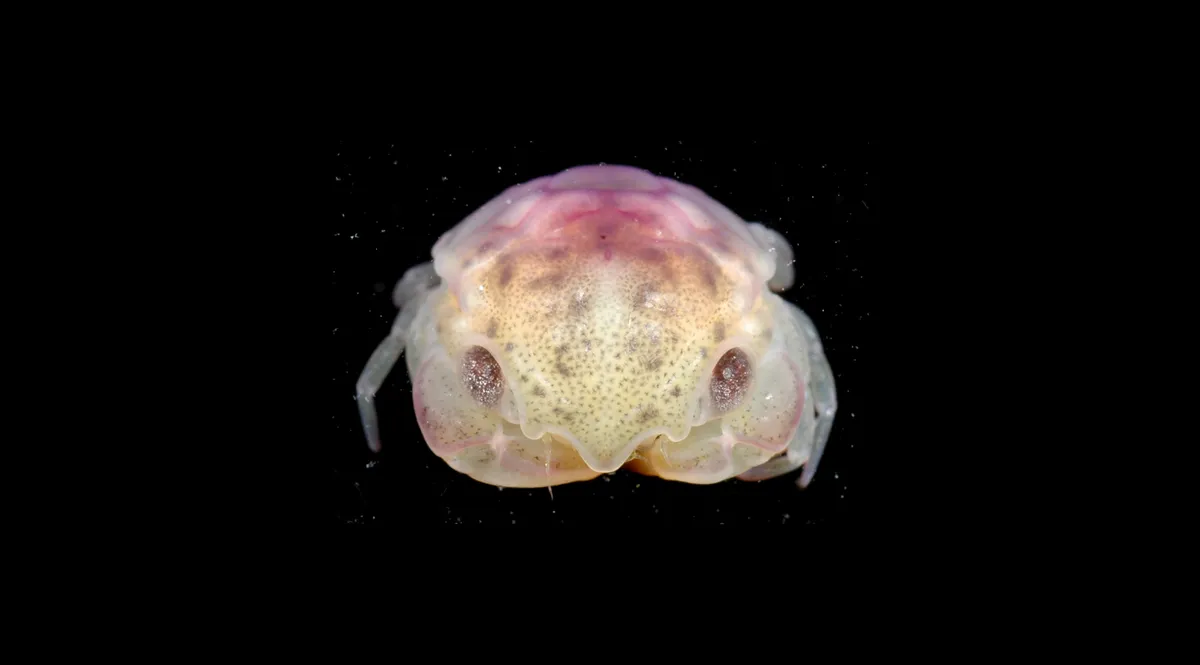
Planes on a snake? Scientists discover crabs hitching a ride on sea snakes - Florida Museum of Natural History
In 2012, scientists working off the Pacific Coast of Costa Rica found dozens of sea snakes with crabs and other marine animals living on them. It was the first time any motile animal had been documented living on sea snakes. The crabs were thought to be oceanic rafting crabs in the genus Planes, which are known associates of sea turtles, but they could not be confidently identified at the time. The crabs were preserved and curated at the Florida Museum of Natural History for future study.
0 comments
No comments yet. Be the first to share your thoughts!