Beneath our feet lies a fungal superhighway stretching 68 quadrillion miles - Science Daily
This story deserves to be shared
Send it to someone who'd care, or post it on your networks.
This article is an excerpt. To read the full content, visit the original source. Science Daily
Related articles
Scientists stunned by massive brown ribbon stretching across Atlantic from Africa - Futura, le média qui explore le monde
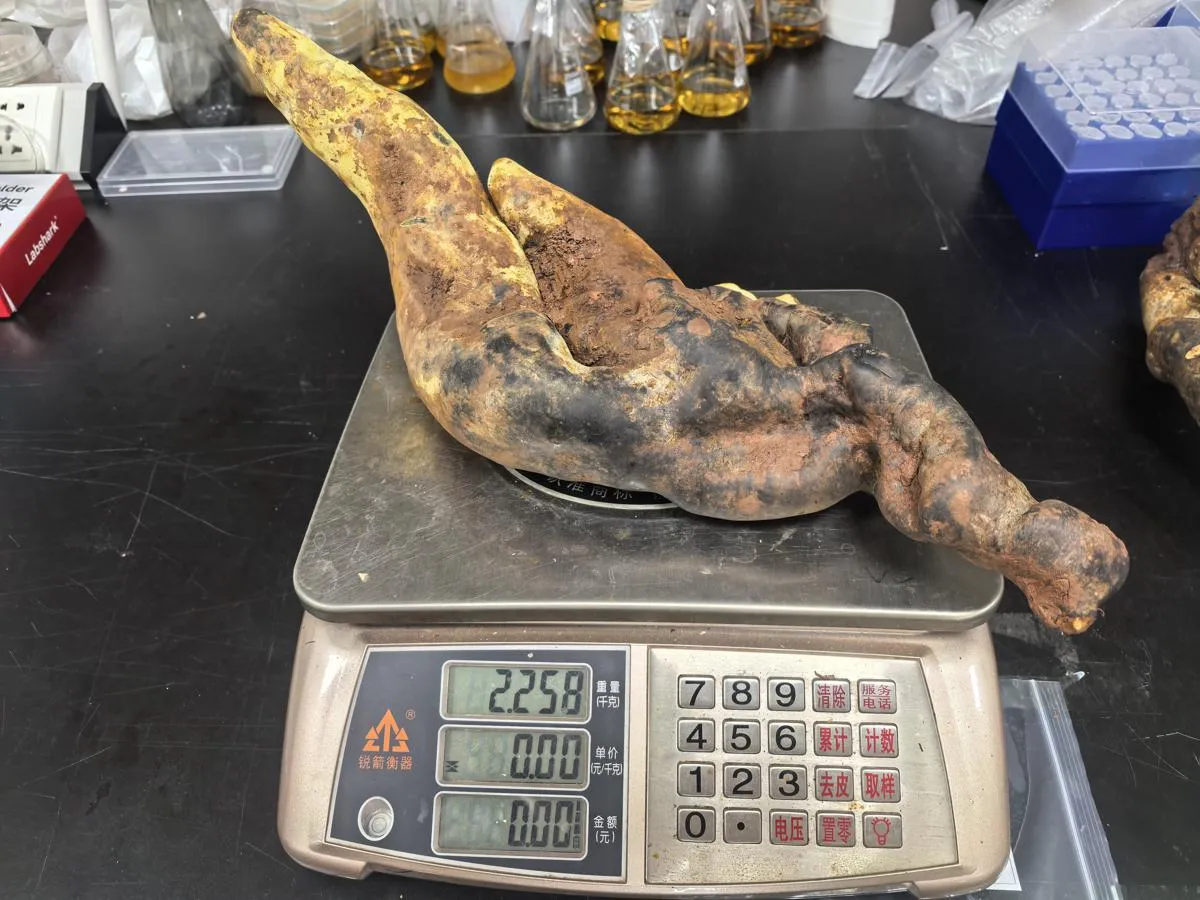
Giant fungus discovered in Yunnan reveals new fungal family_InKunming - 昆明信息港
Dianjunus rex can weigh more than 2 kilograms. [Photo/Kunming Institute of Botany under the Chinese Academy of Sciences]Chinese scientists have discovered a previously unknown giant fungus in Yunnan province that constitutes a new fungal family after finding specimens that can grow up to 50 centimeters tall and weigh more than 2 kilograms. Dianjunus rex was identified by a research team led by Yu Fuqiang of the Kunming Institute of Botany under the Chinese Academy of Sciences, together with collaborators. Their findings were recently published in the journal Frontiers in Fungal Biology. The research established an entirely new fungal family, Dianjunaceae, highlighting how much remains unknown about fungal diversity even in a region renowned for its rich plant and animal life, according to the team. Dianjunus rex growing in a forest. [Photo/Kunming Institute of Botany under the Chinese Academy of Sciences]Researchers collected specimens from tropical and subtropical forests in Yunnan between August 2024 and July 2025. The fungi were found growing from the roots of recently dead trees and surrounding soil.
Catching a fungal enzyme open for business - Duke School of Medicine
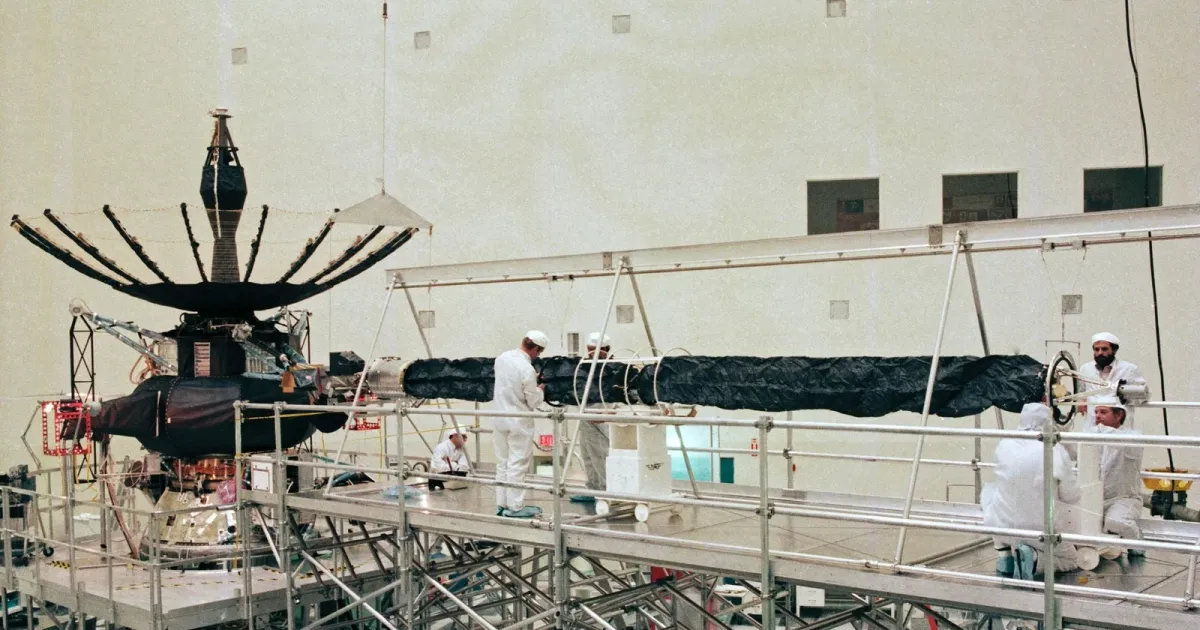
Galileo’s main antenna jammed on its way to Jupiter, leaving a small antenna that could manage about 10 bits per second instead of 134,400, so NASA rewrote its software and rebuilt how Earth listened - Make Tech Easier
In April 1991, NASA’s Galileo spacecraft was a year and a half into its journey to Jupiter when it ran the commands to open its main antenna. Minutes later, telemetry showed that the motors had stalled. The 4.8-meter, umbrella-shaped dish had only partly unfolded, and it never fully deployed. Without that antenna, Galileo’s best remaining link to Earth was a small low-gain antenna that could carry only a tiny fraction of the planned data. What followed was one of the more inventive rescues in spaceflight: engineers rewrote the spacecraft’s software to edit and compress its data, rebuilt how Earth listened for it, and replanned the science around a far smaller data budget.
0 comments
No comments yet. Be the first to share your thoughts!