Australia and Switzerland deepen science, research and innovation ties - Department of Industry Science and Resources
This story deserves to be shared
Send it to someone who'd care, or post it on your networks.
This article is an excerpt. To read the full content, visit the original source. Department of Industry Science and Resources
Related articles
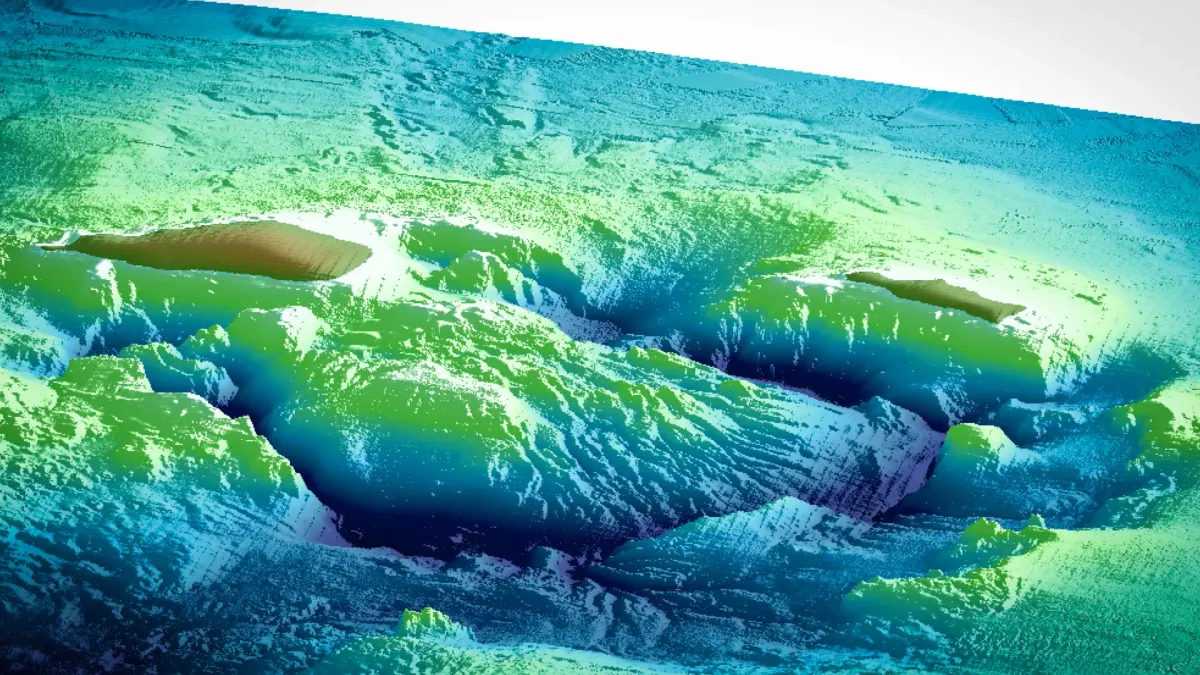
One of Earth’s most powerful supervolcanoes is refilling with fresh magma - Science Daily
One of Earth's most powerful supervolcanoes is slowly refilling its enormous underground magma reservoir, thousands of years after producing one of the largest volcanic eruptions in recent geological history. Scientists at Kobe University have discovered evidence that fresh magma is accumulating beneath Japan's Kikai caldera, which unleashed a catastrophic eruption about 7,300 years ago. The discovery offers a rare look at how giant volcanic systems rebuild their magma supplies after massive eruptions. It could also provide important clues about the behavior of other supervolcanoes, including Yellowstone in the United States and Toba in Indonesia, potentially helping scientists improve their ability to recognize warning signs of future eruptions.
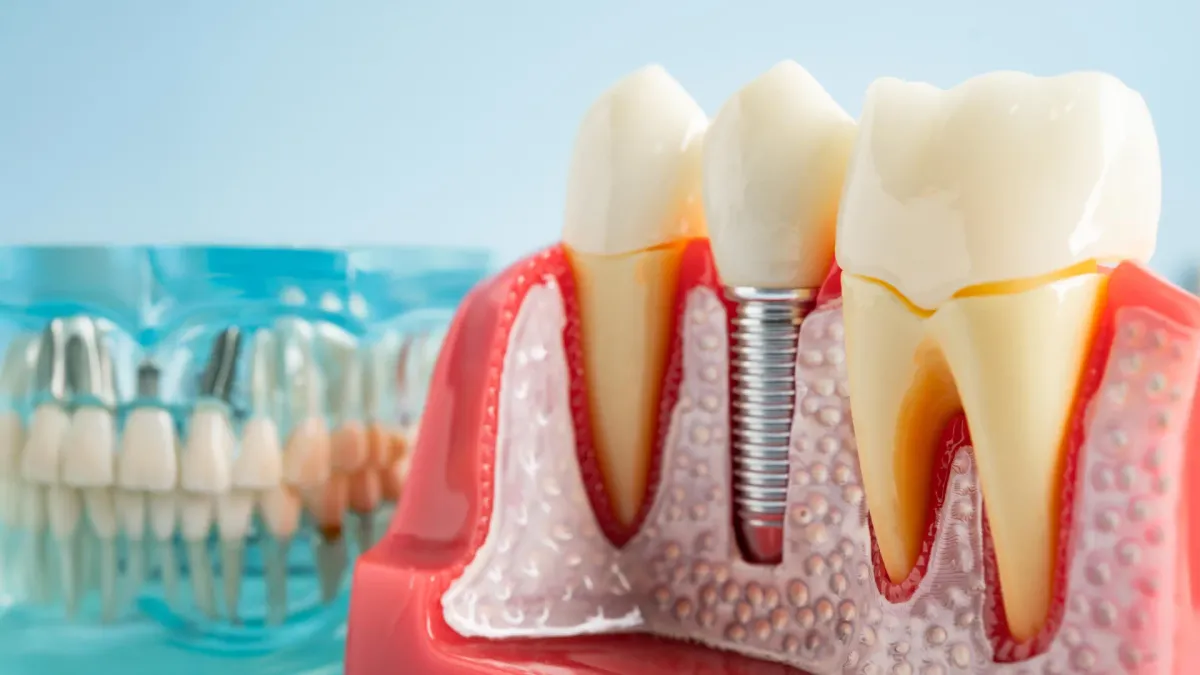
Dental implants can hijack your immune system, scientists discover - Science Daily
For tens of millions of people, dental implants have provided a way to replace missing teeth with a full set of fixed, functional teeth rather than removable dentures. However, an estimated 10% to 20% of implant patients eventually develop peri-implantitis, a serious infection that damages the surrounding jawbone. Antibiotics frequently fail to control this condition, and scientists have struggled to understand why. Now, researchers believe they have uncovered the mechanism responsible.
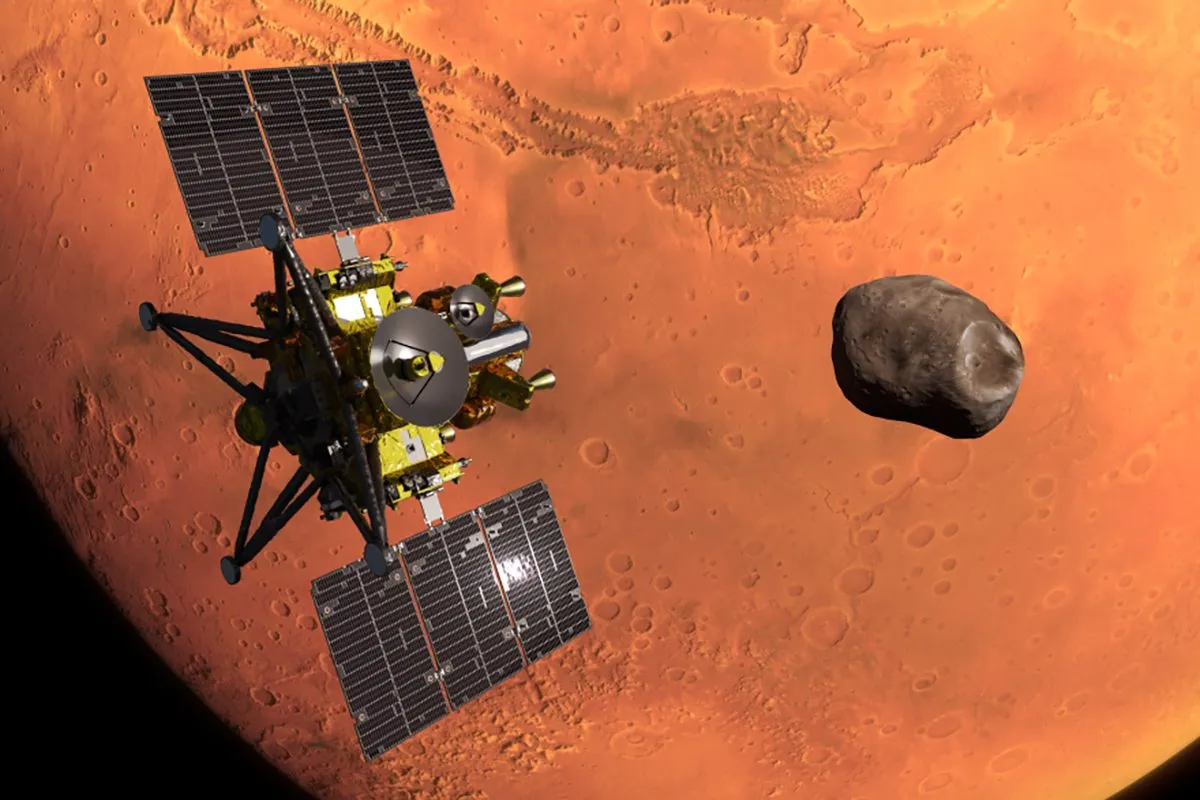
As an astrophysicist, I think Japan’s bold new Mars moon mission will be a planetary game-changer - BBC Sky at Night Magazine
Despite decades of telescopic observation and orbital reconnaissance, Mars' inner moon Phobos remains one of the least understood bodies in the inner Solar System. A new Phobos sample-return mission represents a significant advance in planetary science.

JWST Reveals a Lopsided Alien World with Blistering Evening Winds - Universe Today
Typically, when we think of exoplanets, we think of neat spheres floating directly in front of their star, which acts as a giant spotlight. From our vantage point, they would look more like two perfect two dimensional circles than spheres, though. But nature is almost never so clean-cut. A new paper published in Nature Astronomy from researchers at Cornell and the University of Bristol details the first-ever study of an exoplanet that is noticeably lopsided. The planet, WASP-17 b, has been a favorite of exoplanet researchers since it was discovered in 2009. It’s located around 1,300 light years away in the constellation Scorpius, and is what we now call a “hot Jupiter” - but an extreme version of that category. Its year is only four days long, and while it has only about half the mass of Jupiter, it is puffed up to nearly twice its diameter, giving it a density equivalent to styrofoam. But since it is so big and hot, it provides a natural laboratory for scientists to test theories about exoplanet atmospheres.
News What Rats Can Tell Us About the Risks of Human Missions to Mars - Asgardia - The Space Nation

MIT scientists build a tiny robot that swims using living muscle cells - Science Daily
A swimming robot does not necessarily need a bulky motor or powerful mechanical parts to move through water. MIT researchers have demonstrated that a single, carefully engineered layer of living muscle cells can generate enough force to propel a tiny robot forward. The engineers developed an extremely thin swimming robot that uses living muscle tissue to move its fins. Described in a new study published in Advanced Functional Materials, the device has a flexible gel framework roughly the length and width of a stick of gum. The gel forms two fins, each coated with a layer of muscle cells far thinner than a human hair. These cells have been genetically modified to contract when exposed to light.
0 comments
No comments yet. Be the first to share your thoughts!