Astronomers uncover new secrets of the Universe’s first five minutes - Science Daily
This story deserves to be shared
Send it to someone who'd care, or post it on your networks.
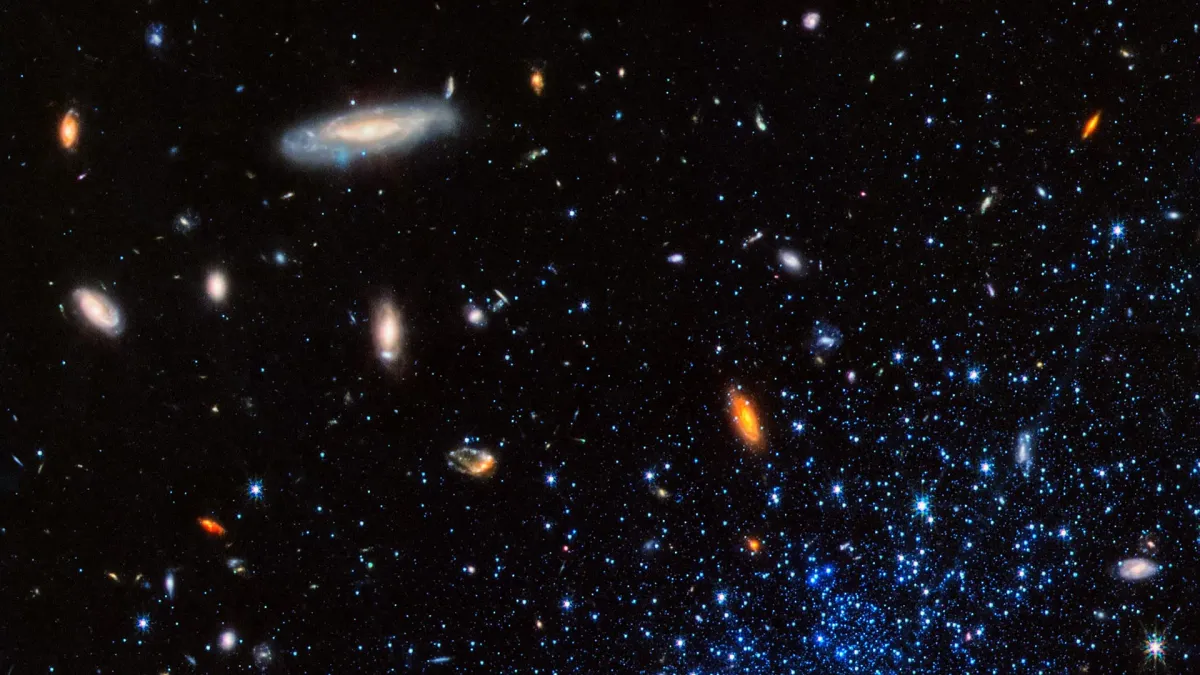
Scientists have measured the amount of helium produced during the Universe's first five minutes with unprecedented precision, offering a clearer picture of the conditions that existed shortly after the Big Bang. The achievement, made by an international research team that includes scientists from the University of Minnesota Twin Cities, represents a major advance in precision cosmology.
The findings, presented in five papers published in The Astrophysical Journal, are based on 130 hours of observations using the Large Binocular Telescope. By analyzing distant galaxies, the researchers reduced the uncertainty in this fundamental measurement to just 0.5%, making it three times more precise than previous estimates.
This article is an excerpt. To read the full content, visit the original source. Science Daily
Related articles
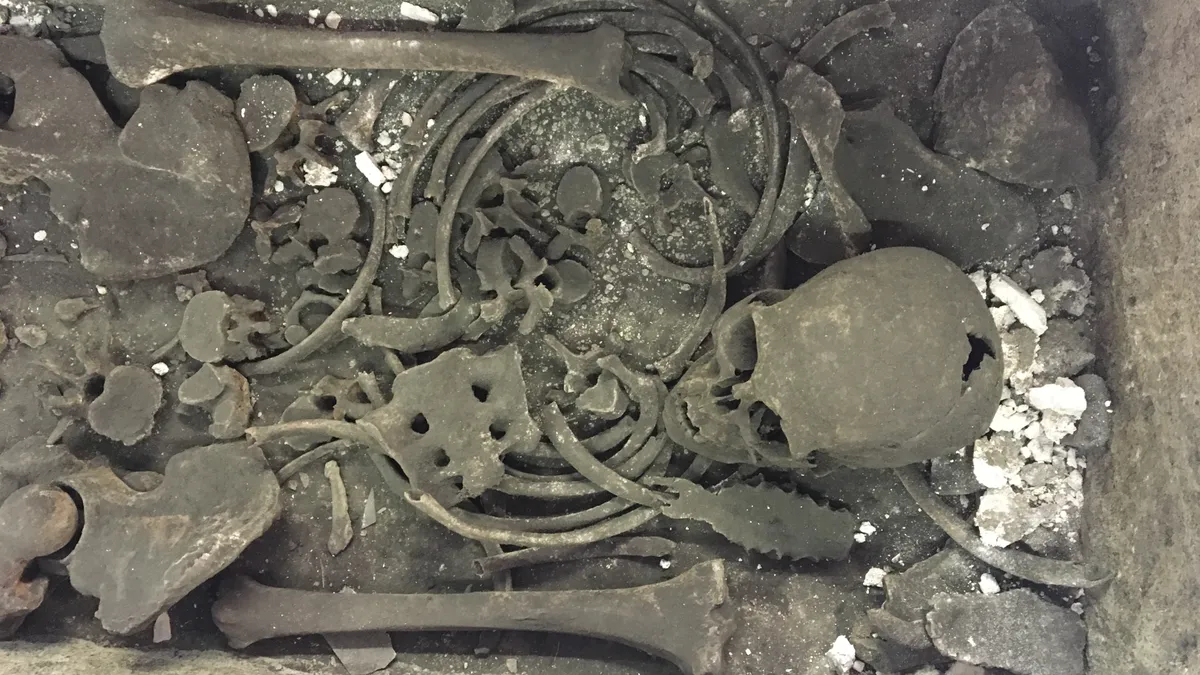
Case of mysterious medieval skeleton buried in Roman-era sarcophagus at Westminster Abbey finally solved - Live Science
A sarcophagus in Westminster Abbey with Roman and Anglo-Saxon decorations baffled archaeologists, but now a 150-year-old mystery has finally been solved.
Male seahorse pouch proteins may help remove toxic waste from developing embryos - Phys.org
Male seahorses, fishes that belong to the Syngnathidae family, show a distinctive reproductive strategy in which males carry developing embryos in a brood pouch. Their most distinctive feature is the brood pouch on the ventral side of the male fish, into which the female fish transfers her eggs.
NASA’s self-driving Mars rover sets an off-world mileage record - Nextgov/FCW
Perseverance rover driver Joseph Carsten plans NASA's Perseverance Mars rover's route for the next Mars mission day at the Jet Propulsion Laboratory, JPL, in Pasadena, California on Monday November 25, 2024. NASA’s Perseverance rover just broke the longest off-planet driving distance record thanks largely to its impressive auto navigation and self-driving systems.
0 comments
No comments yet. Be the first to share your thoughts!