Archived: ICE Health Service Corps - ICE | U.S. Immigration and Customs Enforcement (.gov)
This story deserves to be shared
Send it to someone who'd care, or post it on your networks.

ICE Health Service Corps focused on best patient outcomes
The ICE Health Service Corps (IHSC) is the only entity in ICE with the responsibility of providing direct patient care. IHSC’s vision is to be the best health care delivery system in detention and correctional health care. IHSC’s mission is to provide the safe delivery of high-quality health care to those in ICE custody. IHSC is made up of a workforce of approximately 1,670 employees that includes U. S. Public Health Service (PHS) Commissioned Corps officers, federal civil servants, and contract health professionals. IHSC is committed to providing health care services to reduce global disease and support the safe apprehension, enforcement and removal of detained individuals involved in immigration proceedings. ICE Health Care SystemIn Fiscal Year (FY) 2023, IHSC provided direct care to more than 131,000 noncitizens housed at 19 designated facilities throughout the nation to include medical, dental, and mental health care, and public health services.
This article is an excerpt. To read the full content, visit the original source. ICE | U.S. Immigration and Customs Enforcement (.gov)
Related articles

Trauma-informed care must be mandatory in long-term care - Policy Options
Long-term care (LTC) facilities are actually people’s homes. It’s where many Canadians live out their final days. But not all the residents in LTC receive the specialized care they need. Often seniors’ behaviour that could be the result of past traumas is written off as a symptom of dementia. Care aides need training to identify the difference and provide trauma-informed care. Accrediting agencies and Canada’s new national long-term care standards include providing trauma-informed care. But that standard is voluntary. It must be made mandatory.

Six-gene scoring system could help predict AML survival - healthcare-in-europe.com
Spleen tissue from a mouse without PHF19 (left) and a mouse with normal PHF19 function (right). Dense clusters of immune cells sit within blood-rich regions in pink. Without PHF19, cells are altered in their differentiation process. Image credit: Gianni Gamarra/Centro de Regulación Genómica Experiments with mice and patient data reveal new genes that can predict acute myeloid leukaemia outcome

Children's brain reward responses may explain ultra-processed food-related weight gain - News-Medical
Children who eat more ultra-processed foods (UPFs) show stronger responses in the brain's reward network when viewing images of appetizing foods-and these brain responses are linked to increases in body fat one year later. The findings, just published in JAMA Network Open, suggest that the brain may become more sensitive to food cues when children consume more UPFs. UPFs are manufactured food products-such as breakfast cereals, packaged bread and instant soups-that are designed to be highly palatable, convenient and shelf-stable. They often contain artificial sweeteners, colors and other ingredients that people do not typically use when cooking at home. On average, U. S. children get about 67% of their daily calories from UPFs.
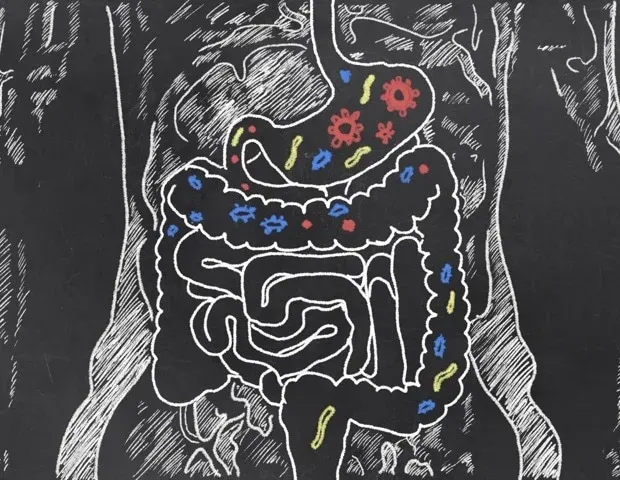
Gut microbiome differences may explain varied sleep responses to hydrogen supplementation - News-Medical
Hiroshima University researchers investigated the effects of hydrogen supplementation on sleep quality in healthy human volunteers. While hydrogen supplementation had no significant effect compared to a placebo, individuals in the hydrogen-supplementation group reporting better sleep quality were discovered to have a lower abundance of hydrogen producing bacteria in their gut microbiome. A Hiroshima University-led randomized, double-blind clinical trial found that hydrogen supplementation did not significantly improve sleep quality compared to a placebo; however, exploratory analyses suggest that differences in the abundance of hydrogen-producing gut bacteria may be associated with individual differences in sleep-related responses.
0 comments
No comments yet. Be the first to share your thoughts!