Apple updates guidelines to ban nudify apps masquerading as regular apps to pass review - TechCrunch
This story deserves to be shared
Send it to someone who'd care, or post it on your networks.
Apple tightened its developer guidelines over the weekend to ban apps that use AI to create offensive content, as well as those that masquerade as regular apps to pass the App Store review process and then turn into nudify apps, or surface those features prominently.
The company updated its guidelines with strong language around AI and user-generated content, and how app developers should include enough preventative measures to moderate objectionable or offensive content.
This article is an excerpt. To read the full content, visit the original source. TechCrunch
Related articles
Apple adds further App Store restrictions around AI 'nudify' apps - Mashable
Apple is trying to tighten its control of the iOS App Store, especially as it regards AI deepfake nude photos. In a brief note on its developer website, Apple announced a change to its moderation tactics for the App Store. These new measures target apps capable of generating "nonconsensual intimate imagery" of real people using user-generated content tools. Pornographic material is already banned on the App Store, and so are apps explicitly designed to do that, but apps that have the potential to do so are now also required to filter such content, provide a way to report it, prevent uploads, and remove anything that gets through all of that. The change here, essentially, is that app makers are now required to self-police more thoroughly against AI nude photos. If any app is found to violate those rules, as well as a new one prohibiting "bait and switch" tactics (such as misrepresenting what the app can do during the submission review period), it can and will be pulled from the App Store. In addition, developers behind these apps can have their ability to submit to the App Store revoked.
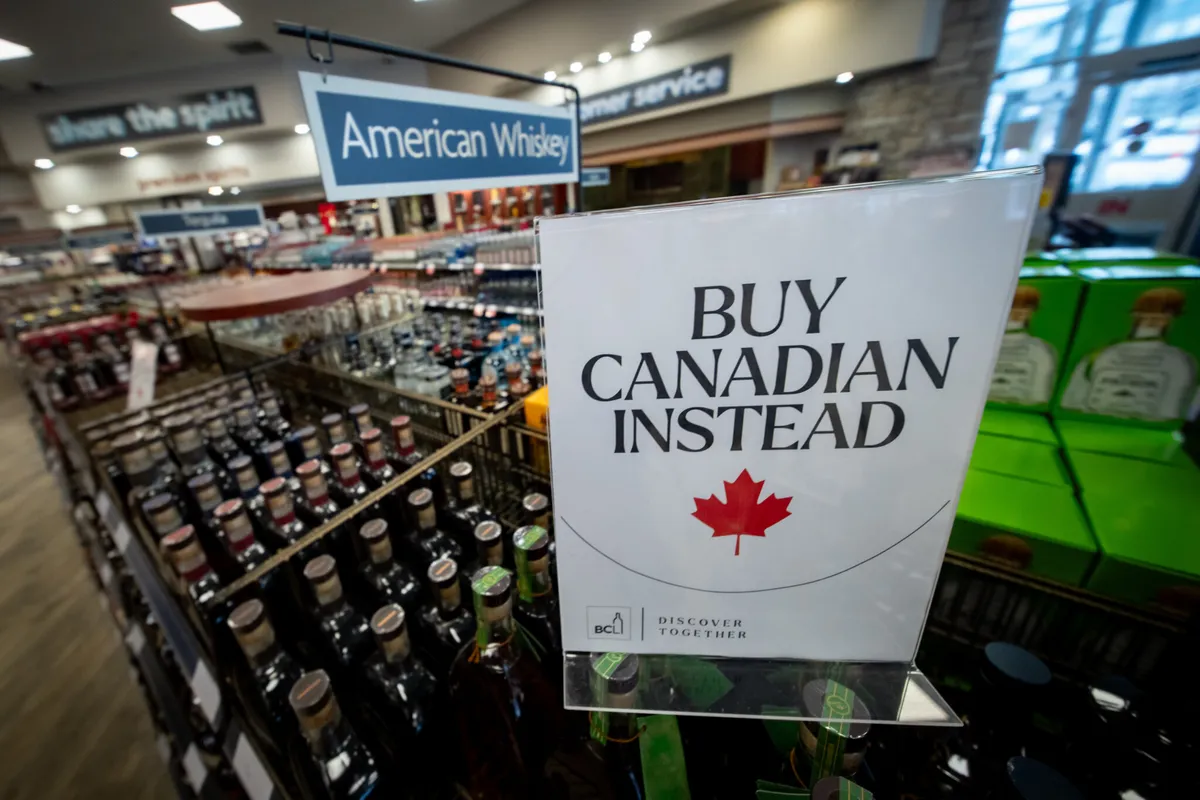
Canadian protectionism is masquerading as Canadian patriotism - The Hub | More Signal. Less Noise.
Sometimes, anti-free-trade politicians tell on themselves. President Trump and other so-called “America First” Republicans are the clearest examples. When “tariff” is literally your favourite word, it’s pretty clear where you stand. But irresponsible appeals to economic nationalism aren’t always so overt. Indeed, in Canada today, harmful economic nationalism is masquerading as patriotism, and it threatens to undermine a cross-partisan, pro-growth consensus. Prior to the emergence of the 1980s free trade consensus, leaders from across the political spectrum were very comfortable openly arguing for protectionism. This was useful in Canada because it meant that we could have an honest conversation. Economists, business leaders, and other free traders could make the argument against protectionism when it reared its ugly head, and Canadians could decide. Indeed, such a debate transpired in the years leading up to the ratification of the North American Free Trade Agreement (NAFTA). Canadians had a choice—they could choose free trade, or they could choose insularity. They chose well.
Microsoft Restores App-V Server Support Through 2029 - Petri IT Knowledgebase
Microsoft has restored App-V Server to extended support through October 9, 2029. The extended support period provides continuity and security updates but does not include new features.
Solesca adds 3D terrain modeling to latest design software - Solar Power World
Commercial and community solar design service Solesca is launching the second version of its software, which will now add terrain variability and slopes for designing ground-mounted and rooftop solar projects. “A lot of the expensive surprises on solar projects come from decisions made early with incomplete information,” said Sam Schierloh, CEO and co-founder of Solesca. “Terrain is one of the big ones. We’ve been working on v2 for more than two years, and it gives developers a much clearer picture of a site before they commit to it, which means less time and money spent on projects that were never going to work.”
Probiotics May Protect From Signs of Early Cognitive Decline, Clinical Trial Finds - ScienceAlert
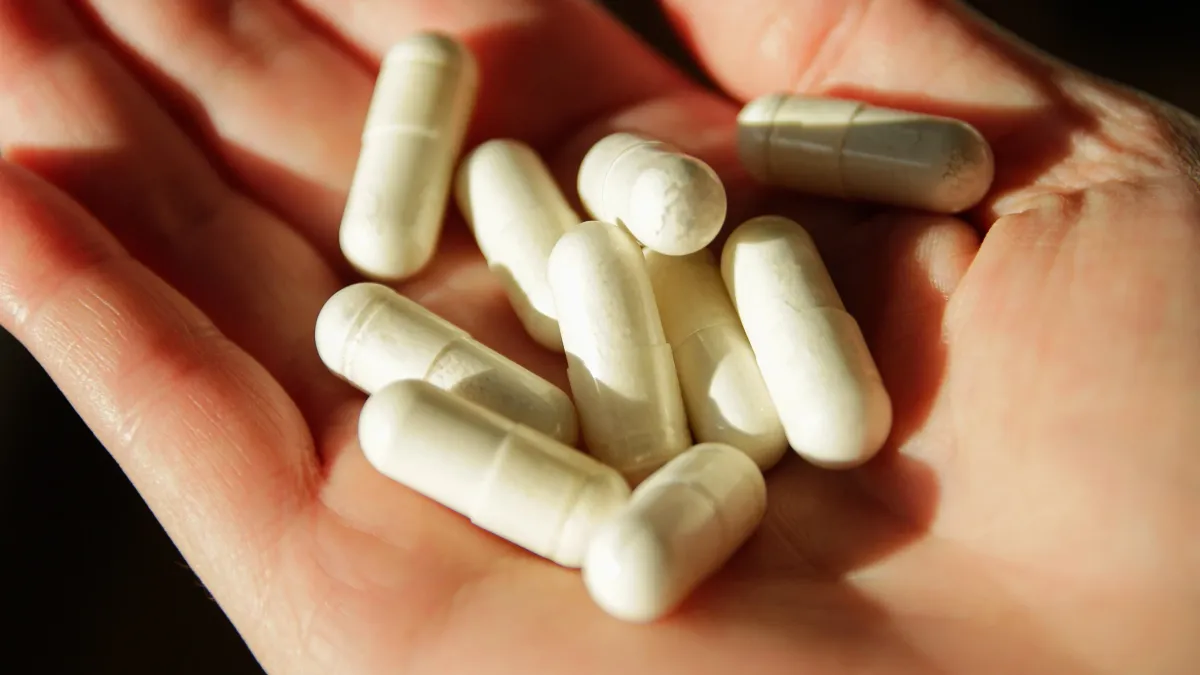
Food for the gut may possibly feed the brain as well. A rigorous new clinical trial has now found evidence that certain probiotic mixes may protect from some initial signs of cognitive decline. Among older adults with early cognitive impairment, taking a multistrain probiotic supplement daily for roughly six months resulted in a number of benefits. Most notably, probiotic use compared to a placebo was associated with better scores on several cognitive tests, and it also led to a significant reduction in plasma levels of pTau181. This is a blood-based biomarker of Alzheimer's disease that measures levels of a phosphorylated form of tau protein in the blood, which can reflect Alzheimer's-related changes in the brain. In cases of dementia, tau proteins can fold abnormally, leading to tangles that can clog up brain cells. Prior to the onset of dementia symptoms, pTau181 often increases in the blood. These new findings, published in the Journal of Alzheimer's Disease, are exciting but still preliminary. To be clear, they do not show that probiotics can directly reduce tau tangles in the brain.
0 comments
No comments yet. Be the first to share your thoughts!