Antimicrobial resistance in foodborne bacteria remains a public health concern in Europe - EFSA
This story deserves to be shared
Send it to someone who'd care, or post it on your networks.
This article is an excerpt. To read the full content, visit the original source. EFSA
Related articles
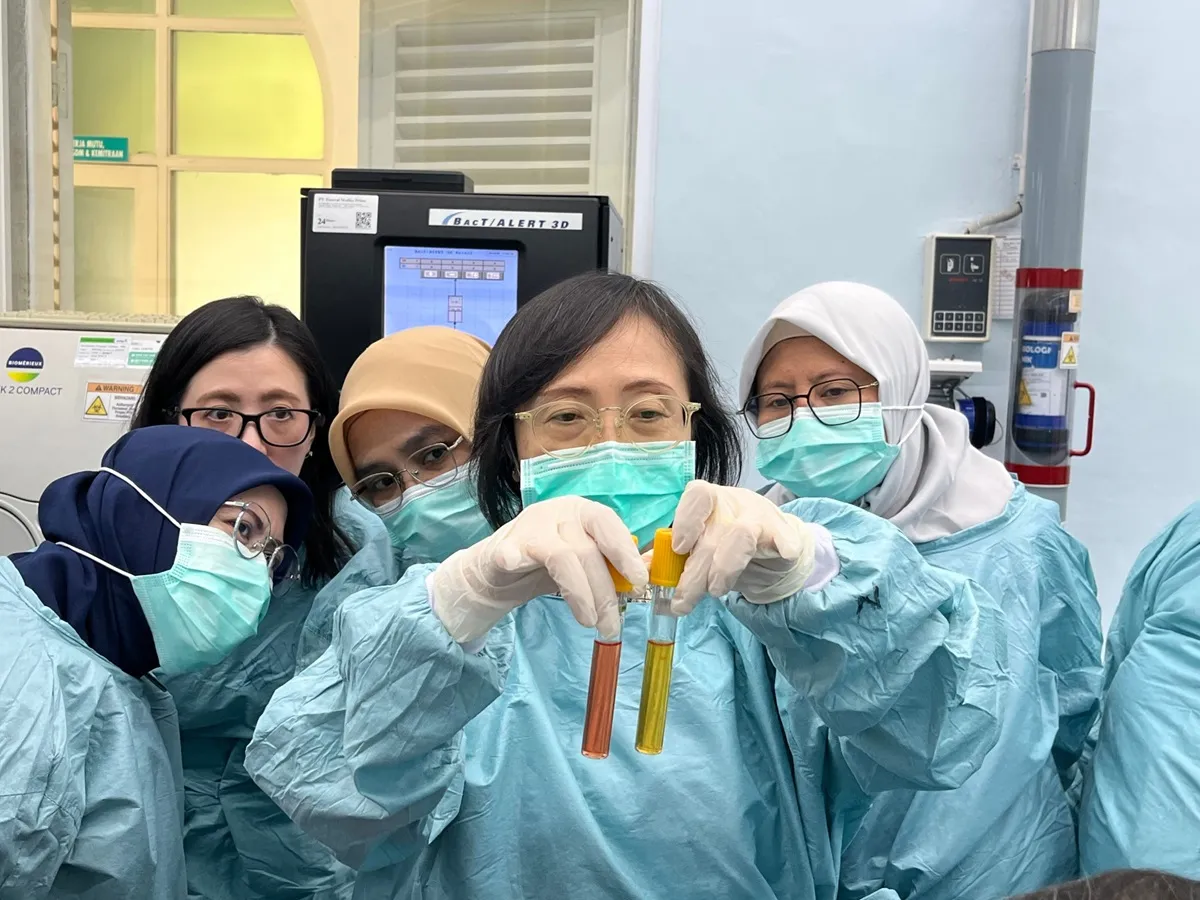
Monitoring One Health action against antimicrobial resistance in Indonesia - World Health Organization (WHO)
A 2025 training in Jakarta to improve the capacity of laboratory technicians for AMR testing. Antimicrobial resistance (AMR) is one of the world’s most pressing public health threats. It makes common infections harder to treat and increases the risk of prolonged illness, disability and death. Because resistant microorganisms can spread between people, animals and the environment, addressing AMR requires a One Health approach that recognizes the close connections between human, animal and environmental health and promotes collaboration across sectors. To monitor progress and identify areas that need further attention, countries participate in the annual Tracking AMR Country Self-Assessment Survey (TrACSS), a global survey coordinated by WHO, FAO, UNEP and WOAH. The survey helps countries identify achievements, challenges and priorities for further action. Previous TrACSS findings informed the development of Indonesia’s 2025–2029 national AMR strategy, which adopts a One Health approach. They also helped identify priority sectors and target participants for programme implementation.
McMaster study finds new antimicrobial chemicals on human skin - Faculty of Health Sciences - McMaster University
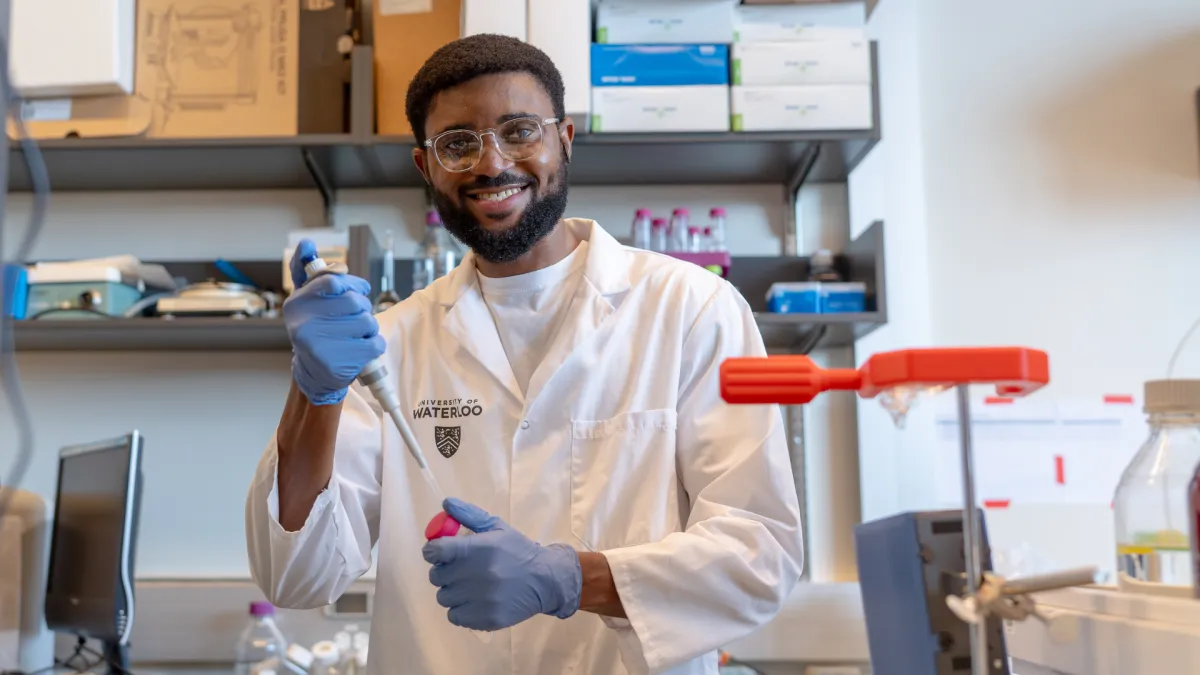
Science that matters: Master’s student is developing a bacteria-responsive coating for food to protect against foodborne illness - University of Waterloo
Recent Listeria outbreaks have many Canadians paying closer attention to food recalls while grocery shopping. Fresh produce, cheeses and deli meat are high-risk foods often contaminated by harmful bacteria. According to the World Health Organization, unsafe food causes 866 million illnesses and 1.5 million deaths annually, highlighting the need for innovative approaches to improve food safety. Henry Abanum, a Master of Science in Pharmacy student, aims to address this challenge by developing a bacteria-responsive coating for food contact materials that integrates toxin detection with on-demand antimicrobial delivery. Henry Abanum (he/him), Master of Science in Pharmacy student
0 comments
No comments yet. Be the first to share your thoughts!