Ancient human relative cannibalized toddlers, 850,000-year-old neck bone reveals - Live Science
This story deserves to be shared
Send it to someone who'd care, or post it on your networks.
This article is an excerpt. To read the full content, visit the original source. Live Science
Related articles
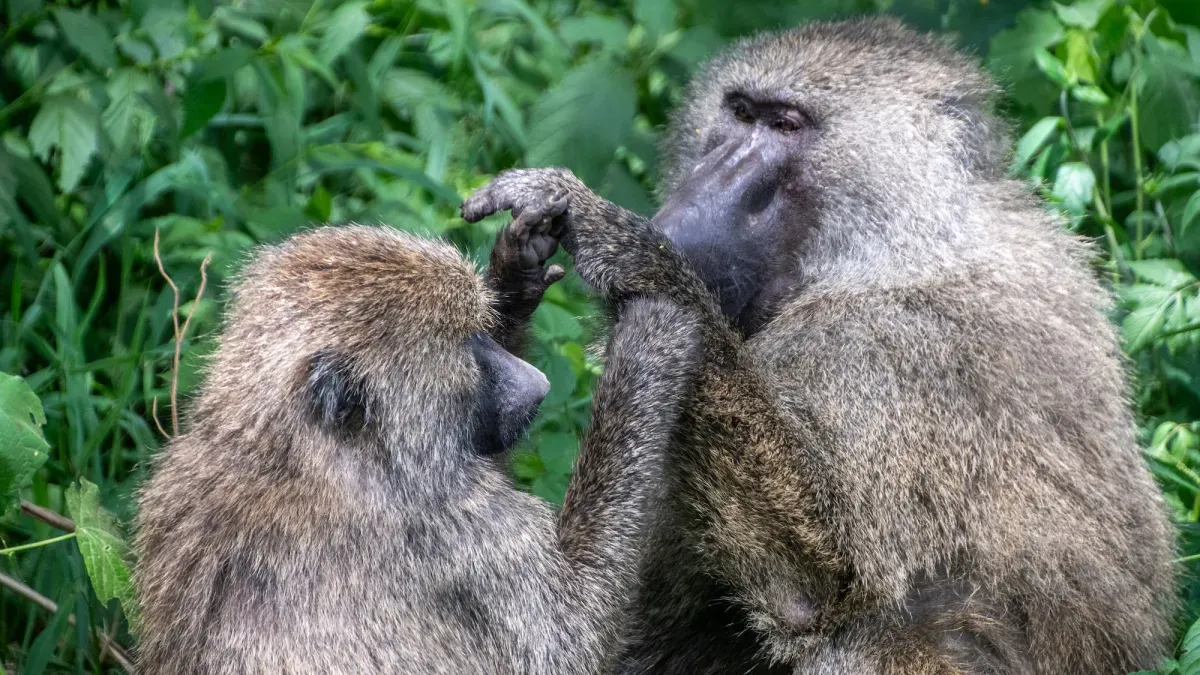
Monkeys' geometry skills on par with human toddlers - Popular Science
Human understanding of geometry may stretch deep into our evolutionary past. Only a handful of species apart from humans are known to understand geometry. It’s considered so rare among other animals that most scientists have long assumed even our closest non-human primate relatives struggle to grasp the concept of shapes and space. But according to a new study published today in the journal Proceedings of the National Academy of Sciences, some monkeys may not only have a solid handle on geometrical ideas—they cognitively process them in the same way as humans.
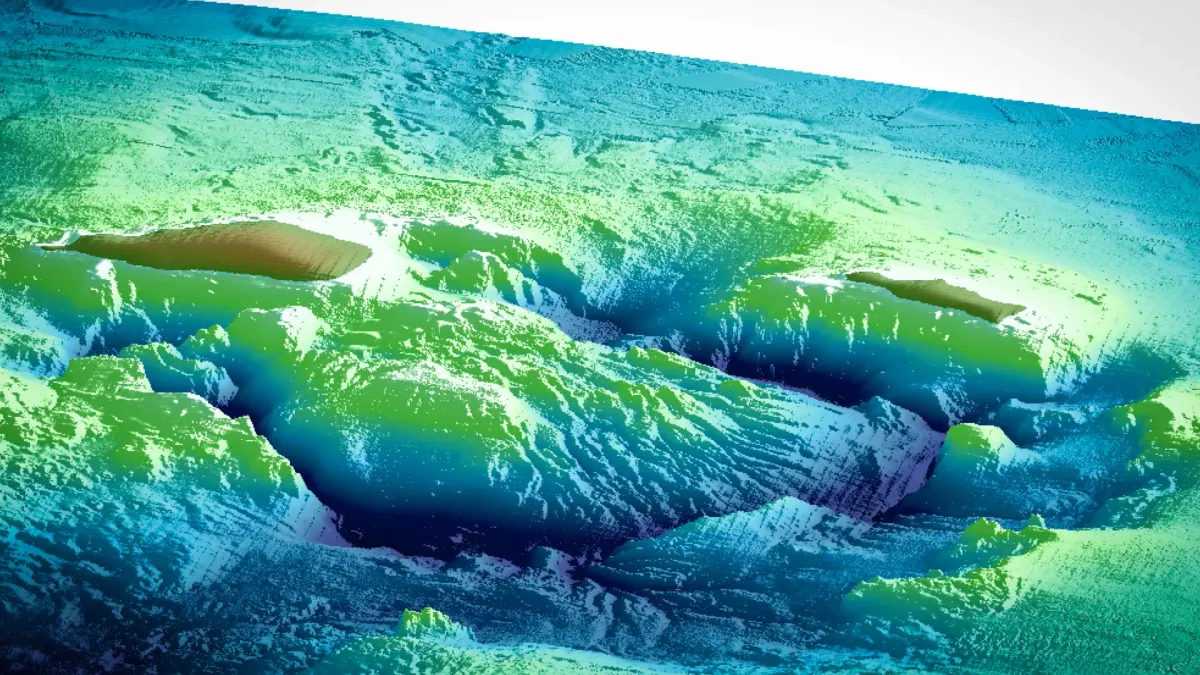
One of Earth’s most powerful supervolcanoes is refilling with fresh magma - Science Daily
One of Earth's most powerful supervolcanoes is slowly refilling its enormous underground magma reservoir, thousands of years after producing one of the largest volcanic eruptions in recent geological history. Scientists at Kobe University have discovered evidence that fresh magma is accumulating beneath Japan's Kikai caldera, which unleashed a catastrophic eruption about 7,300 years ago. The discovery offers a rare look at how giant volcanic systems rebuild their magma supplies after massive eruptions. It could also provide important clues about the behavior of other supervolcanoes, including Yellowstone in the United States and Toba in Indonesia, potentially helping scientists improve their ability to recognize warning signs of future eruptions.
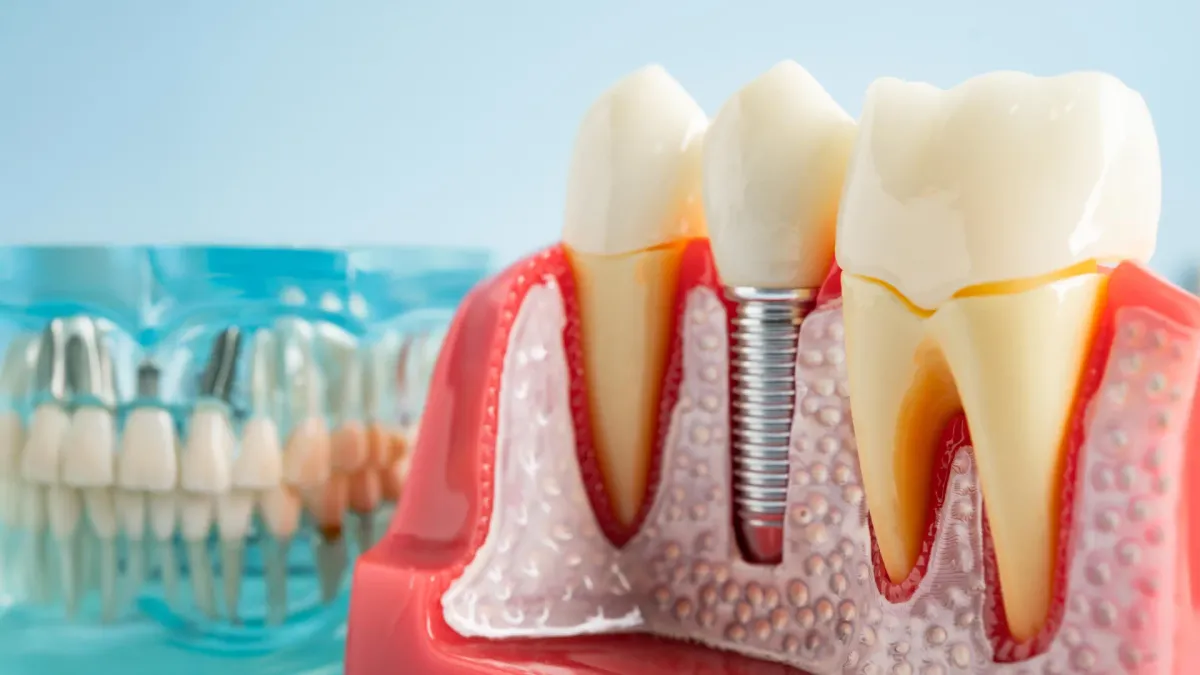
Dental implants can hijack your immune system, scientists discover - Science Daily
For tens of millions of people, dental implants have provided a way to replace missing teeth with a full set of fixed, functional teeth rather than removable dentures. However, an estimated 10% to 20% of implant patients eventually develop peri-implantitis, a serious infection that damages the surrounding jawbone. Antibiotics frequently fail to control this condition, and scientists have struggled to understand why. Now, researchers believe they have uncovered the mechanism responsible.
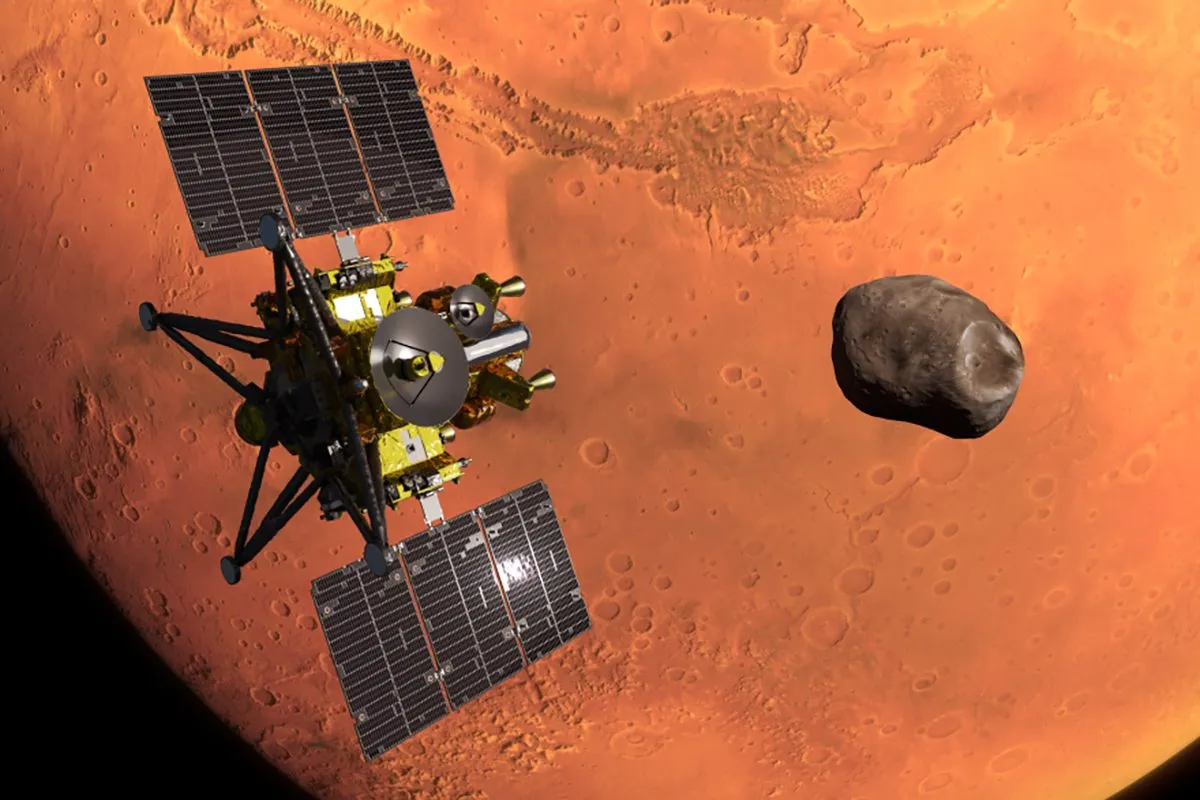
As an astrophysicist, I think Japan’s bold new Mars moon mission will be a planetary game-changer - BBC Sky at Night Magazine
Despite decades of telescopic observation and orbital reconnaissance, Mars' inner moon Phobos remains one of the least understood bodies in the inner Solar System. A new Phobos sample-return mission represents a significant advance in planetary science.
0 comments
No comments yet. Be the first to share your thoughts!