America Needs 48,000 Tons of Rare Earth Magnets. It Only Makes 300 - Crude Oil Prices Today | OilPrice.com
This story deserves to be shared
Send it to someone who'd care, or post it on your networks.
Josh Owens is the Content Director at Oilprice.com and a veteran energy journalist with over a decade of experience covering global energy markets and geopolitics.…
Last year, America needed roughly 48,000 metric tons of the most common rare earth magnet, and domestic sources supplied just 300 tons. The rest had to come from somewhere else, and China makes more than 90% of the world's supply. To make matters worse, in January, that supply gets cut from both directions. On January 1, the Pentagon's ban on Chinese magnets in its supply chain takes effect, and just nine days later, China's toughest rare earth rules could snap right back into place. That’s exactly the problem REalloys (NASDAQ: ALOY) has been working to help solve. The company is building a heavy rare earth supply chain outside of China, from processing in Saskatchewan to metal-making in Ohio. To understand why that's such a problem for America's defense contractors, you have to start with what the Pentagon is actually seeking. The Pentagon’s Changes Start January 1For years, the Pentagon has had a rule that keeps Chinese magnets out of the weapons it buys, known as DFARS.
This article is an excerpt. To read the full content, visit the original source. Crude Oil Prices Today | OilPrice.com
Related articles
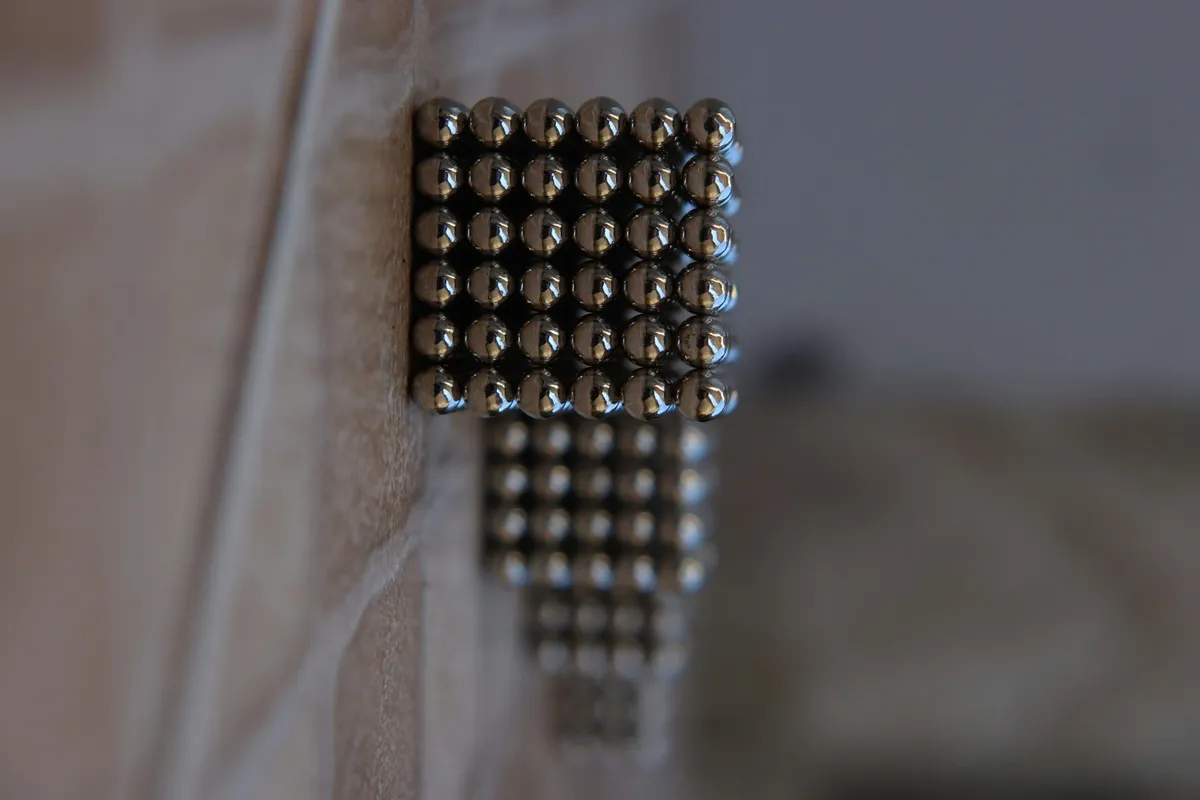
Magnets, How Do They Work? (The Business Case, Not the Physics) - Cleantech Group
Insane Clown Posse’s 2009 track Miracles spends its opening lines marveling at everyday wonders, water, fire, air, and dirt, before landing on its most quoted line: genuine bafflement at how magnets work. The joke landed because magnetism sounds like it should be simple, and it isn’t, even to the people working in it. In cleantech, a second layer of confusion has piled on top of the physics: who gets to make these magnets, what they’re made of, and whether any answer can stop depending on one country. In April 2025, China’s Ministry of Commerce started requiring export licenses for seven rare earth elements: samarium, gadolinium, terbium, dysprosium, lutetium, scandium, and yttrium. October 2025 added five more. These rules cover the raw metals, but also finished magnets (every samarium-cobalt (Sm-Co) magnet needs a license now, and so does any neodymium magnet doped with terbium or dysprosium) and the manufacturing technology itself. They also reach down to any component with as little as 0.1% Chinese-origin content, wherever it was built. China refines 90% of all rare earth elements globally and produces about 90% of the world’s magnets, so this isn’t a minor supply hiccup.
The science of "mosquito magnets": why some people attract more bites - Futura, le média qui explore le monde

Indonesian stocks plunge to six-year low as MSCI downgrade fears mount - CNBC
LivestreamWatchlistSIGN INCreate free account

China's third-quarter economic growth quickens to 4.5% as exports surge, beating estimates - CNBC
LivestreamWatchlistSIGN INCreate free account

Toronto builders are turning condos projects into rentals. Here’s why - CTV News
AtlanticNova ScotiaNew BrunswickPrince Edward Island Newfoundland and LabradorCalgaryLethbridgeKitchenerGuelphNorthern OntarioSudburyNorth BaySault Ste. MarieTimminsOttawaKingstonBrockvillePembrokeReginaYorktonSaskatoonPrince AlbertTorontoWatchWeatherPeelHamiltonDurhamYorkHaltonNiagaraQueen's ParkToronto City HallIn PicturesVancouverVancouver IslandCanadaLocal SpotlightRoyal FamilyPoliticsNanosPower PlayQuestion PeriodFederal Election 2025WorldMideast ConflictRussia-Ukraine WarWatchLatestCaptured on CameraPoliticsLifestyleConsumerHealthExplainedEntertainmentTechnologyDeception DecodedAutosEnvironmentBusinessInflationReal EstateAutos
0 comments
No comments yet. Be the first to share your thoughts!