Amendment 54: New Opportunity: A.12 HAMAQ Science Team - NASA Science (.gov)
This story deserves to be shared
Send it to someone who'd care, or post it on your networks.
This article is an excerpt. To read the full content, visit the original source. NASA Science (.gov)
Related articles
HAMAQ - NASA Science (.gov)
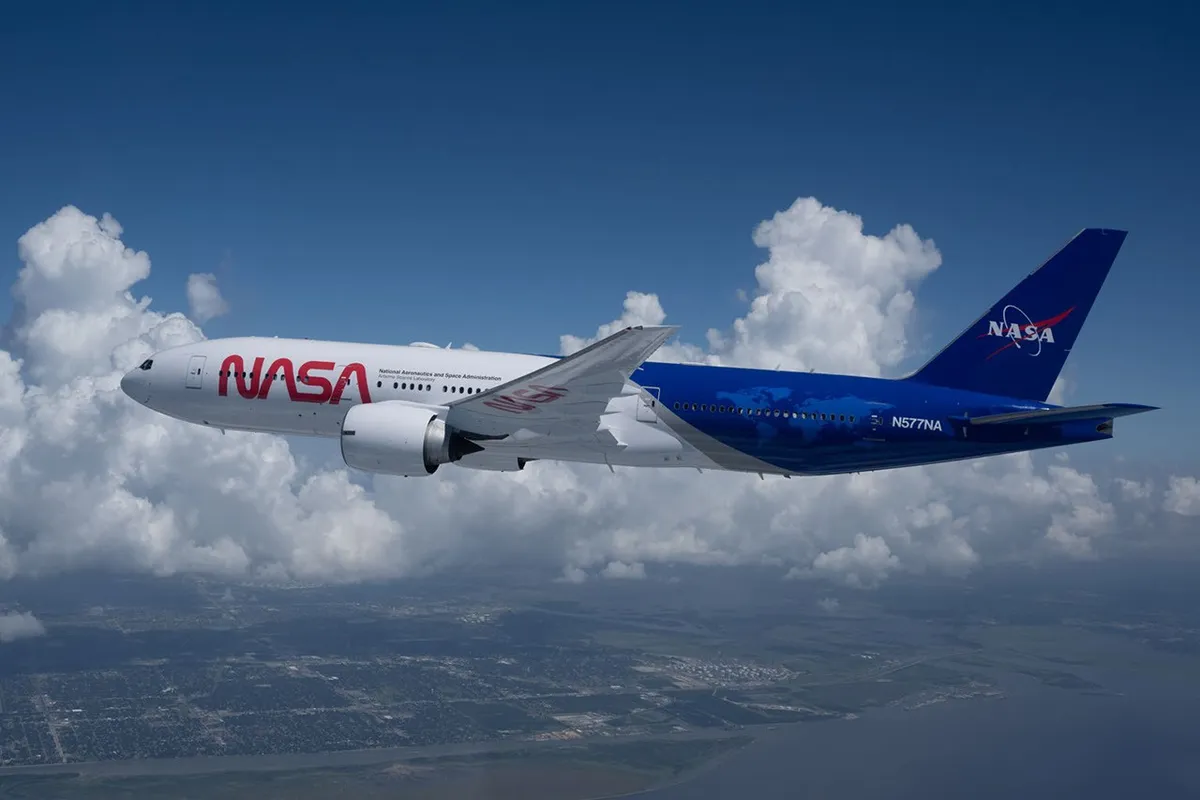
In 2028, HAMAQ will conduct two deployments: one over Mexico City in the spring and another over Atlanta in summer. These contrasting environments serve as ideal testing grounds for strengthening satellite‑to‑ground connections and improving air‑quality models. The mission will use two coordinated NASA aircraft. NASA's B777 will map pollution from above with remote‑sensing instruments, while the P‑3 will fly closer to the surface to measure aerosols, gases, and boundary‑layer structure. Combined with satellite data from TEMPO (Tropospheric Emissions: Monitoring of Pollution) and ground observations, these measurements are designed to support more accurate air quality insights.
ROSES-25 A.12 HAMAQ Science Team Clarified - NASA Science (.gov)
Amendment 77: New Opportunity: A.18 Geosphere - NASA Science (.gov)
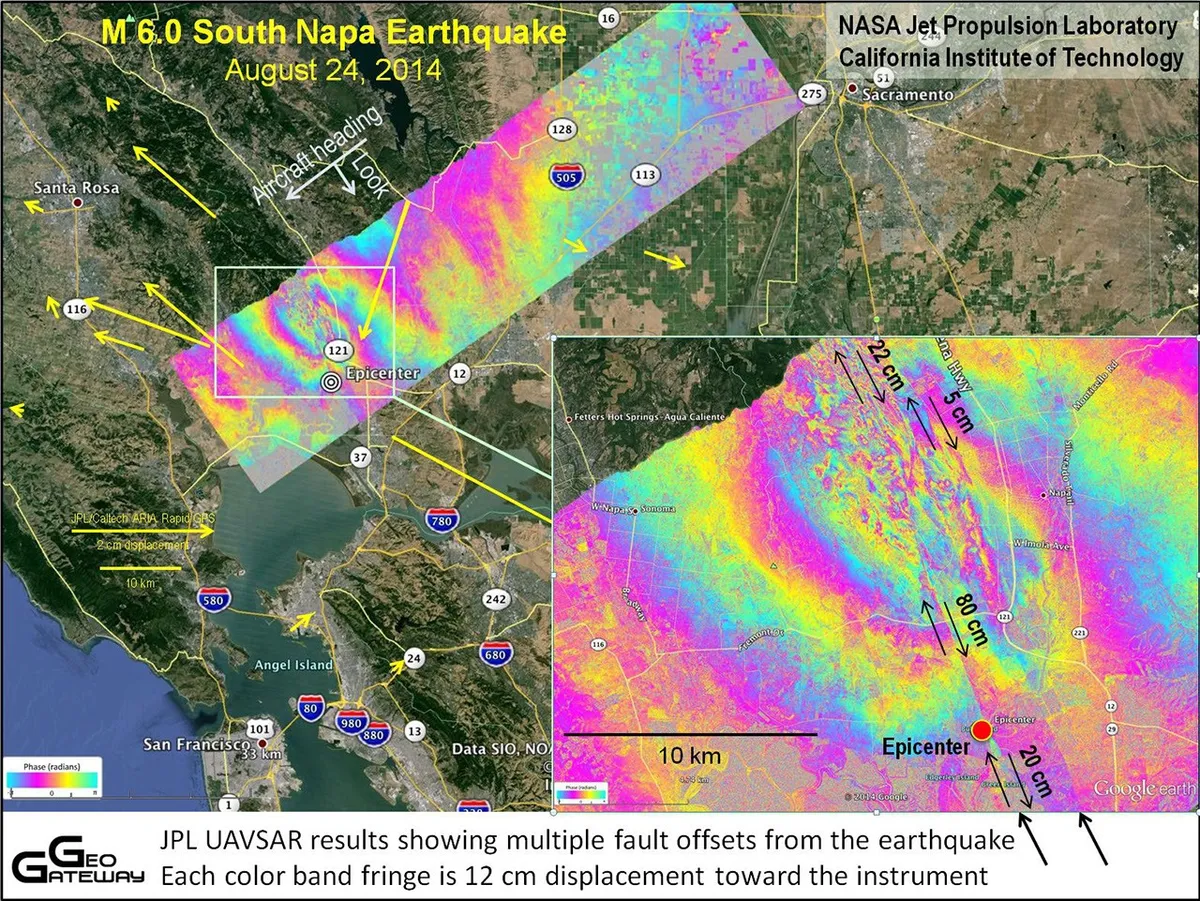
New Program Element A.18 Geosphere solicits proposals addressing one or more of the following sub-elements: Forecasting of geohazards and/or assessment of their impact on the Earth System. Proposals focused on this subelement may explore one or more geohazard types, and proposals that seek to characterize process-based connections between hazard cascades (for example, earthquake triggers leading to tsunami or landslides) are strongly encouraged. Proposals seeking to explore forecasting of geohazards could include volcanic deformation analyses or monitoring and modeling of pre-seismic activity. For proposals incorporating analyses of how hazards impact infrastructure or populations, proposers should seek to connect to societal impacts to align with Earth Science to Action objectives.
Amendment 72: New Opportunity: A.17 Hydrosphere - NASA Science (.gov)
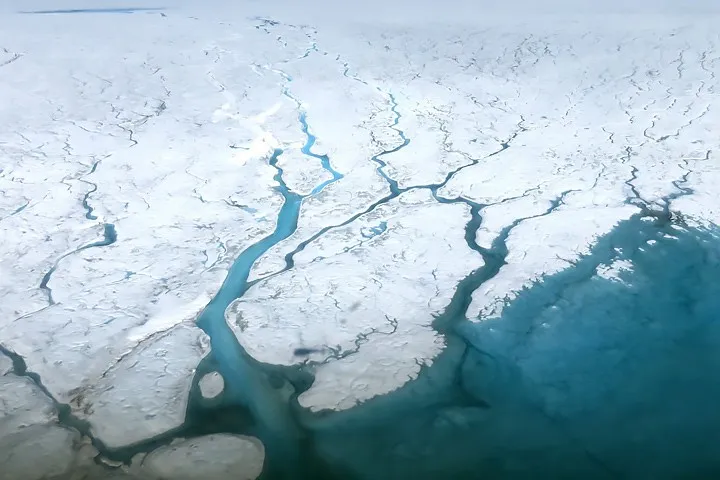
A.17 Hydrosphere solicits research on the Earth's Hydrosphere: to advance the understanding of the physics of Earth’s water across the ocean, land, and the atmosphere. This Hydrosphere element is composed of three Earth science disciplines: ocean physics, terrestrial hydrology, and precipitation science. The overlapping goals of are to address fundamental questions about the distribution, movement, and transformation of water across the Earth system. Specifically, this ROSES element targets measurements of ocean salinity, snow depth, and commercial satellite measurements of precipitation. These all enhance NASA investments in the Fate of River Export and Surface Hydrology field campaign, the NISAR mission, and data acquired via the NASA Commercial Satellite Data Acquisition program. A fourth subelement encourages the broadening of scope of these topics to other earth science disciplines across and outside of these core disciplines.
Amendment 71: New Opportunity: A.16 Cryosphere - NASA Science (.gov)
A.16 Cryosphere solicits high-impact efforts focused on sea ice, ice sheets, and glaciers. The expectation is that proposed investigations will use the wealth of data from NASA satellites and airborne campaigns to address the most urgent and impactful topics in cryospheric science, as identified in the National Academy of Sciences Decadal Survey, Thriving on Our Changing Planet: A Decadal Strategy for Earth Observation from Space (2018), https://www.nap.edu/catalog/24938. Potential topics include but are not limited to:
0 comments
No comments yet. Be the first to share your thoughts!