AI bubble could burst and take global economy with it, IMF warns - The Register
This story deserves to be shared
Send it to someone who'd care, or post it on your networks.

Financial watchdog fears AI spending bust could rattle markets, with mounting debt and cyberattacks adding to the headache
The International Monetary Fund (IMF) has become the latest financial heavyweight to warn that the AI spending frenzy could end in tears, with consequences extending well beyond the tech sector. In its latest Global Financial Stability Report, published on Tuesday, the IMF warns that financial markets are increasingly exposed to an AI-driven correction, especially if the billions poured into the tech fail to deliver the profits investors expect. AI investment has helped keep markets and economic growth ticking along, but the IMF fears the boom could quickly turn to bust if the promised profits fail to materialize. With tech giants borrowing billions and investors piling into the same handful of companies, a selloff could leave more than just Silicon Valley nursing a hangover.
This article is an excerpt. To read the full content, visit the original source. The Register
Related articles

China’s economy grows faster than forecast after AI boom boosted exports - The Guardian
Roaring exports lifted China’s economic growth in the third quarter of this year, with factory output growing much faster than consumer spending. China’s GDP grew by 4.5% year-on-year between July and September, the National Bureau of Statistics of China reported on Monday. The figures were better than economists had expected and up from the second quarter’s growth rate of 4.3%. China’s economy has now grown by 4.6% in the first nine months of the year, putting it on track to hit the government’s 2026 target of 4.5%-5% growth without extra stimulus measures. Industrial production rose 5.5% in September, up from 5.2% in August, while retail sales only increased 1.1%, up from 0.4%. Duncan Wrigley, the chief China economist at Pantheon Macroeconomics, said Beijing’s policymakers were likely to conclude that their efforts to stabilise headline growth in the third quarter were successful. “Headline industrial production rose in September partly as coalmines resumed operations after safety inspections prompted by a major accident.

OpenAI bugging suspect WhatsApp'ed Saudi royal days before arrest, feds reveal - CNBC
Saudi national Abdulrahman Alfozan is accused of planting a recording device in an executive conference room at OpenAI headquarters in San Francisco.

'I hope you never forget us': Vancouver seafood restaurant announces closure - Vancouver Is Awesome
Less than two weeks after Bayside Lounge announced it was closing, a neighbour has made a similar declaration. "After 10 amazing years, Hook Restaurant would like to publicly say goodbye," reads a post from the restaurant on Instagram.
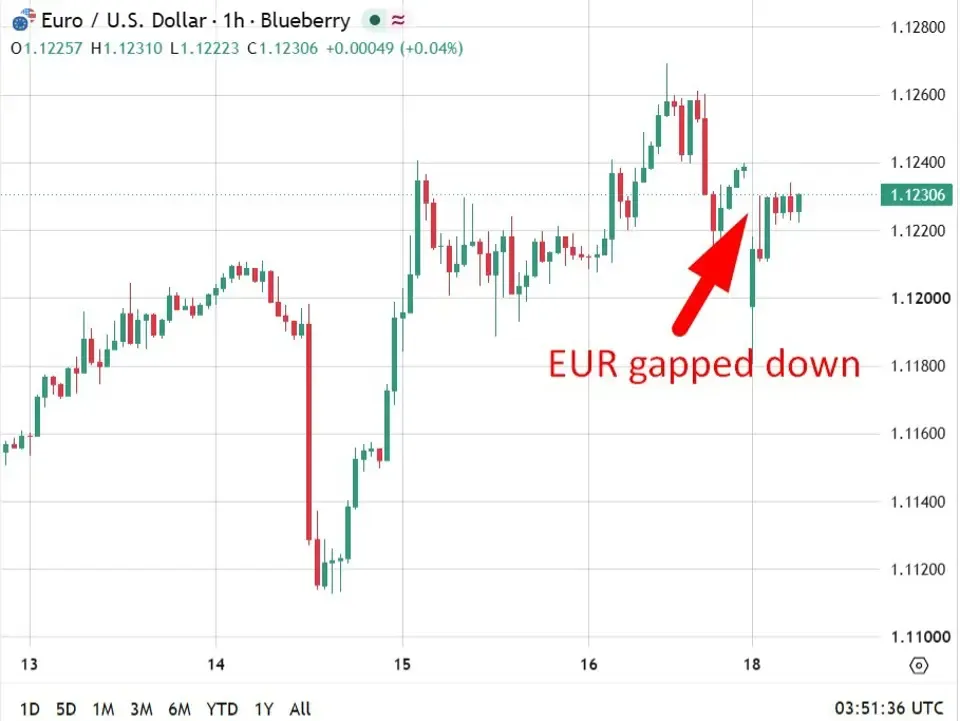
investingLive Asia-Pacific market news: China beats, the euro wobbles and oil dips - investingLive
Summary:The euro opened lower on escalating riots in France, drone incidents over the Black Sea and US warnings over EU tech rules, then recovered most of the gapOil edged lower after Trump signed an order waiving some sanctions and duties on Russian energy, with the US set to receive more than 300,000 tonnes of Russian dieselHouthi attacks on Saudi Arabia and Iran’s conditions for reopening the Strait of Hormuz limited oil’s downsidePutin has proposed a three-way meeting with Trump and Xi on Ukraine, possibly at next month’s APEC summitChina’s Q3 GDP grew 4.5% y/y, beating forecasts, with September retail sales and industrial output firmer, though investment stayed weakRBA Assistant Governor Kent said neutral rates appear to be rising and questioned whether policy is restrictive enoughBOJ Governor Ueda said anchoring underlying inflation is becoming more important and that appropriate rate hikes help stabilise JGBsGold edged higher, AI data centre financing came under scrutiny, and crypto network Qubic halted after a wallet theft The euro opened the week lower as escalating riots in France added to a run of risk headlines in Europe.

Indonesian stocks plunge to six-year low as MSCI downgrade fears mount - CNBC
LivestreamWatchlistSIGN INCreate free account

China's third-quarter economic growth quickens to 4.5% as exports surge, beating estimates - CNBC
LivestreamWatchlistSIGN INCreate free account
0 comments
No comments yet. Be the first to share your thoughts!