A travel expert who flies 150,000 miles a year shares the one item he always packs, even though he's rarely used it - Business Insider
This story deserves to be shared
Send it to someone who'd care, or post it on your networks.
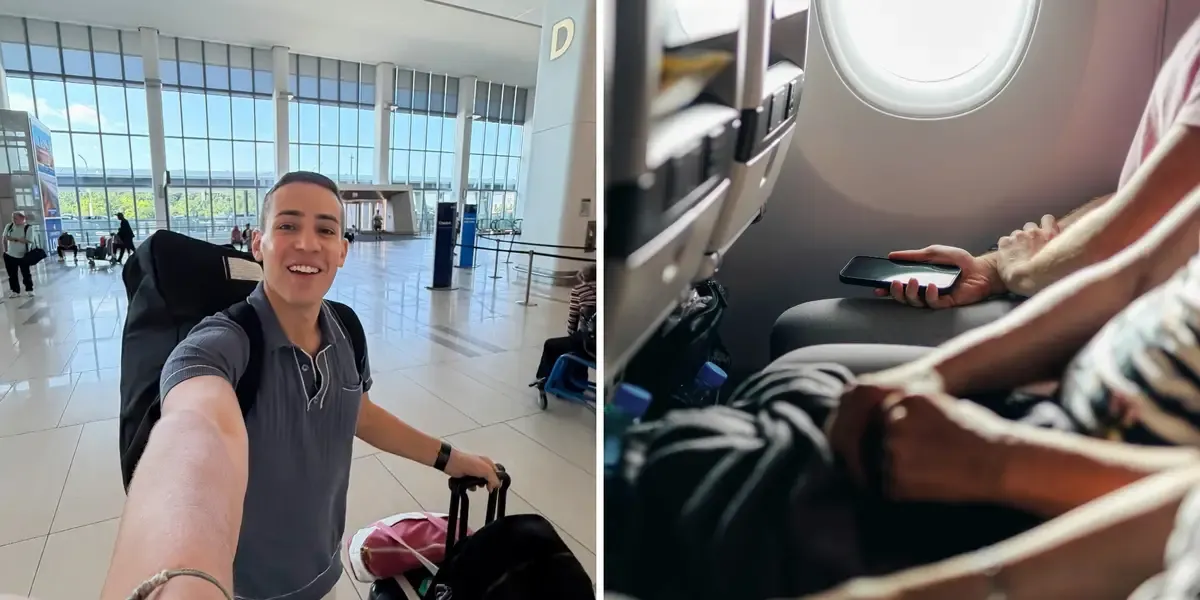
Flight expert Zach Griff shares why he always brings an extra phone in his carry-on backpack.
It's probably tucked away in a drawer, stashed in your desk or nightstand, beneath chargers, stray cords, and pieces of paper you don't think you're supposed to throw out but probably will never need again. You probably haven't thought about it since you put it there. But Zach Griff's old phone is in his carry-on backpack. Griff, a travel expert and author of the travel newsletter From the Tray Table, estimates that he flies an average of 150,000 miles a year. And for the past 11 years, he said, he's carried his retired cellphone with him around the world. Why you should always travel with 2 phones
This article is an excerpt. To read the full content, visit the original source. Business Insider
Related articles

Life rarely goes according to plan. Here’s how to get better at adapting - CTV News
AtlanticNova ScotiaNew BrunswickPrince Edward Island Newfoundland and LabradorCalgaryLethbridgeKitchenerGuelphNorthern OntarioSudburyNorth BaySault Ste. MarieTimminsOttawaKingstonBrockvillePembrokeReginaYorktonSaskatoonPrince AlbertTorontoWatchWeatherPeelHamiltonDurhamYorkHaltonNiagaraQueen's ParkToronto City HallIn PicturesVancouverVancouver IslandCanadaLocal SpotlightRoyal FamilyPoliticsNanosPower PlayQuestion PeriodFederal Election 2025WorldMideast ConflictRussia-Ukraine WarWatchLatestCaptured on CameraPoliticsLifestyleConsumerHealthExplainedEntertainmentTechnologyDeception DecodedAutosEnvironmentBusinessInflationReal EstateAutos

Life rarely goes according to plan. Here’s how to get better at adapting - CP24
Published: October 17, 2026 at 8:26a.m. EDTWill you get the job? What will the medical test results show? And what’s with that ominously vague email your boss sent? Uncertainty and change have always been challenging to handle, for some people more than others, said Michel Dugas, a psychology professor at the University of Québec in Outaouais. There’s also today’s rapid changes in politics, technology and more. We can all benefit from becoming more comfortable with not knowing, he said. “Uncertainty is a fundamental part of life, whether it’s our relationships, our health, our finances,” Dugas said. “Learning to be able to deal with not knowing is a fundamental skill for quality of life.”With effort, uncertainty can be not just tolerated, but embraced. “Wouldn’t that be kind of boring if you always knew what would happen?” he said. Why uncertainty bothers usDiscomfort with uncertainty exists on a continuum and changes with circumstances, said Nick Carleton, a psychology professor at the University of Regina in Saskatchewan, Canada. An unopened box may look exciting when it is surrounded by balloons, friends and the smell of cake.
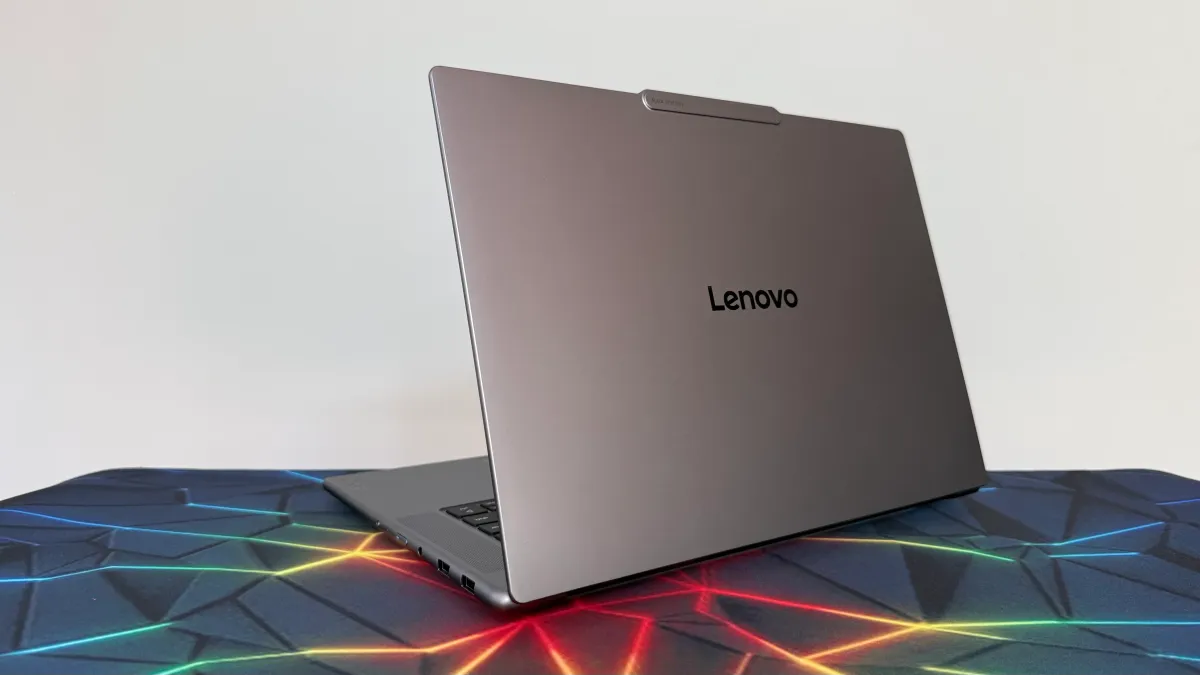
Lenovo Yoga Pro 7i Aura Edition Gen 11 Review: A Powerful Creative Tool at a Steep Price - CNET
Solid processor performance across the board Could benefit from a higher resolution display
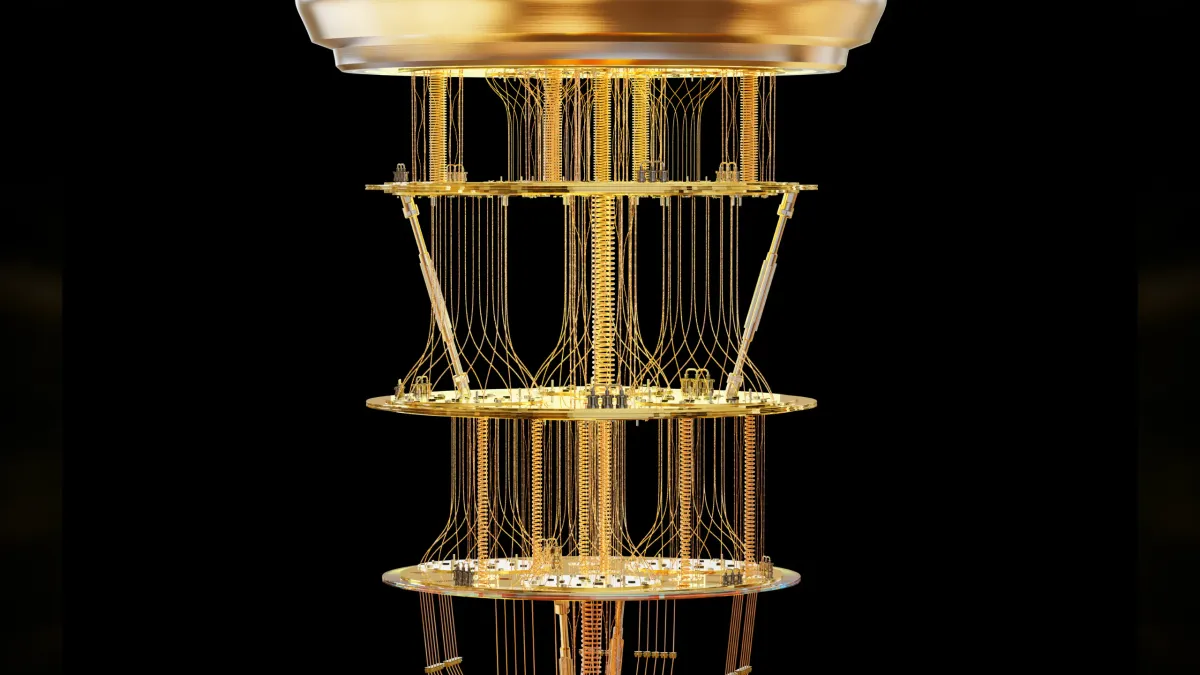
Best of Both Worlds: 'Hybrid' Quantum Computers Could Be Just Around The Corner, Researchers Say - ScienceAlert
For all their promise, quantum computers have a hard time modeling the interactions between the two families of building blocks that underlie our Universe – can you imagine a chef that struggles to describe how sugar and milk make cake? But researchers may have found a way to overcome this challenge by modeling a theoretical 'hybrid' quantum computer that promises to combine the best of both worlds. The fundamental particles that make up the cosmic cake of our existence are grouped as either fermions or bosons. In simplest terms, fermions are particles of matter, including electrons and protons, and bosons include force-mediating particles, like the photons (light) that carry the electromagnetic force. Quantum computers are great at modeling fermions, because they're more discrete, just like the qubits that power quantum computing.
0 comments
No comments yet. Be the first to share your thoughts!