'A completely different story': 300 million-year-old fossils reveal the first vertebrate land dwellers weren't what we thought, researchers claim - Live Science
This story deserves to be shared
Send it to someone who'd care, or post it on your networks.
This article is an excerpt. To read the full content, visit the original source. Live Science
Related articles
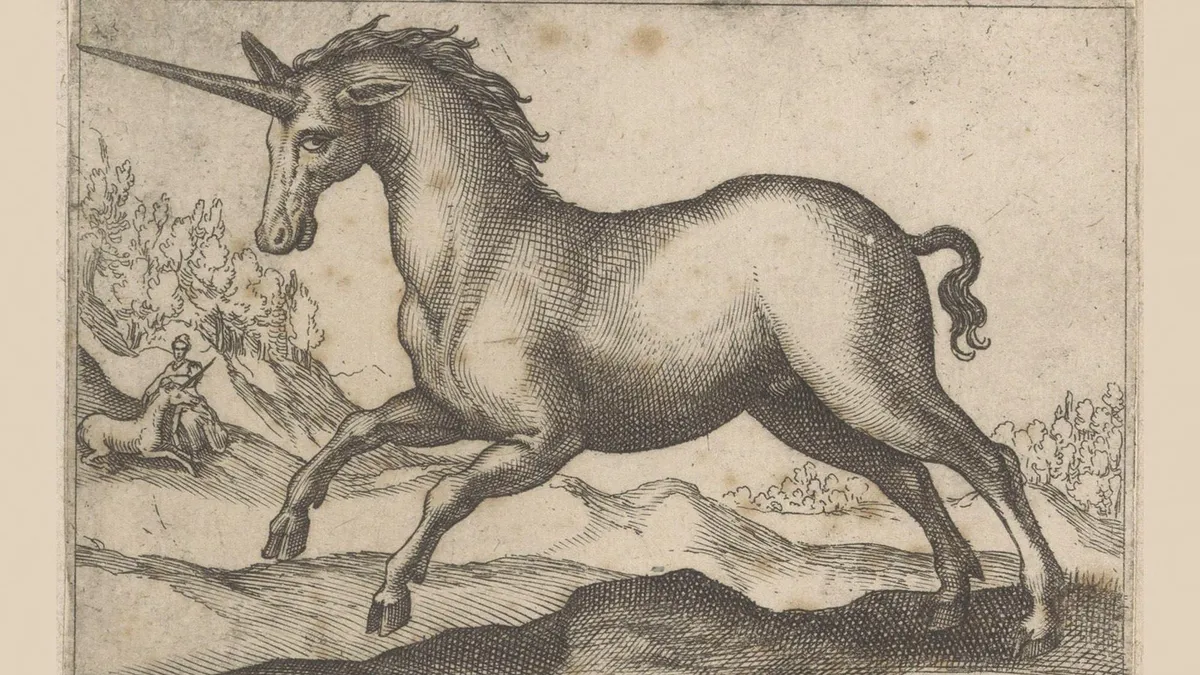
'Giant tusks from Siberia were thought to be the horns of the mythical unicorn': What medieval people made of fossils before vertebrate paleontology - Live Science
In this excerpt from "The Story of the Mammals in 25 Discoveries," author Donald R. Prothero looks at a time when the idea of extinction was blasphemous.
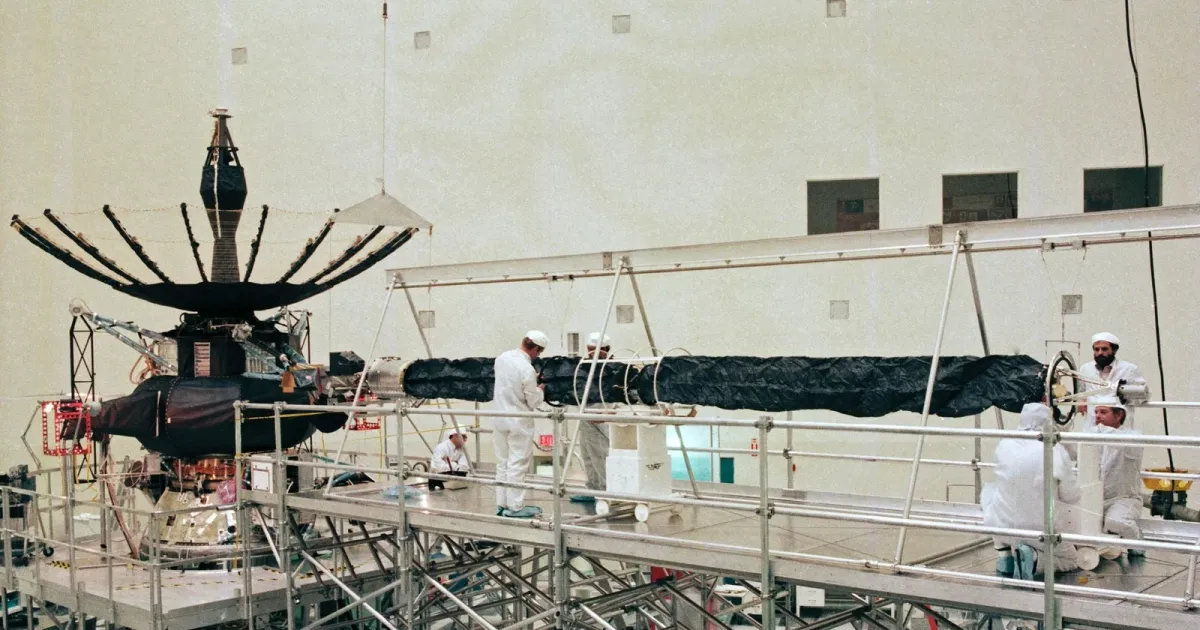
Galileo’s main antenna jammed on its way to Jupiter, leaving a small antenna that could manage about 10 bits per second instead of 134,400, so NASA rewrote its software and rebuilt how Earth listened - Make Tech Easier
In April 1991, NASA’s Galileo spacecraft was a year and a half into its journey to Jupiter when it ran the commands to open its main antenna. Minutes later, telemetry showed that the motors had stalled. The 4.8-meter, umbrella-shaped dish had only partly unfolded, and it never fully deployed. Without that antenna, Galileo’s best remaining link to Earth was a small low-gain antenna that could carry only a tiny fraction of the planned data. What followed was one of the more inventive rescues in spaceflight: engineers rewrote the spacecraft’s software to edit and compress its data, rebuilt how Earth listened for it, and replanned the science around a far smaller data budget.
0 comments
No comments yet. Be the first to share your thoughts!