7th “Encounter in Macao – Arts and Cultural Festival between China and the Portuguese-speaking Countries” successfully concluded showcasing the diverse charm of the integration of the East and Western cultures in Macao - 澳門特別行政區政府入口網站
This story deserves to be shared
Send it to someone who'd care, or post it on your networks.
This article is an excerpt. To read the full content, visit the original source. 澳門特別行政區政府入口網站
Related articles
AN UNEXPECTED FACE-TO-FACE ENCOUNTER WITH OUR HUMANITY - Gouvernement du Québec
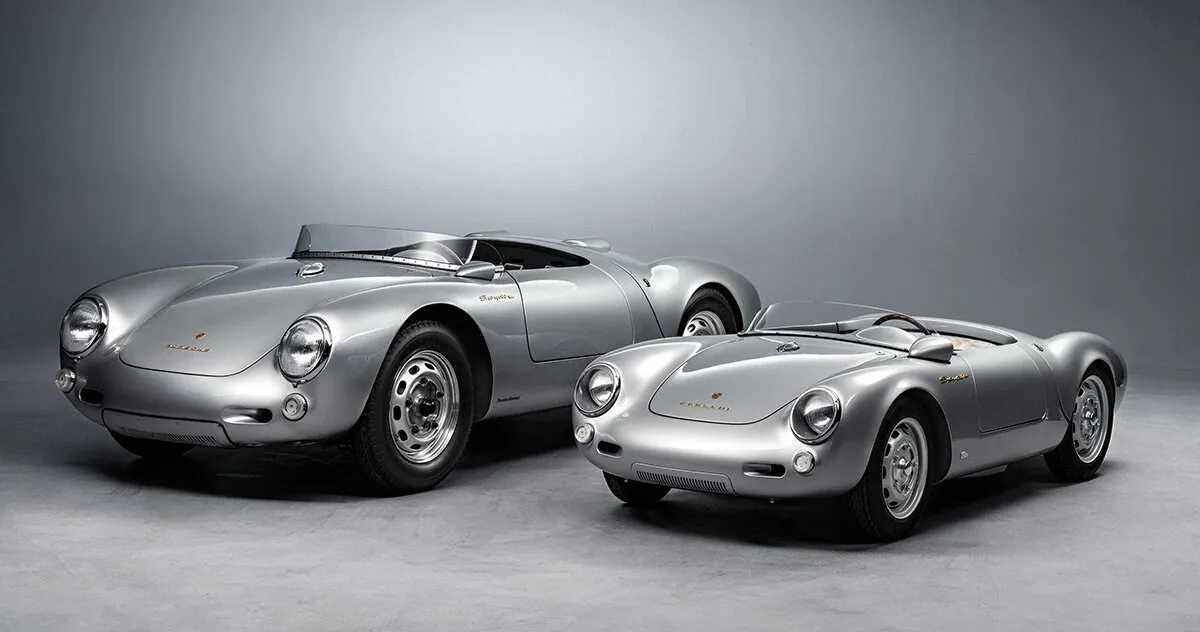
hedley studios shrinks the porsche 550 spyder into a handcrafted electric two-seater
porsche 550 spyder at 80 percent of its original sizeThere’s a tiny silver Porsche parked among a sunlit meadow in the English countryside. With its rounded rear fenders and tiny windshield, it’s quite similar to the 550 Spyder that Porsche raced in the 1950s. The proportions are familiar, but something is slightly off. This is the Porsche 550 J, a miniature, fully electric version of the historic race car, recreated by British manufacturer Hedley Studios at roughly 80 percent of its original size. Developed in collaboration with Porsche to celebrate 75 years of the company’s motorsport history, the 550 J is an officially licensed, handcrafted vehicle limited to 250 examples. The ‘J’ stands for ‘Junior,’ although the little roadster is large enough to accommodate two people. Measuring just 2.9 meters (9.5 feet) in length and 1.2 meters (3.9 feet) wide, it retains the low profile and flowing aluminum-like contours of its predecessor.the miniature Porsche 550 J’s silver bodywork recalls the original 1950s racer | images courtesy Porschea miniature tribute to porsche’s first purpose-built racing carThe original Porsche 550 Spyder holds a special place in the company’s history.
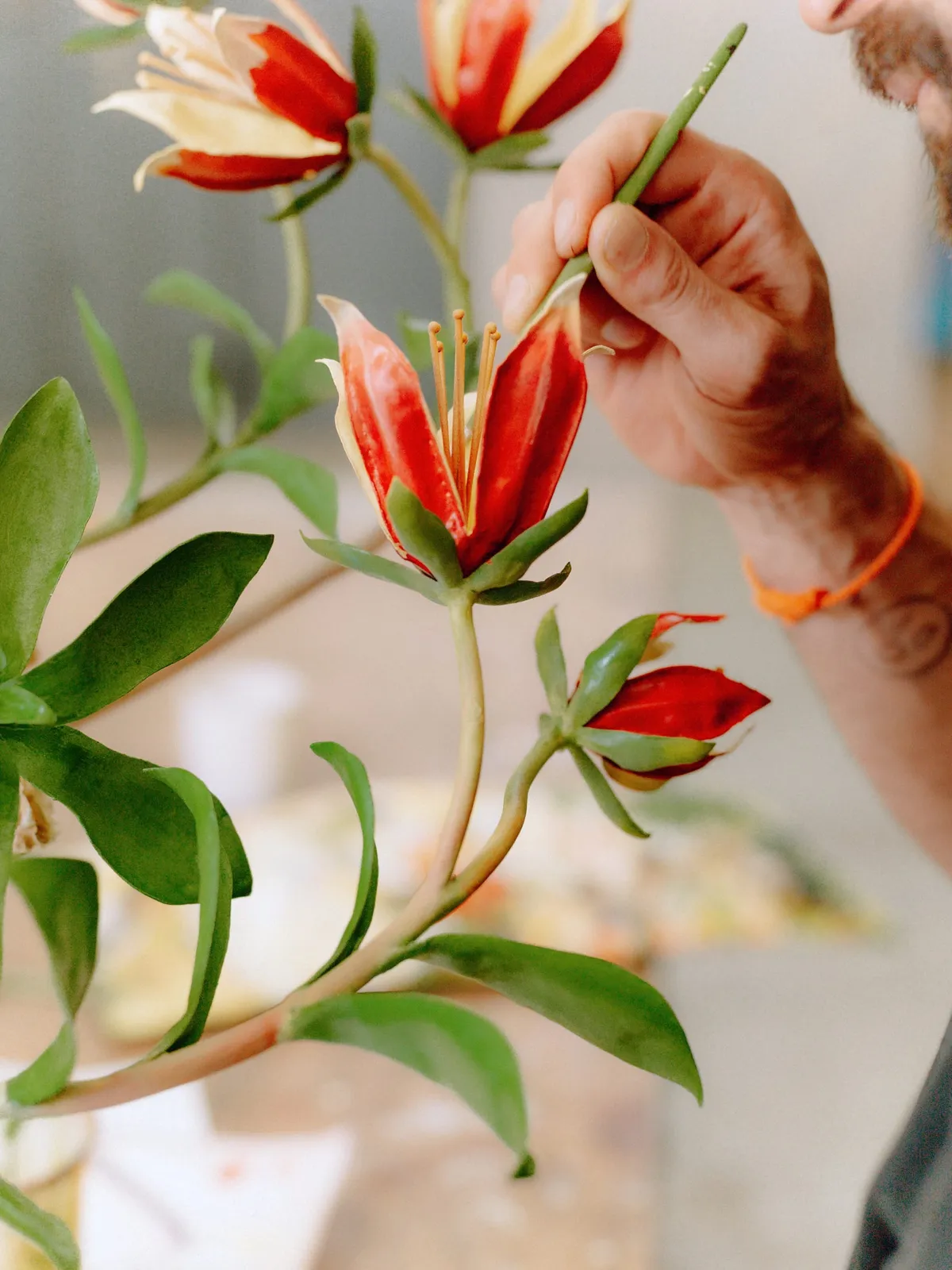
Álvaro Urbano Honors the Lost Specimens of Mexico City’s Iconic Casa Cueva
Nested in a natural lava cave in Mexico City’s Pedregal de San Ángel region, a sprawling, mosaic-laden domicile was once home to Juan and Helen Fowler O’Gorman, an architect and artist, respectively. The pair designed the icon of modernist Mexican architecture, called Casa Cueva, in 1954, although it was largely destroyed after the couple sold the home in 1969. At Museo Jumex, Álvaro Urbano presents an homage to the innovations of Casa Cueva, drawing on its gardens and the legacy that Helen left behind, particularly through her 1961 book titled Mexican Flowering Trees and Plants. Written and illustrated while she lived at Casa Cueva, the rich volume documented a variety of the region’s native specimens. For Urbano, these vegetal renderings became the basis of a new body of metal sculptures.
0 comments
No comments yet. Be the first to share your thoughts!