6 gear recommendations for home office and business travel - Journal of Accountancy
This story deserves to be shared
Send it to someone who'd care, or post it on your networks.
This article is an excerpt. To read the full content, visit the original source. Journal of Accountancy
Related articles
Arc’teryx Makes Only 5% of Its Gear in Canada. That Is the Point. - Business Model Analyst
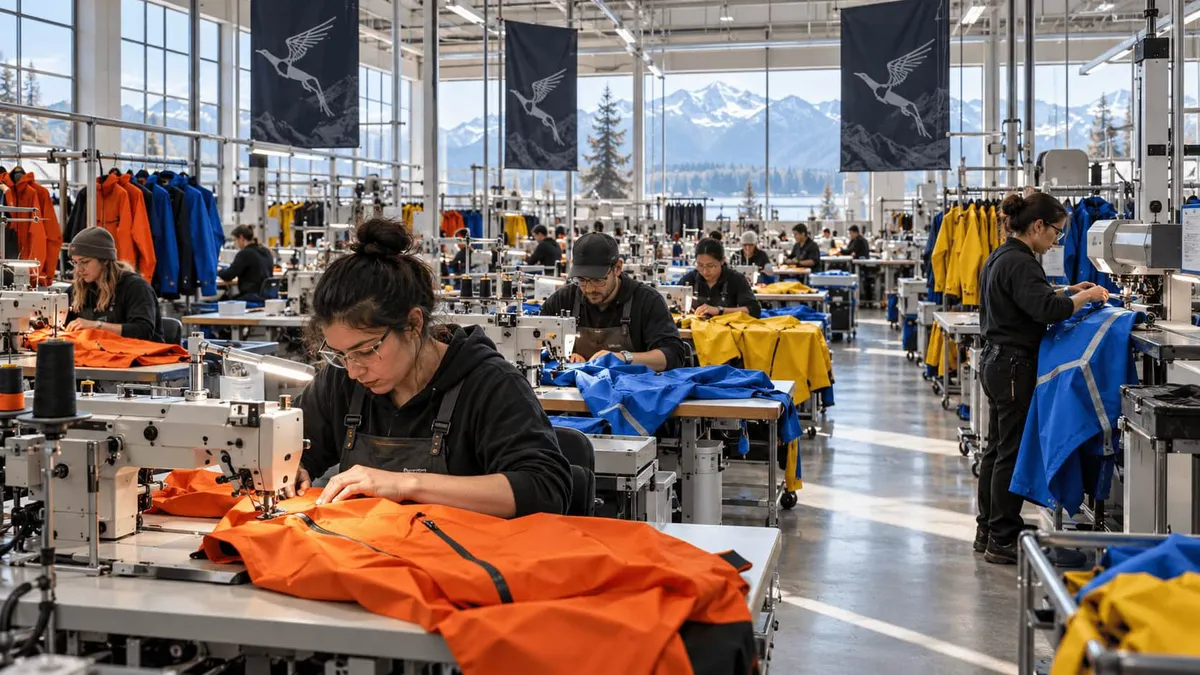
The Canadian factory everyone films is not where the jackets come from. It is where the standard comes from, and the standard is what scaled. Arc’teryx grew from roughly $500 million in revenue in 2019 to a Technical Apparel segment of $2.86 billion in 2025, about 5.7 times, while making only around 5% of its product at its own Canadian factory, ARC’One. Canada Goose, which makes nearly all of its down-filled outerwear in Canada, grew about 1.6 times over a comparable stretch with almost the same direct-to-consumer share. The difference is what each brand sells as provenance: Canada Goose sells a place, Arc’teryx sells a standard, and only one of those can be shipped to a partner factory. A $900 Arc’teryx Alpha SV jacket has more than 150 component parts from more than 35 suppliers. The Wall Street Journal went inside ARC’One, the brand’s factory in New Westminster, British Columbia, to film how it gets built, and the piece frames the rise from $500 million to $2 billion in revenue as a story about climbers, craftsmanship and “gorpcore,” the trend that turned technical shells into streetwear. The craftsmanship is real. It is also mostly somewhere else.
B.C. firms gear up for Canada’s next-generation submarine fleet - Business in Vancouver
Nasdaq futures gain as investors buy the dip in the AI trade: Live updates - CNBC
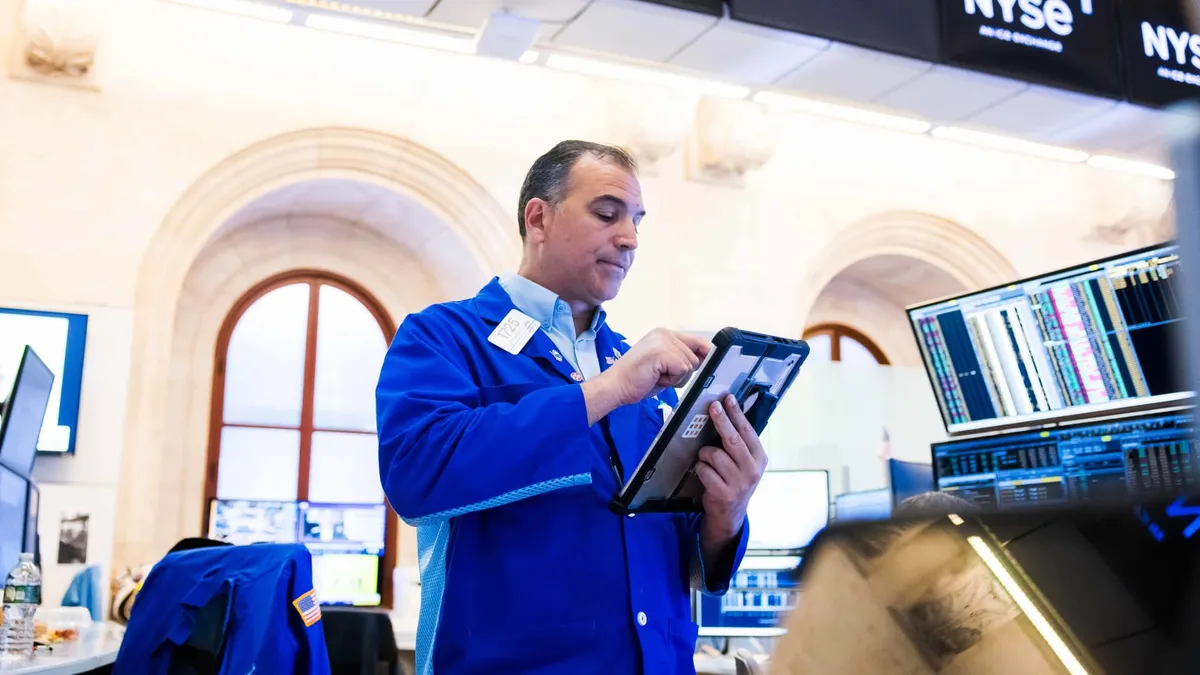
The S&P 500 lost nearly 2% last week, its biggest weekly decline since late June. The Nasdaq fell 4.5%, snapping a four-week winning streak.
China looks like it's dumping Treasury debt but may actually be stashing it in Canada and Belgium - Fortune
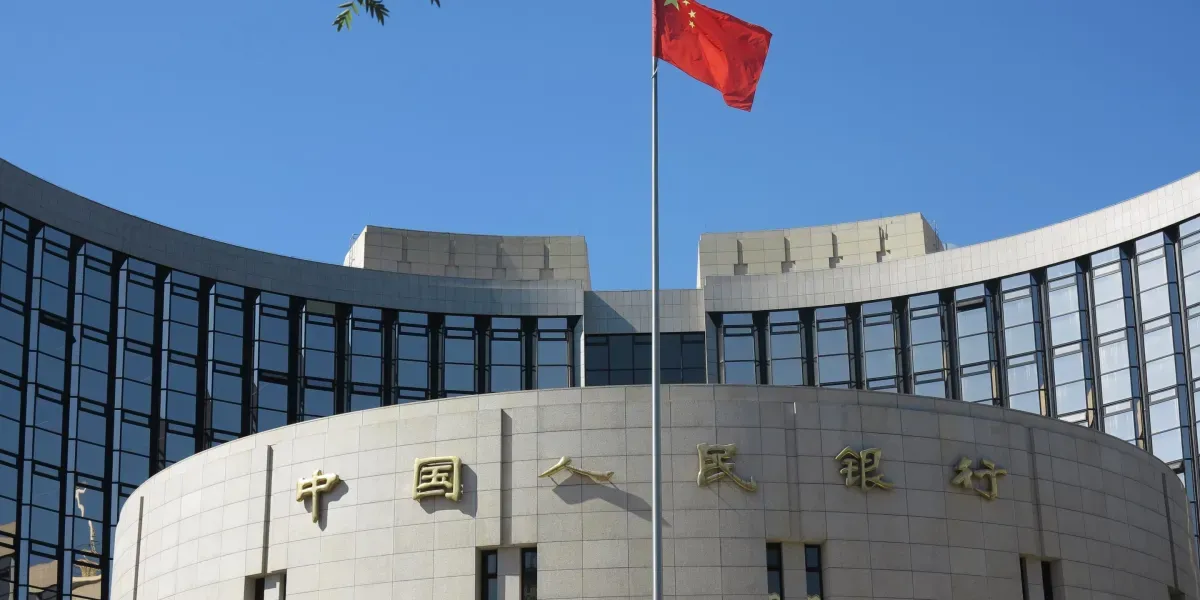
China was once the top holder of U. S. Treasuries but has been shedding its massive stockpile for years, fueling fears of de-dollarization, but official data may not fully capture Beijing’s actual portfolio. The decline began in earnest around 2021, but as recently as April 2022, China still held $1 trillion in Treasury securities. U. S. data on Friday show that’s been whittled down to just $591 billion as of August, the lowest in 18 years and down from $700 billion a year earlier.
0 comments
No comments yet. Be the first to share your thoughts!