4 Osteoporosis Symptoms a Doctor Monitors and the ‘Critical Window’ for Preventing Bone Loss - TODAY.com
This story deserves to be shared
Send it to someone who'd care, or post it on your networks.
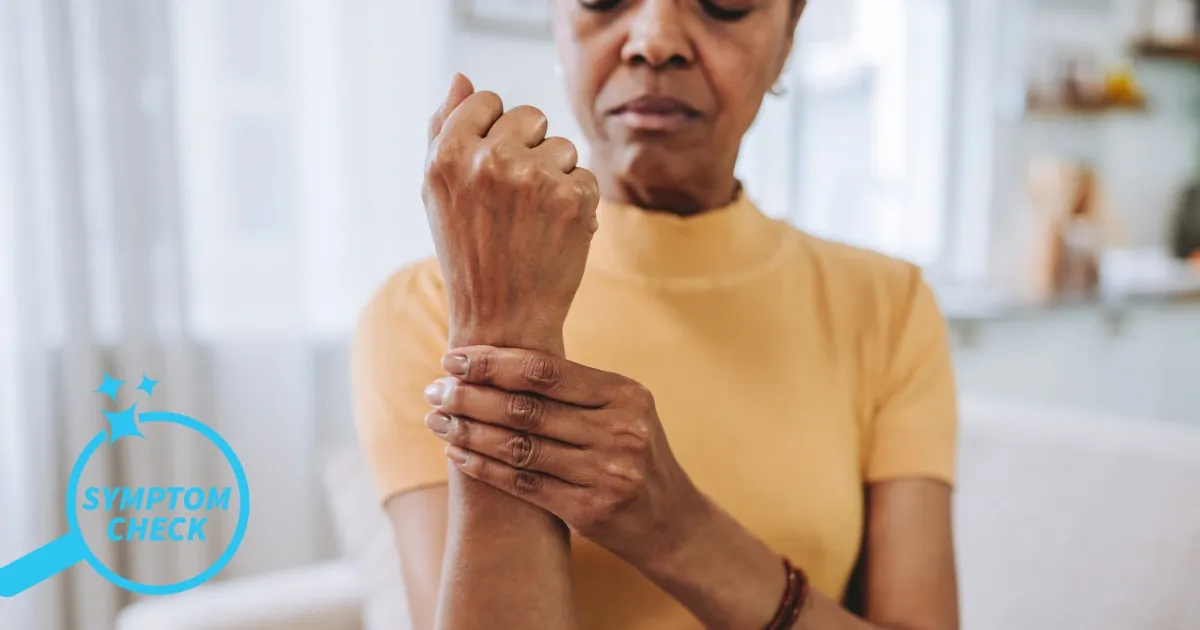
If you’re a woman in your 40s, it’s time to think about osteoporosis. The bone disease may bring to mind an elderly patient, but the process that weakens the skeleton and makes a person vulnerable to bone fractures starts much earlier. Rapid bone loss begins two years before menopause, which happens at age 51 on average for women in the U. S., says Dr. Jocelyn Wittstein, an orthopedic surgeon at Duke Health in North Carolina and co-author of “The Complete Bone and Joint Health Plan: Help Prevent and Treat Osteoporosis and Arthritis.”“That sharp decline of bone loss happens a little earlier than most people realize it’s happening,” Wittstein tells TODAY.com. The main trigger for women is the midlife decline of estrogen because estrogen protects bones — it inhibits the cells that break them down, she notes. From two years before menopause to about a decade after it begins, the average woman loses 10% of her bone density, but there are things women can do to alter that trajectory, the doctor adds. “There is a tremendous amount of data pointing to the fact that this is preventable through exercise, diet and hormone therapy,” Wittstein says.
This article is an excerpt. To read the full content, visit the original source. TODAY.com
Related articles

Continuous glucose monitors help type 2 diabetes patients spend 5 more hours a day in healthy blood sugar range - Medical Xpress
Continuous glucose monitors (CGMs) could transform diabetes management for millions of Americans with type 2 diabetes who don't take insulin, according to findings published in the New England Journal of Medicine. The clinical trial found that adults using CGMs spent approximately five additional hours each day within their target blood sugar range compared with those receiving routine care. Nearly twice as many CGM users also achieved an A1c level below 7%, a common treatment goal for people with diabetes.

How important is transition health in herds that manage reproduction with activity monitors? - Ag Proud
Home » Progressive Dairy — Canada » How important is transition health in herds that manage reproduction with activity monitors? Reproductive management that prioritizes estrus detection by activity monitors can achieve comparable pregnancy rates and profit to systematic timed-A. I. programs, but this varies among herds. It can allow high estrus detection rates for re-insemination, and a proportion of cows can be bred based on estrus for first insemination, reducing the handling required in synchronization protocols. However, the probability of a cow being inseminated in estrus detected by activity monitors is associated with their health status during the transition and voluntary waiting periods. For all reproductive management programs, cows with health disorders have lower fertility than their healthy herdmates. Professor and Director of Dairy / University of GuelphRelatedImpact of diseases on estrus detectionThe first step to have a successful reproductive program based on activity monitor estrus detection is detecting cows in estrus.

Virtual e-health system safely monitors cardiac devices and cuts costs - News-Medical
A virtual e-health system (VIRTUES) was as safe and effective as standard care for monitoring the function of cardiac implantable electronic devices, with the benefit of cost savings and patient satisfaction. These were the main findings of the VIRTUES trials presented in a Hot Line session today at ESC Congress 2026. The use of pacemakers and implantable cardioverter defibrillators (ICDs) is increasing due to expanding indications and the aging population. Principal Investigator, Professor Ratika Parkash from Dalhousie University, Halifax, Canada, explained why the VIRTUES PM and ICD trials were carried out: "Globally, around 1.25 million people are implanted with devices like pacemakers every year. It is important to follow these patients over their lifetimes to check their devices are working well; however, this entails regular visits to specialist clinics, which can be burdensome for the patient and healthcare system. "
0 comments
No comments yet. Be the first to share your thoughts!