300+ mm: Tropical Storm Moke threatens flooding rains in Hawaii
This story deserves to be shared
Send it to someone who'd care, or post it on your networks.
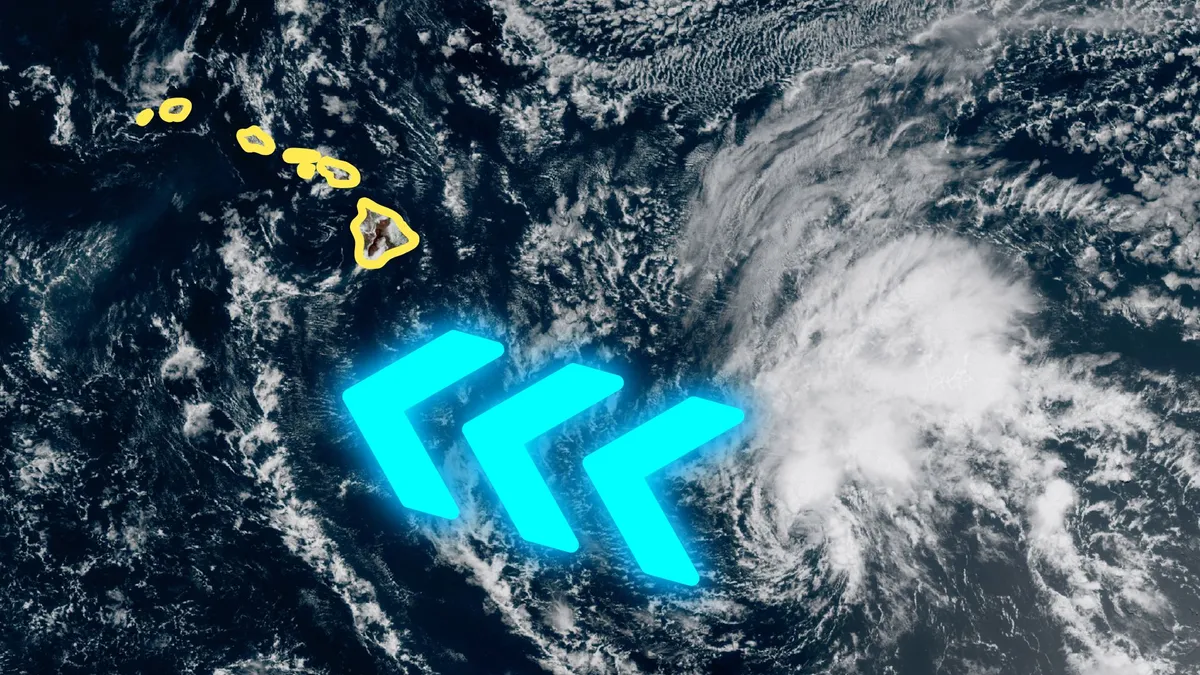
Tropical Storm Moke may bring additional dangerous weather to Hawaii on Sunday, just days after Hurricane Lala brought extreme rainfall and damaging winds to the island chain. Forecasters expect significant impacts on the Big Island despite Moke’s core likely tracking far south of the Pacific archipelago. DON’T MISS: What’s the difference between hurricanes, typhoons, and cyclones? Folks across Hawaii continued cleaning up this week after Hurricane Lala brought flash flooding, landslides, and wind damage to the islands last weekend. One community on the Big Island saw more than 1,100 mm of rain from Lala as it swiped the region. Additional heavy rainfall is expected as Tropical Storm Moke grows organized about 500 km south of Hawaii. The U. S. National Hurricane Center (NHC) predicts Moke to remain at tropical storm strength over the next several days as it moves west and tracks south of the Hawaiian Islands. Numerous hazards are expected as the tropical storm passes through the region. Content continues belowVery heavy rainfall is the greatest threat, with totals potentially hitting up to 380 mm locally on the Big Island.
This article is an excerpt. To read the full content, visit the original source. The Weather Network
Related articles
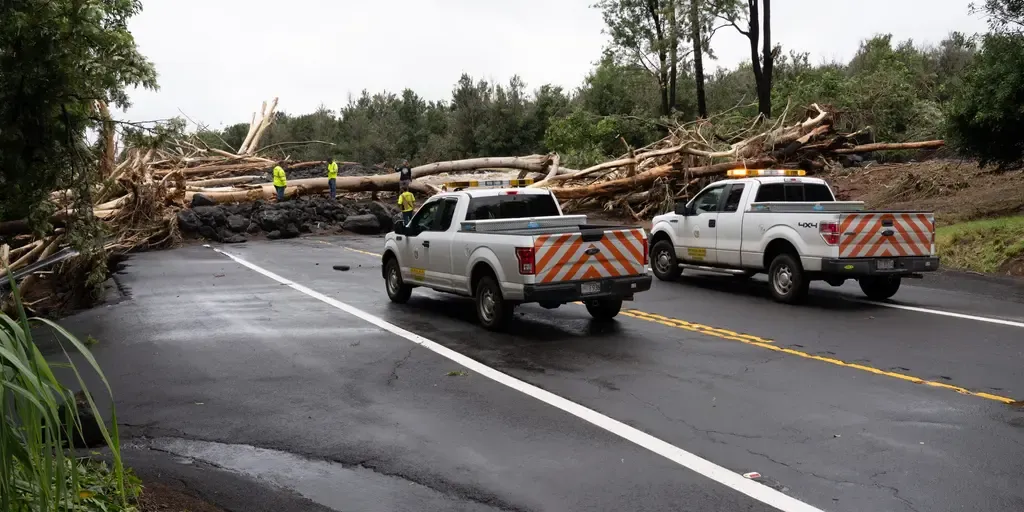
Tropical Depression Moke threatens Hawaii with flooding as Pacific activity surges amid strengthening El Niño
THE TAKEAWAYHawaii appears to have dodged the worst of Tropical Depression Moke, but flooding is still possible. The Eastern Pacific is teeming with tropical activity, including Tropical Storm Iselle. Warm waters of the Central and Eastern Pacific are very favorable for tropical development amid strengthening El Niño. Tropical Depression Ten-E has formed in open waters in the Pacific. HONOLULU — Tropical Depression Moke is lashing Hawaii's Big Island with downpours and gusty winds, with additional rainfall capable of producing another round of flash flooding as the storm's center passes a few hundred miles south of the state. FOX Weather Senior Correspondent Robert Ray reported that cleanup is still ongoing across parts of the Big Island after Hurricane Lala dumped nearly 3 feet of rain in some places last week, destroying homes and businesses, and causing widespread power outages.
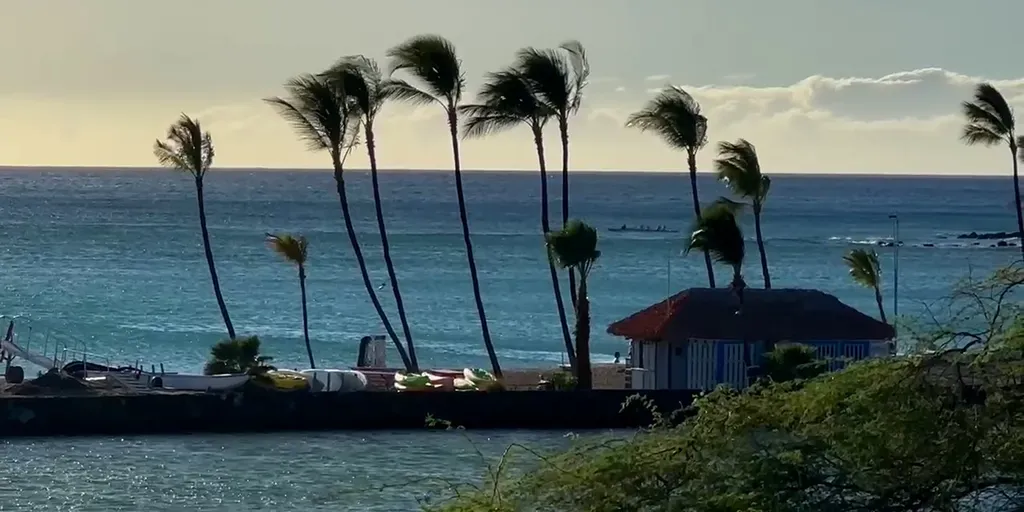
Tropical Depression Moke unleashes heavy rain, dangerous winds as flash flood threat grows in Hawaii
Pacific heats up with three tropical storms and three areas to watch The Pacific is lighting up with active storms and areas to watch. Tropical Storm Moke is bringing heavy rainfall to Hawaii, while newly formed Tropical Storm Iselle marks the ninth named storm of the year. There are also two additional areas of tropical interest: Invest 91E and another area to watch. HONOLULU — Just days after Hurricane Lala hammered the Hawaiian Islands, Tropical Depression Moke will make a close pass by the Big Island and unleash a dangerous triple threat of heavy rain, flooding and damaging winds. Tropical Depression Moke formed Friday in the central Pacific, and has since slightly strengthened with maximum sustained winds of 35 mph and a minimum central pressure of 1004 millibars, according to the National Hurricane Center (NHC). Tropical Storm Moke stats.(FOX Weather) Formerly known as Tropical Depression Two-C, Tropical Depression Moke is located about 320 miles southeast of Hilo, Hawaii, moving west-northwest at 15 mph. In their 11 a.m.
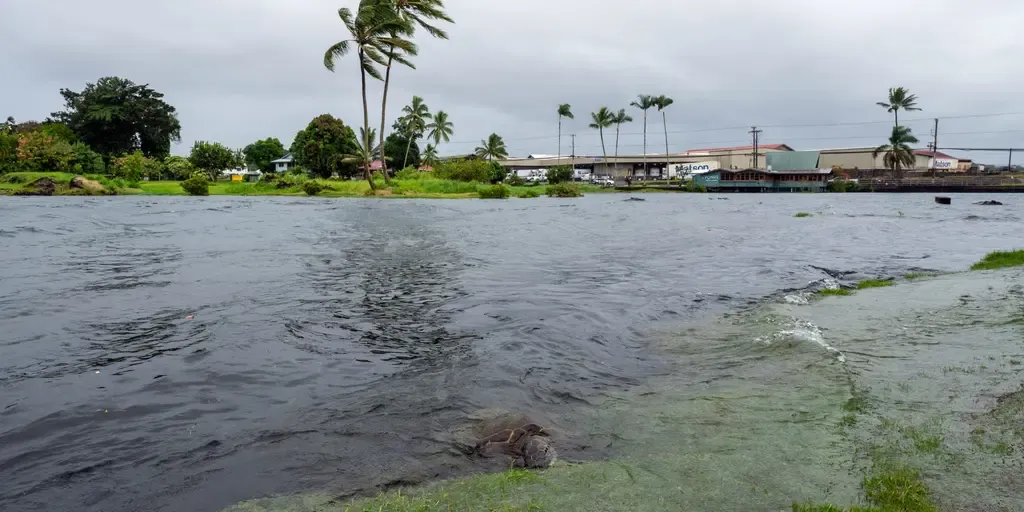
Tropical Storm Moke unleashes a rare back-to-back threat, driving up the flood danger for the Big Island
Tropical Storm Moke to approach Hawaii’s Big Island with growing flood threats Tropical Storm Moke targets the Big Island of Hawaii on Sunday with mounting flood risks in a rare back-to-back threat for the state. As it makes its closest approach to the island, over a foot of rain is possible in some areas, accompanied by strong gusts. FOX Weather Meteorologist Melanie Black breaks down Moke’s tracking and impacts:THE TAKEAWAYHawaii faces a rare tropical threat for the second time in two weeks. Tropical Depression Two-C strengthened into Tropical Storm Moke on Friday. Hawaii's Big Island is once again in the bull's-eye for heavy rain after Hurriane Lala dumped nearly 3 feet of rain last week. HONOLULU — Hawaii, which rarely sees tropical activity, is facing its second tropical system in two weeks as Tropical Storm Moke tracks toward the Islands, on the heels of the torrential rain Hurricane Lala brought last week. The system is expected to dump another round of heavy rain on the Big Island, in particular, as well as other islands across the state on Sunday.
Bryan Norcross: Tropical Storm Moke's rains arrive in Hawaii late tonight, plus an Atlantic system to watch
Tropical Storm Moke forms, threatening tropical downpours and flash flooding in Hawaii Tropical Storm Moke is heading near the Hawaiian Islands, bringing another round of heavy rain and flooding just a week after deadly Hurricane Lala slammed the Big Island. The National Hurricane Center is forecasting 5 to 10 inches of rainfall, with some areas receiving up to 15 inches. Stay with FOX Weather for the latest LIVE coverage in Hawaii from Senior Correspondent Robert Ray. Updated at 9:15 A. M. ET on Saturday, August 22nd 34 YEARS AGO TODAYAt 5:00 AM August 22, 1992, Andrew became a 75-mph hurricane. That morning, we had no idea, of course, that it would make landfall in South Florida exactly 48 hours later. The forecast early that Saturday morning still called for the storm to turn north in the general direction of Central or North Florida. Although the National Hurricane Center discussion mentioned the possibility of Andrew tracking farther south and impacting the Northern Bahamas. We didn't take a hurricane forecast as literally back then as we do now.
Lala, Moke to be most impactful back-to-back Hawaii storms
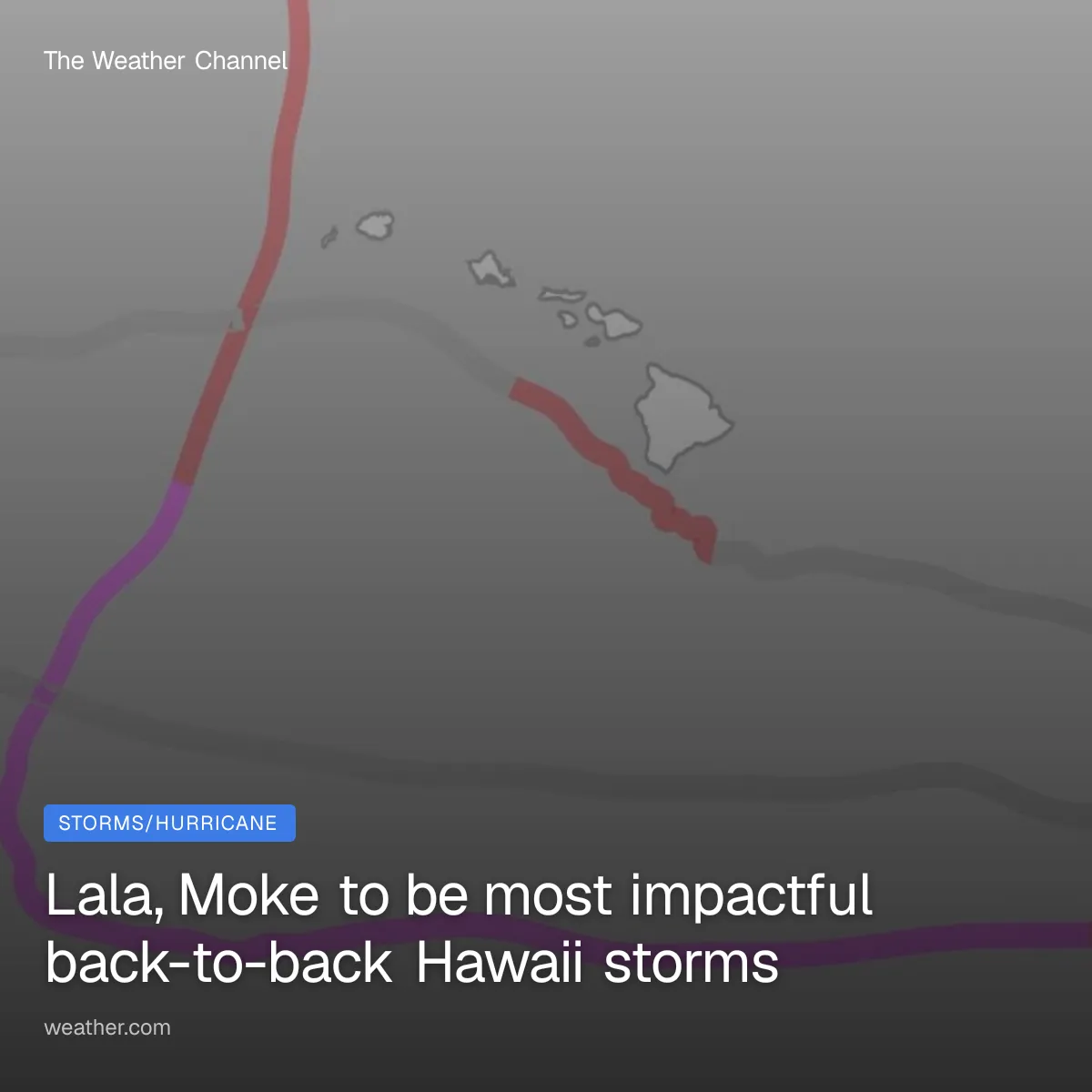
Tropical Storm Moke and Hurricane Lala will likely be the most impactful back-to-back storms to have affected Hawaii within about a week's time in records since the mid-20th century. Lala, then MokeLast weekend, Hurricane Lala lashed the Big Island with up to 43 inches of rain and damaging winds, leading to destructive flooding and landslides that washed out roads and flooded some communities. Tropical Storm Moke will then make its closest pass to Hawaii about a week after Lala, with more locally heavy rain possible, including the flood-ravaged Big Island. Both systems have been juiced by a rapidly strengthening El Niño, which often results in more active Central Pacific hurricane seasons. This is a rarity for HawaiiPoring through NOAA's database, we found only one other time since 1950 that Hawaii was affected by two tropical storms or hurricanes within a week's time. That was 10 years ago. Get More of Our News on GoogleSet The Weather Company as a 'Preferred Source' to get quicker access to the news you value. In 2016, Hurricane Madeline weakened to a tropical storm, then brushed south of the Big Island from August 31 to September 1.
Orionid meteor shower 2026: cloud cover forecast by region
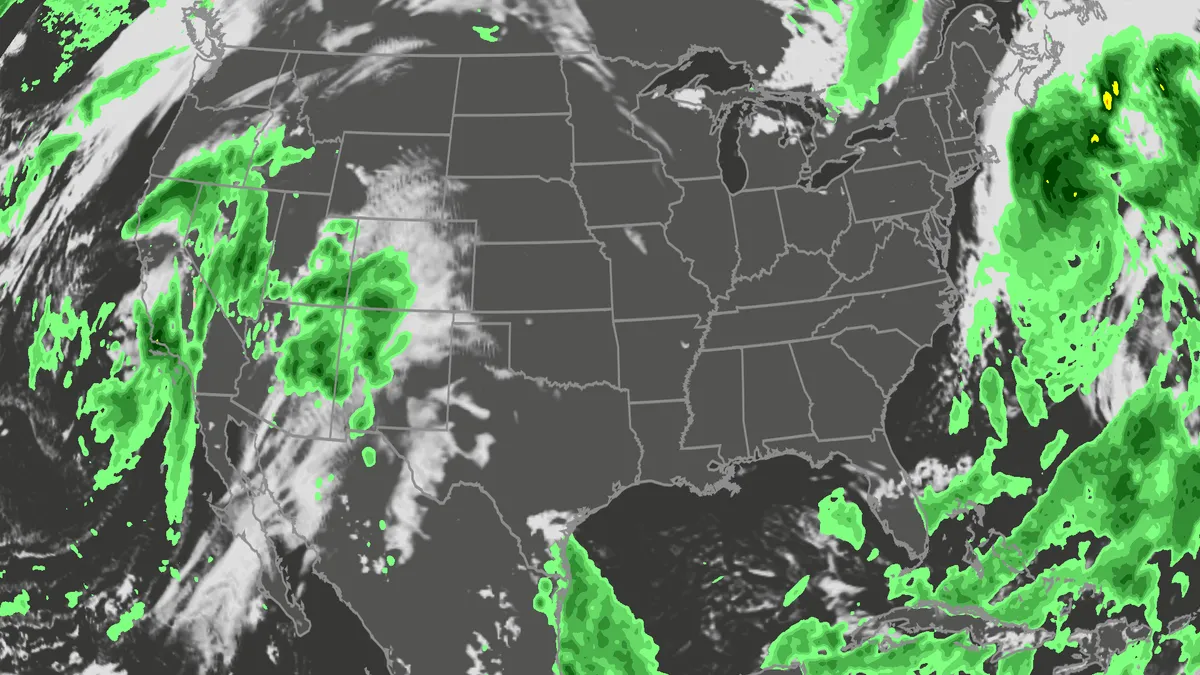
A meteor streaks across the sky over a desert in China during the Orionid meteor shower on Oct. 22, 2023.(VCG/VCG via Getty Images)The Orionid meteor shower is peaking this week, and it promises to be one of the most dazzling displays of the year. And while some of you will have clear skies, rain and clouds could impact the view for others. Here's what you need to know about the Orionids and your forecast:Fast factsPeak day: The meteor shower peaks Wednesday night, Oct. 21, into the early hours of Thursday morning, Oct. 22. Peak time: From midnight to dawn are the best hours to catch the meteors streaking through the sky, so plan on a late night or really early morning. What the Orionids are known for: The Orionid meteors are known for their brightness and their speed. As they streak across the sky at around 41 miles per second, the meteors leave behind a glowing "train" that can last several seconds to minutes. While you can make the perfect plan to catch the Orionids, the key to stellar viewing is still in Mother Nature's hands. The good news is that many of you should have good meteor shower-watching conditions. Much of the central and eastern U. S.
0 comments
No comments yet. Be the first to share your thoughts!