30 beluga whales rescued from closed Marineland Canada
This story deserves to be shared
Send it to someone who'd care, or post it on your networks.

Largest marine mammal rescue in history: beluga whale editionThirty beluga whales, a closed marine park and a ticking clock. That’s the very real scenario the beluga whales living at Marineland Canada found themselves in when the park closed in 2024 and could no longer take care of its residents. The whales faced the threat of euthanasia if they could not safely be relocated. Enter the heroes of our story: Representatives from Association of Zoos and Aquariums accredited aquariums, along with their respective governments, teamed up to safely transport all 30 whales to aquariums in the United States and Spain in the largest marine mammal rescue and transport mission in history.'Air Beluga'The logistics that have to go into a project like this can’t be overstated. Cooperation was necessary every step of the way between the aquariums and the Canadian, Spanish and U. S. governments to pull off a mission of this scale. That scale was amplified not only by the sheer number of animals needing transportation, but also by the fact that beluga whales are extremely large, heavy animals.
This article is an excerpt. To read the full content, visit the original source. The Weather Channel
Related articles

Drivers rescued in Phoenix as flash flooding hits Southwest
Watch drivers fight through dangerous New Mexico flash floodsA surge of tropical moisture is turning parts of the Four Corners into a flash-flood zone, with heavy rain, flooding and water rescues reported across Arizona and New Mexico. Arizona impactsIn and around Phoenix, flooded roads caused major problems Tuesday morning, including several water rescues by Maricopa County Sheriff's deputies. Officials initially received reports that two box trucks had been swept away by floodwaters. When deputies arrived, they found one truck had been carried into a wash. The driver managed to escape safely and was not injured. Deputies also responded to a 911 call from a driver who attempted to cross a flooded roadway and became stuck. The driver was safely led out of the vehicle. Later, authorities rescued a man who had climbed onto the roof of his vehicle after becoming trapped in a wash.(MORE: Elderly couple rescued from flooding by helicopter)Get More of Our News on GoogleSet The Weather Company as a 'Preferred Source' to get quicker access to the news you value.

Beluga rescued from closed Ontario park dies in California - CP24
SAN DIEGO — A California aquarium says a beluga rescued from Marineland in Ontario has died, adding to the number of deaths of animals relocated over the summer from the now-closed Canadian facility. SeaWorld San Diego says in a Facebook post that Cyprus, a nine-year-old male beluga that arrived at the park on Aug. 22 stopped eating on Friday, and an ultrasound later determined the animal’s intestinal tract did not appear to be functioning normally. It says Cyprus had been doing well since his arrival, eating consistently and interacting with his trainers and animal care team, along with two other rescued belugas. But it notes belugas can mask discomfort or underlying concerns that are not immediately visible, and it says a full necropsy will be conducted. Beluga whales swim before being transported by a group of experts from Marineland and U. S. aquariums onto a truck via a sling at Marineland in Niagara Falls, Ont., on Wednesday, Aug. 12, 2026. THE CANADIAN PRESS/Carlos Osorio Beluga whales swim before being transported by a group of experts from Marineland and U. S. aquariums onto a truck via a sling at Marineland in Niagara Falls, Ont., on Wednesday, Aug. 12, 2026.
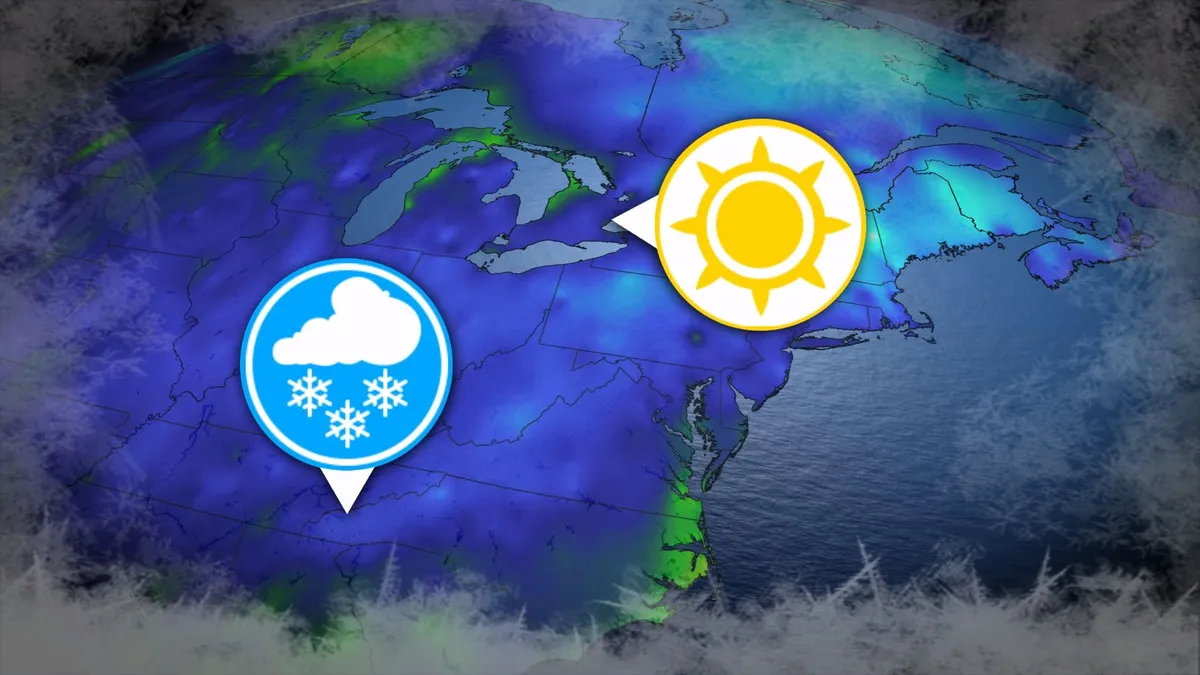
Where’s the frost? Southern U.S. hits freezing before Toronto, Montreal
Toronto and Montreal have remained above the freezing mark every day for almost six months. While frosts and even some snowflakes have intruded across parts of Ontario and Quebec in recent weeks, the two cities have yet to reach that magic number. What’s even more remarkable is that a handful of communities across the southern United States have already dipped to the freezing point--and some have even seen accumulating snowfall. DON’T MISS: Official: Canada records first -30°C reading of the seasonThe last time we saw a freezing temperature in either Toronto or Montreal was the second-to-last week of April. Toronto hit -1.3°C early on April 20, while Montreal dipped to -2.0°C the following morning. Our average first frost in both cities occurs right around the middle of October. But warmer-than-normal years can see this milestone slide several weeks past due. Montreal once had to wait 207 consecutive days for its first frost, with the city’s first subfreezing temperature in 2017 waiting until Nov. 7. The latest Toronto’s had to wait to hit the zero-degree mark was Nov. 13, 2022.
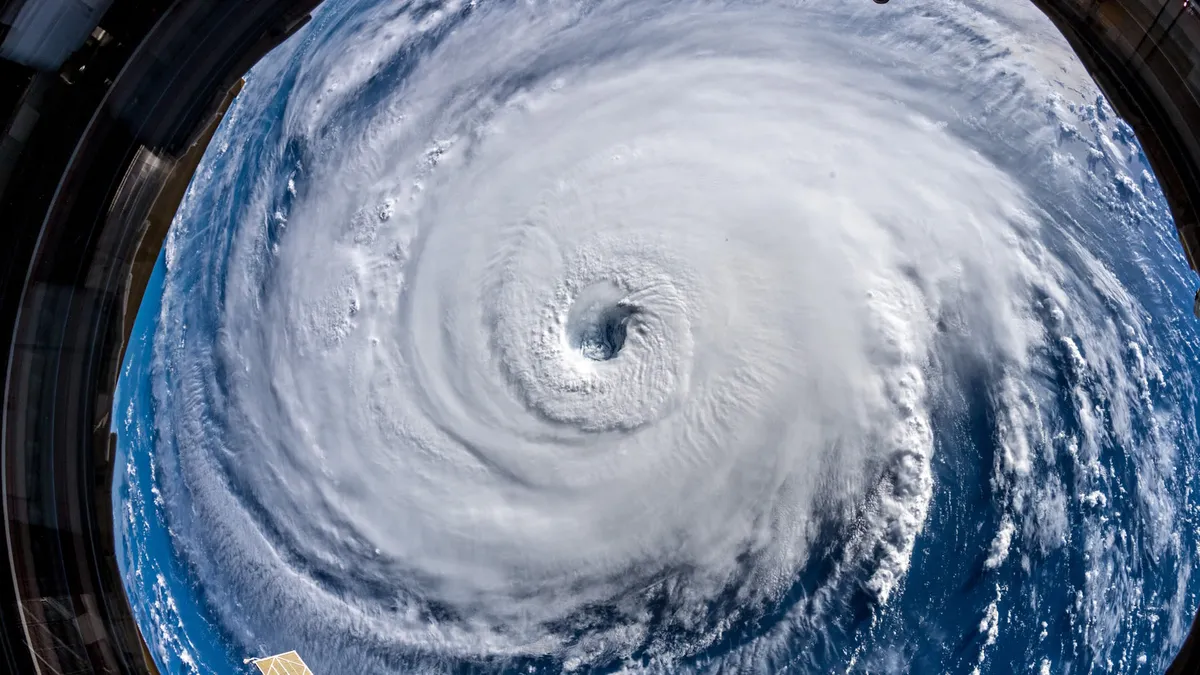
345 km/h: Meet the world’s strongest tropical cyclones
Tropical cyclones top the list of nature’s most powerful storms. Larger than tornadoes and more intense than any single thunderstorm, these systems can change the landscape when they swirl ashore. A handful of tropical cyclones take full advantage of their surroundings to achieve the apex of their potential, the strongest storms nature can produce. DON’T MISS: What’s the difference between hurricanes, typhoons, and cyclones? Tiny fraction of storms achieve upper limitsOnly about 4 per cent of all the world’s recorded tropical cyclones have reached the equivalent of Category 5 strength. Most tropical cyclones are relatively weak and short lived because it’s tough for all the necessary ingredients to align just right. But explosive development can result when all those factors come together in perfect harmony. Strongest Winds: Hurricane PatriciaAn exceptionally favourable setup off the western shores of Mexico in late-Oct. 2015 allowed Hurricane Patricia to grow into the world’s strongest hurricane since reliable observations began in 1966.
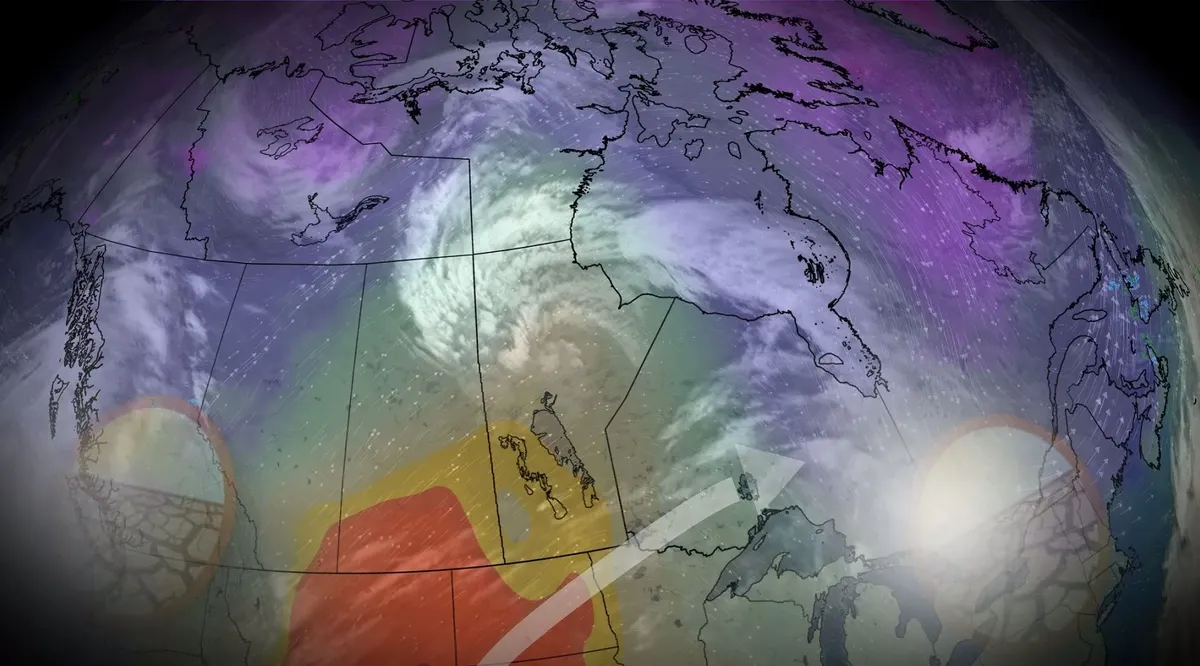
Canada, where did all the fall storms go?
While there have been some weather hiccups in October across Canada, one commonality is the lack of fall storms. The month has brought a very different flavour to parts of the country, compared to September's weather. October started with summer-like warmth in Ontario and Quebec, while the West endured some chilly temperatures. That pattern has since flipped. But there haven't been many of your typical fall storms this season, making for a super-dry pattern in many areas in Canada. Let’s dive into why the storms are absent so far. DON'T MISS: What does a classic fall storm look like in your part of Canada? What fuels fall storms? A split flow, in which the jet stream literally splits in two, will prove a prominent feature during the second half of October, promoting a less-consolidated jet stream that would otherwise impact the coast of British Columbia throughout autumn. Some of that energy is being redirected down toward California, a change that’s significantly affecting our weather patterns across Canada.
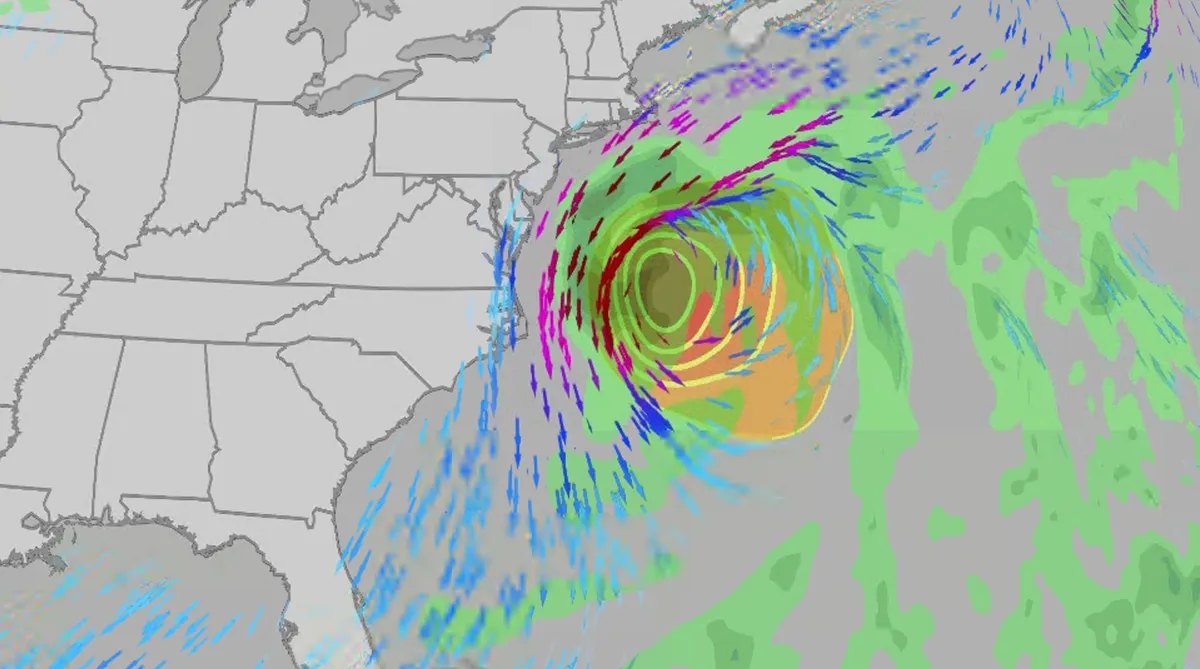
Nor' easter to bring coastal flooding, winds to East Coast
An October nor'easter is developing in the Atlantic, where it will bring high surf, rip currents, coastal flooding, winds and rain to parts of the East Coast for several days this week. The National Hurricane Center has it highlighted as an area to watch this week for potential subtropical development. However, regardless of development, this system will bring dangerous conditions to the East Coast this week. Fortunately, this system doesn't look to be as strong as the one in September. But the bad news? It could linger for much of the week, so impacts could have a longer duration than you would think. There are currently coastal flood alerts across parts of coastal North Carolina and Virginia, where anywhere from 1 to 4 feet of inundation is possible. Key takeawaysWe do not expect this storm to be as strong as the late September nor'easter. The area most likely impacted the longest appears to be from the Delmarva Peninsula to eastern North Carolina, with more models pointing to primarily eastern North Carolina.
0 comments
No comments yet. Be the first to share your thoughts!