2,000-year-old scrolls buried by Mount Vesuvius eruption finally deciphered with help from AI - Live Science
This story deserves to be shared
Send it to someone who'd care, or post it on your networks.
This article is an excerpt. To read the full content, visit the original source. Live Science
Related articles
Mount Vesuvius Buried These Scrolls for 2,000 Years – Now Scientists May Read Them - SciTechDaily
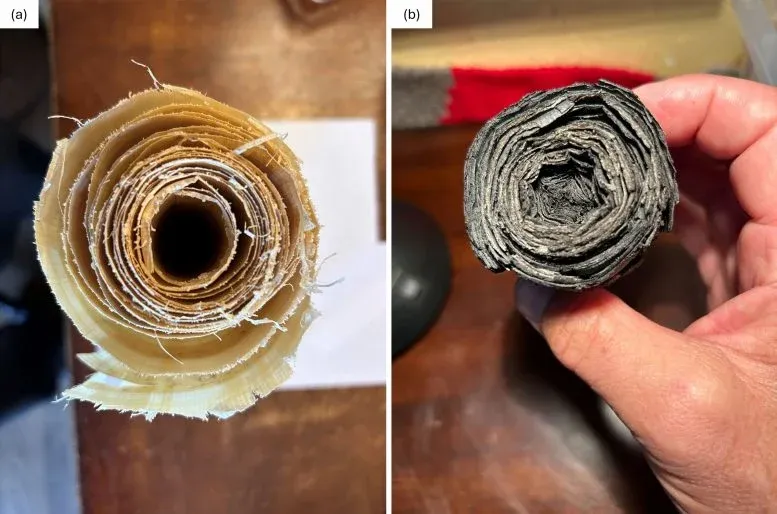
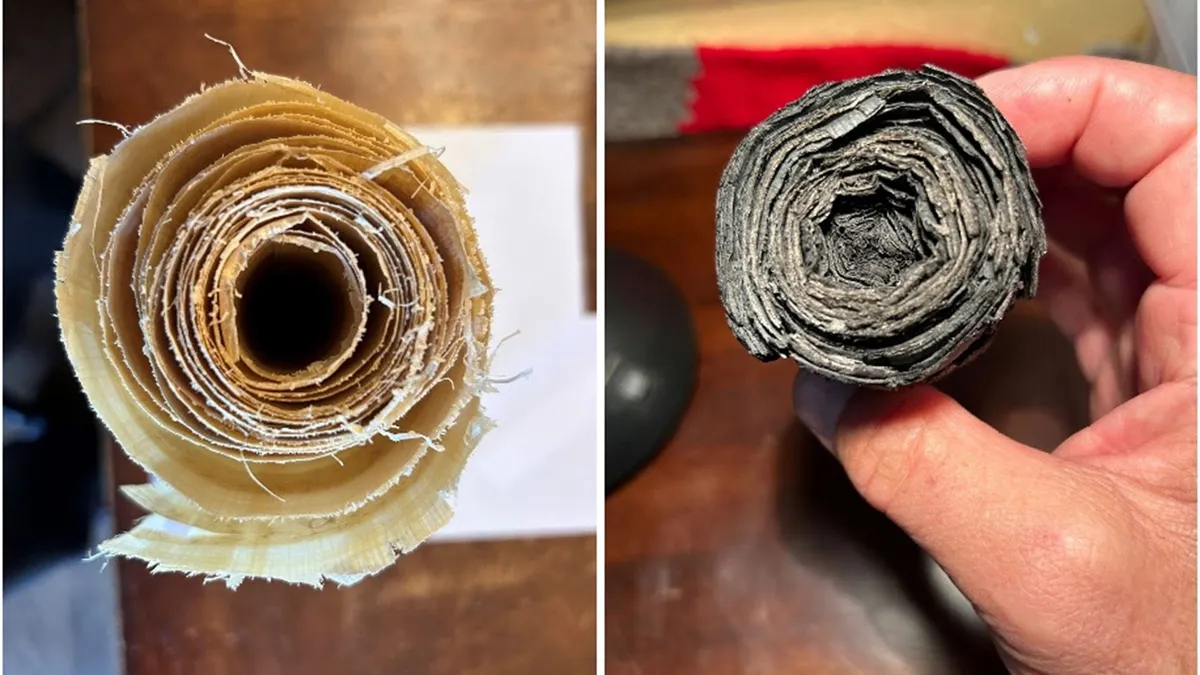
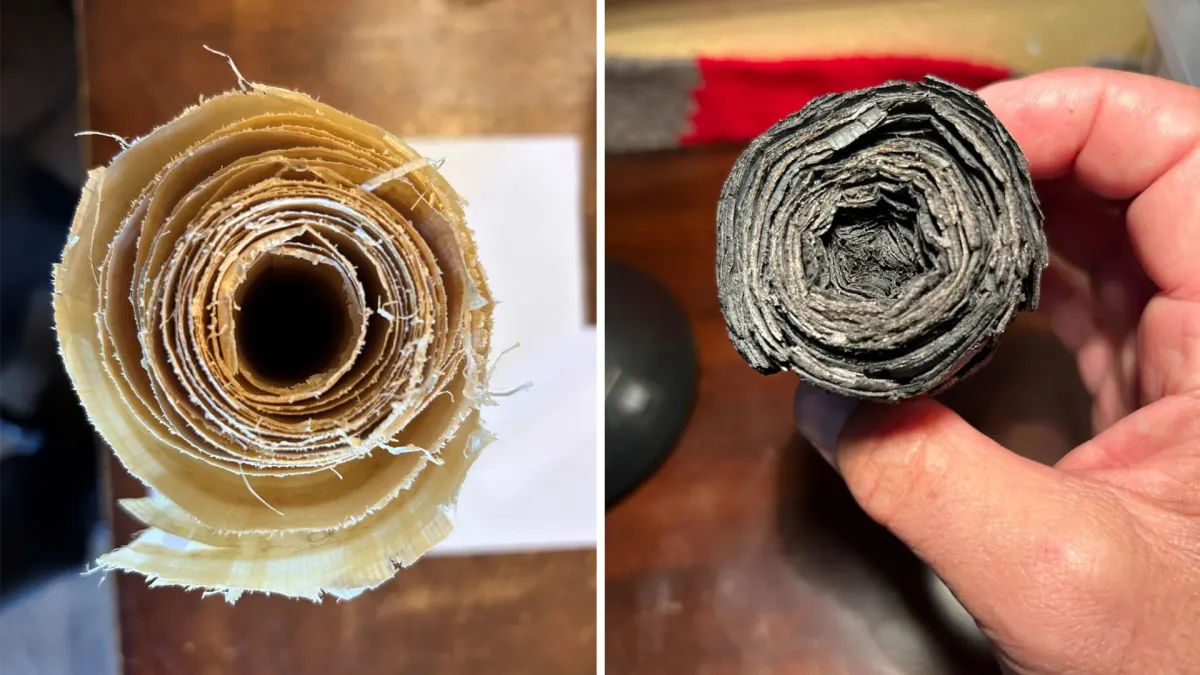
One of several papyrus scrolls before carbonization and (b) after carbonization. Carbonized scroll produced with tight packing of layers and waviness that will challenge unrolling algorithms. Credit: Seiler et al., 2026, PLOS One, CC0Researchers recreated a damaged ancient scroll to test a new way to study the past. Lead in ancient ink could help researchers read the Herculaneum papyri, Roman scrolls buried when Mount Vesuvius erupted in 79 CE. Many are now too brittle to open, and reading them with X-rays poses its own problem. The ink and papyrus are both carbon-based, making the writing difficult to distinguish from the material beneath it. Researchers have found lead in some letters on fragments from the scroll collection. Because X-rays can distinguish lead from papyrus more easily, a team tested whether the metal could help reveal writing inside similarly damaged scrolls. They made their own versions, wrote on them with ink containing different concentrations of lead, and subjected them to intense heat. Scans then allowed them to recover some of the words. The findings appeared in the open access journal PLOS One.
New trick could reveal text on 2,000-year-old scrolls charred by eruption of Mount Vesuvius - Live Science
Using X-ray technologies and custom-made software, researchers were able to read text they wrote on a fake ancient scroll designed to mimic those destroyed at Herculaneum in A.D. 79.
Scientists burned their own scrolls to unlock a 2,000-year-old mystery - Science Daily
Douglas Seiler went to unusual lengths to recreate an ancient mystery. He obtained papyrus and reed pens from Egypt, along with traditional lampblack ink from Japan. Then he paid high school students to write on the papyrus using passages from "Star Wars," the Bible, and a quote from the 1960s science fiction television show "The Outer Limits. "
0 comments
No comments yet. Be the first to share your thoughts!