Why farmers are suddenly demanding tractors they can fix themselves - SooToday.com
This story deserves to be shared
Send it to someone who'd care, or post it on your networks.

A company selling analog farming tools is fuelling the rural right-to-repair movement
Reprinted with permission from Be Giant, a non-profit, non-partisan media outlet reporting on the people, places, ideas and breakthroughs shaping Canada's future. Sign up for their weekly newsletter.
This article is an excerpt. To read the full content, visit the original source. SooToday.com
Related articles
Electric tractors in India: Evidence from real‑world pilots and implications for policy - International Council on Clean Transportation
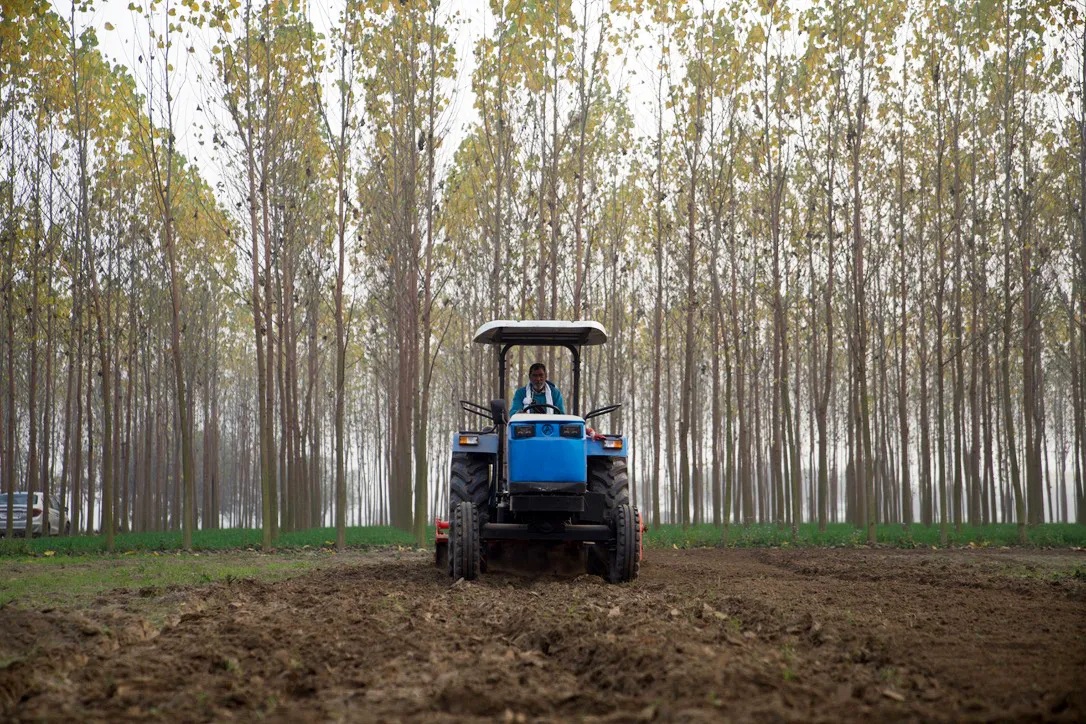
India registers close to 1 million new tractors every year, three times the number of buses and trucks combined. With the current emission standards, a majority of these tractors are allowed to emit 60 times the PM2.5 limit of trucks or buses. Due to noise and vibrations, prolonged use of diesel tractors also has implications for the health of farmers. Electric tractors can potentially address these issues, but low adoption by farmers despite subsidies in some states like Haryana, points to technology uncertainty; can electric tractors meet requirements of India farmers? This working paper presents structured, real-world evidence on how electric tractors perform against diesel across everyday farm and transport operations, based on a pilot project that studied five e-tractor models from four manufacturers across Haryana over 11 months.

[Technology Corner] Aligning ‘Smart Implements’ with Autonomous Tractors - Precision Farming Dealer
Precision Farming Dealer® and Precision Farming Dealer Summit® are registered trademarks of Lessiter Publications, Inc.
A 930-megawatt reactor on the South African coast was cut to half power when dead sardines packed its seawater intake and a cooling pump shut itself off, the only nuclear plant in Africa was already down to one machine with its twin in refueling, and on Frida - Autonocion.com
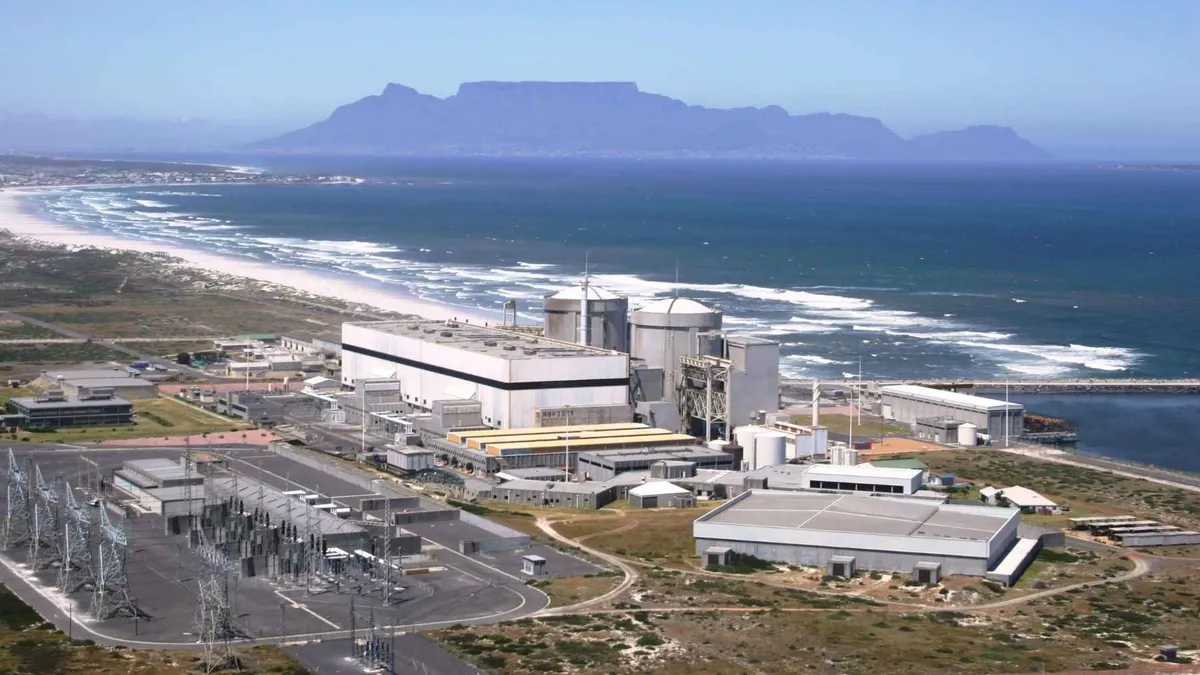
If you’ve ever pulled a fistful of leaves out of a pool pump basket, you already understand the only thing that went wrong at Africa’s only nuclear plant in August. Stuff gets sucked toward the pump, stuff piles up on the screen, the flow drops, and eventually the pump quits. Now swap the pool for the South Atlantic, swap the leaves for a mass of dead sardines, and swap your pump for one that’s keeping a 930-megawatt reactor cool. That’s pretty much what happened at Koeberg, which sits on the coast about 17 miles north of Cape Town. On Friday, August 21, Eskom, the state utility that runs the place, cut Unit 1 back to 50 percent. A cooling pump had shut itself off because the seawater intake was packed with what Eskom called “marine material,” which turned out to be fish. Lots of fish.

Ranked: The Top 10 Cars Driven by Each Generation - Visual Capitalist
Discover the most popular cars by generation in America, from Gen Z's Honda Civic to the Ford pickups favored by older drivers.

Good morning, Sault Ste. Marie! Here's today's weather! - SooToday.com
A mix of sun and cloud. Becoming sunny this afternoon. Wind southwest 30 km/h gusting to 50. High 14. UV index 3 or moderate. Clear. Wind southwest 20 km/h gusting to 40. Low 6.

De Havilland calls for national water bomber fleet as it scrambles to meet demand - CityNews Toronto
MONTREAL — On July 13, a pair of Canadair water bombers touched down on the Seine River, skimming along its surface to refill their water tanks as they battled a wildfire south of Paris. The “super scoopers,” with their signature ketchup-red wing tips on a mustard-yellow body, sucked up 6,000-plus litres from France’s most famous waterway in one go as part of a fight against the flames then rampaging across Europe.
0 comments
No comments yet. Be the first to share your thoughts!