Two projects on the front lines of income security discourse in Canada - The Hill Times
This story deserves to be shared
Send it to someone who'd care, or post it on your networks.
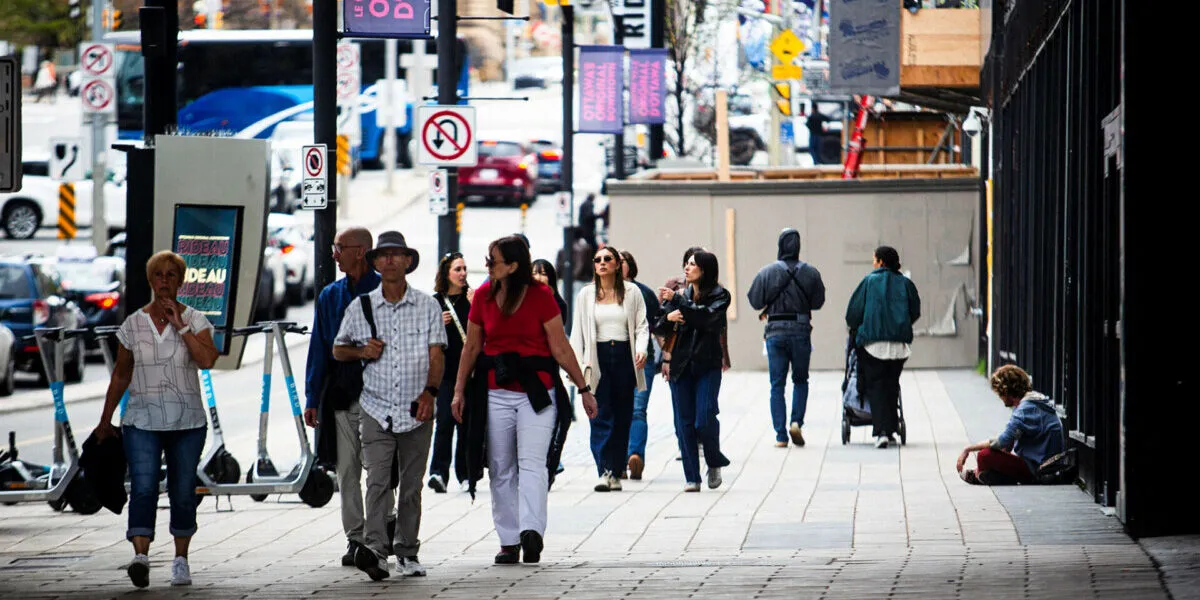
A guaranteed basic income would ensure that individuals and families are able to live healthier and safer lives while infusing money into local economies.
People walk along Rideau Street in downtown Ottawa on May 15. A livable guaranteed basic income would be a nation-building project that cares for Canadians, providing income security and autonomy for those who need it, when they need it, write Senator Kim Pate and Trish Altass. The Hill Times photograph by Andrew Meade
This article is an excerpt. To read the full content, visit the original source. The Hill Times
Related articles
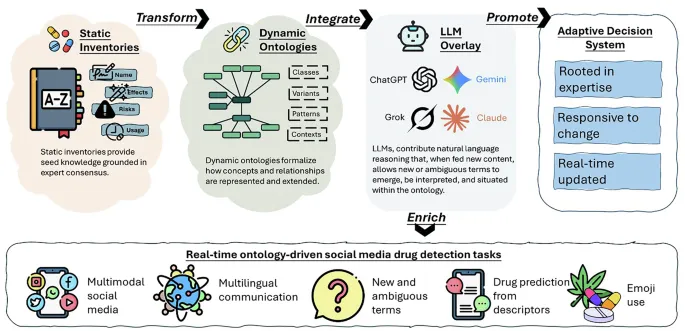
Closing surveillance detection gaps for emerging digital drug discourse with ontology-enhanced large language models - Nature
IntroductionThe age-adjusted rate of drug-involved deaths in the US was ~250% higher than two decades ago1, despite a 24% reduction in overdose-related fatalities between 2023 and 20242. Adverse outcomes from overdoses extend beyond fatalities to other forms of measurable harm, including increased strain on the medical system. In 2024 alone the Drug Abuse Warning Network (DAWN) reported more than 8.4 million nonfatal drug-related emergency department (ED) visits in the US3. Meanwhile, the National Drug Early Warning System (NDEWS) identified parallel social media conversations around emerging drugs separately linked to increased ED visits in 2025, including synthetic opioids (e.g., nitazenes), opioid-like compounds (e.g., kratom), and polydrug-use combinations (e.g., benzodiazepines, kratom, or ketamine combined with fentanyl)4. Proactively addressing drug harm requires clinicians, health professionals, and policymakers to understand contemporary and evolving drug use trends as they emerge. Yet traditional epidemiologic surveillance systems (e.g., DAWN and others) contain built-in lags ranging from months to years5.

Alberta referendum expected to bring finality, but also more questions on separation - Global News
On Monday, Albertans vote on whether to stay in Canada or hold another binding referendum on quitting Canada. If the vote goes as polls suggest, a majority of Albertans will mark an X to stay in Confederation, and Premier Danielle Smith has said if that’s so, she expects everyone to accept it and move on. Leaders of the independence movement contest that. And political watchers are divided about whether separation — previously a fringe sentiment — will now be a prominent, permanent feature of Alberta’s political landscape, as in Quebec. Julian Castro-Rea, a political-science professor at the University of Alberta who studies the separation debates in Quebec and Alberta, believes as long as Alberta feels alienated from the Canadian capital — feeling that Ottawa benefits from Alberta’s resource economy without giving back — the movement will have fuel. “Even if the referendum is lost, the westernization will still be around, because it’s kind of a way which, traditionally, Albertans have related to the rest of Canada,” says Castro-Rea, who believes western alienation may remain indefinitely. Story continues below advertisement

How Canada’s fractured immigration consensus is starting to show up at ballot boxes - Global News
It’s no secret the long-held Canadian consensus on immigration has fractured — pulled apart by a rapid increase in new arrivals post-pandemic and growing affordability challenges. Now, that fracture is starting to show up at the ballot box. The Parti Québécois won a minority mandate in Quebec on a platform that included promises of tighter immigration controls, which the party linked to protecting French culture and easing pressure on public services and housing. And when Albertans head to the polls Monday to vote on whether to hold a future referendum on separation from Canada, they’ll also be answering five separate questions on immigration being pushed by the government of Alberta Premier Danielle Smith. Those questions include:— Should the province should have more say over economic immigration?— Should provincially funded services should be restricted to citizens, permanent residents and those with “Alberta-approved” immigration status? Story continues below advertisement
0 comments
No comments yet. Be the first to share your thoughts!