This week is the best time to see Saturn all year — yes, even with the naked eye - Live Science
This story deserves to be shared
Send it to someone who'd care, or post it on your networks.
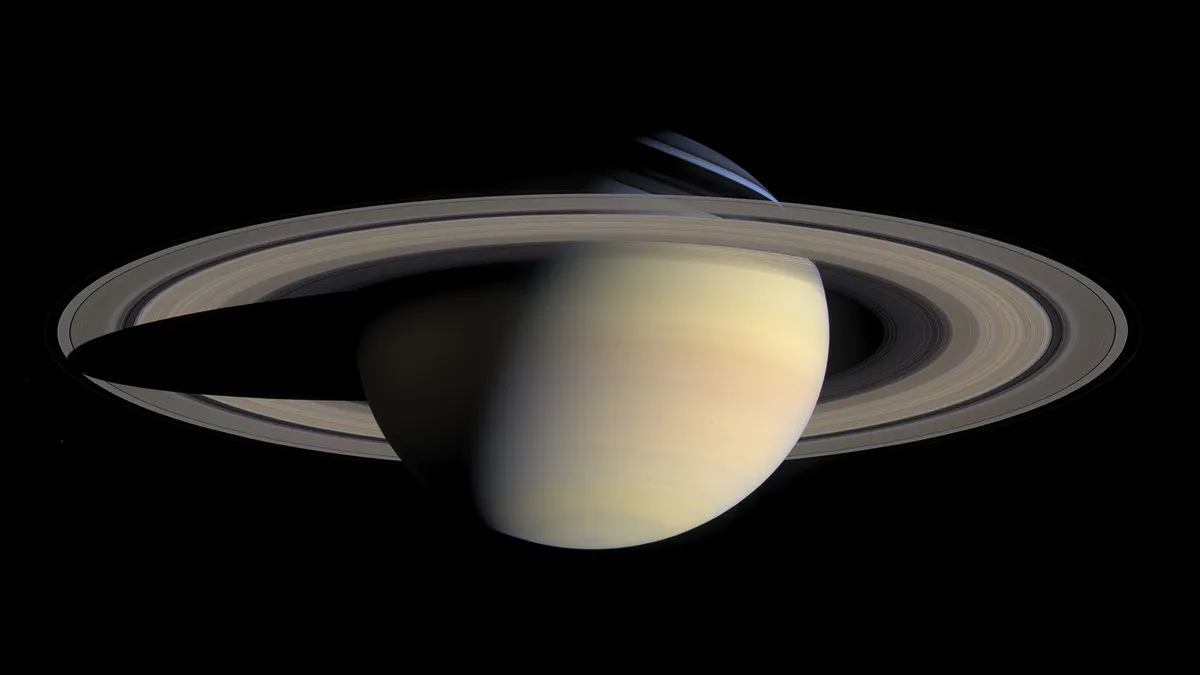
Saturn will put on a show this week as it enters opposition and its famous rings return to looking their best.
This article is an excerpt. To read the full content, visit the original source. Live Science
Related articles
Poop made life on Earth possible. Yes, poop. - Popular Science
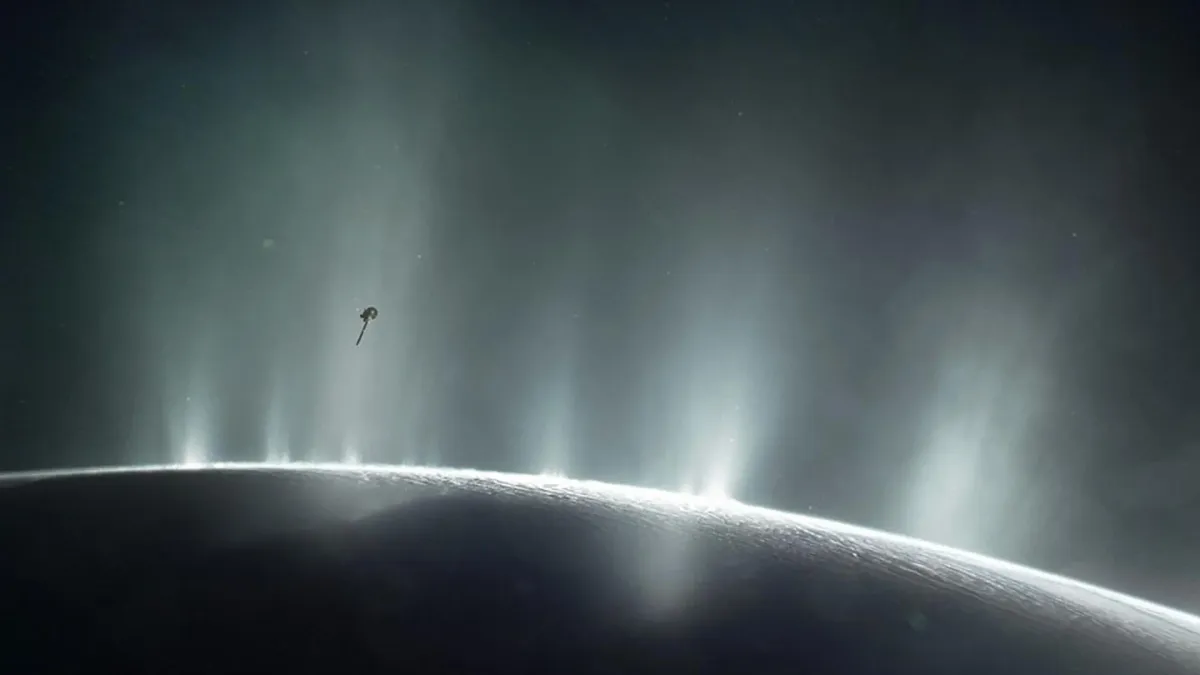
The ice blasting from Saturn's moon Enceladus is stranger than scientists realized - Science Daily
Saturn's moon Enceladus is covered in ice, but beneath that frozen shell lies a global ocean. Near the moon's south pole, fractures in the crust release water vapor and ice particles into space. Those particles give scientists an unusual way to study an alien ocean without having to drill through kilometers of ice. An international team that includes researchers from the Earth-Life Science Institute (ELSI) at the Institute of Science Tokyo has now investigated what happens to that ocean water as it moves from beneath the surface and eventually becomes the tiny ice grains detected in space.
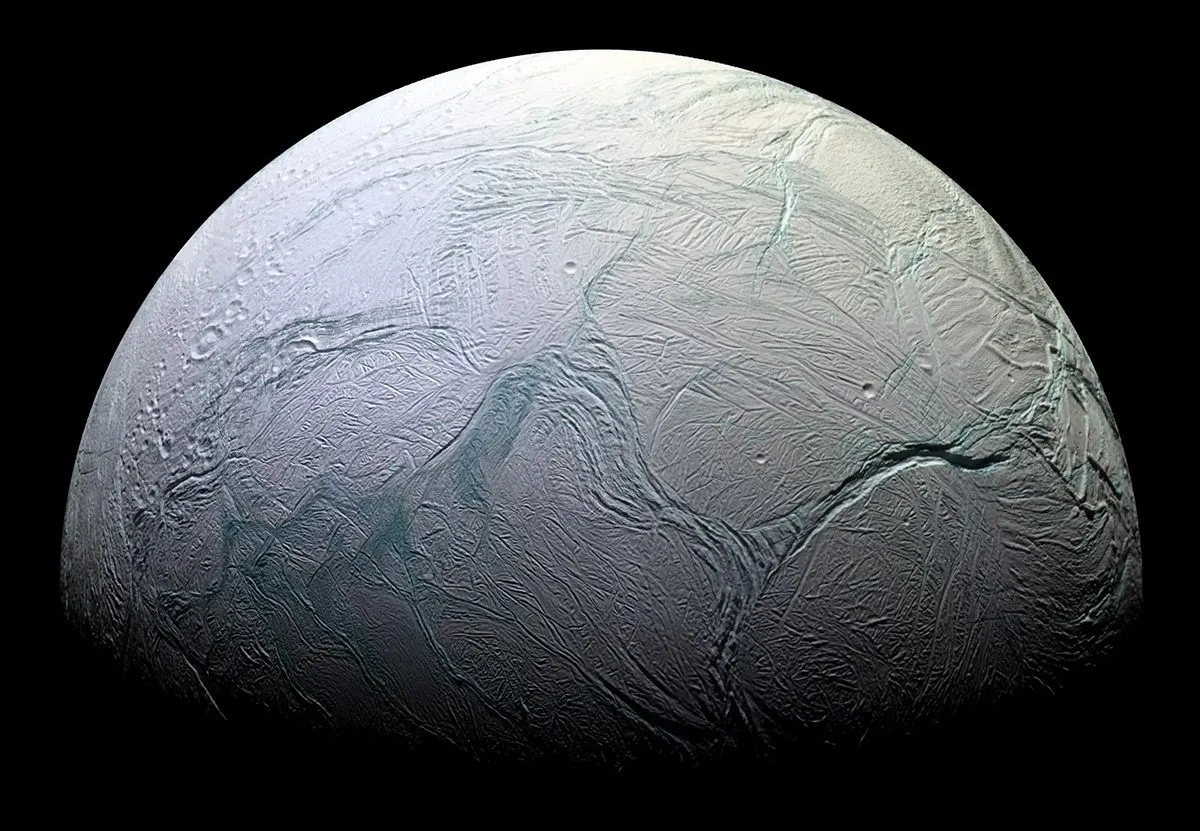
Saturn's frozen moon could host alien life, say scientists - BBC Sky at Night Magazine
You might think that the frozen moons orbiting planets Jupiter and Saturn would be among the last places you'd find life beyond Earth in our Solar System. But it turns out that icy moons such as Europa (around Jupiter) and Enceladus (around Saturn) are promising places to look for life, primarily because they have liquid oceans beneath their surfaces.
0 comments
No comments yet. Be the first to share your thoughts!