The surprisingly scientific methods of Bigfooters - Aeon
This story deserves to be shared
Send it to someone who'd care, or post it on your networks.
This article is an excerpt. To read the full content, visit the original source. Aeon
Related articles
Modern forensic methods reveal human sacrifice in ancient Egypt - Frontiers
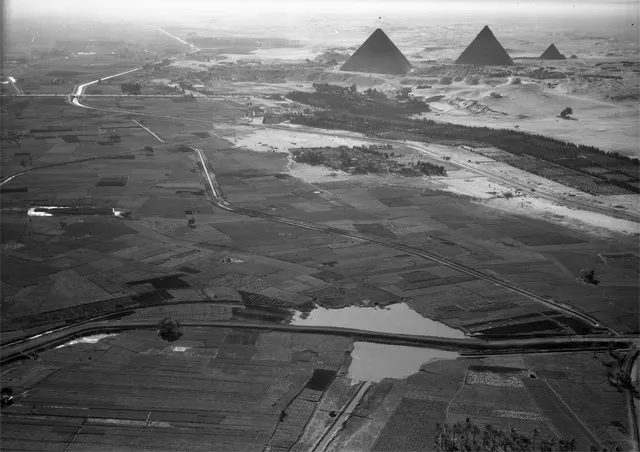
A view of the pyramids of Giza, which are approximately 500 years younger than the Abydos tombs, in 1938. Image from the American Geographical Society Library, University of Wisconsin-Milwaukee Libraries, shared under the licence CC BY-SA 3.0. Over 500 years before the building of the Great Pyramid in Egypt, First Dynasty kings were buried in a tomb surrounded by many burials of household officials and artisans — many of which seem to have taken place at the same time, a suspiciously high number of simultaneous deaths. The original excavators thought that these individuals were the victims of retainer sacrifice, where people are killed after the death of a ruler to act as their attendants in the afterlife. But they didn’t find evidence of any wounds on the bones, leaving the cause of death in doubt. Now a major re-examination of a sample of the remains, using modern forensic knowledge, has identified numerous instances of cranial trauma that were likely fatal. Scientists have confirmed that numerous burials clustered around First Dynasty tombs in Abydos, Egypt, reveal the sacrifice of royal household members after the death of kings.
What Is Agronomy and Crop Science? Fields, Methods, and Funding - CASRAI
Agronomy and crop science are the parts of agricultural science concerned with how field crops are grown, improved, and managed in soil and climate conditions that cannot be fully controlled. If you arrived here wanting the whole map of agricultural research, including animals, horticulture, food systems and rural economics, start with What Is Agricultural Science?; this page goes one level down and explains the crop-and-soil core of that map: what agronomists and crop scientists study, how they test ideas in the field, who organizes and funds the work, and where research administrators meet it. Agronomy is the science and practice of producing field crops — grains, oilseeds, forages, fiber and similar broadacre crops — while managing the soil, water, nutrients and pests that determine how those crops perform. It is an applied, systems-oriented discipline: an agronomist rarely studies one variable in isolation, because yield in a real field is the joint outcome of genetics, weather, soil, management timing and pest pressure.
Archaeologists discover 1,200-year-old mummified hairless dog in Peru - Science Daily
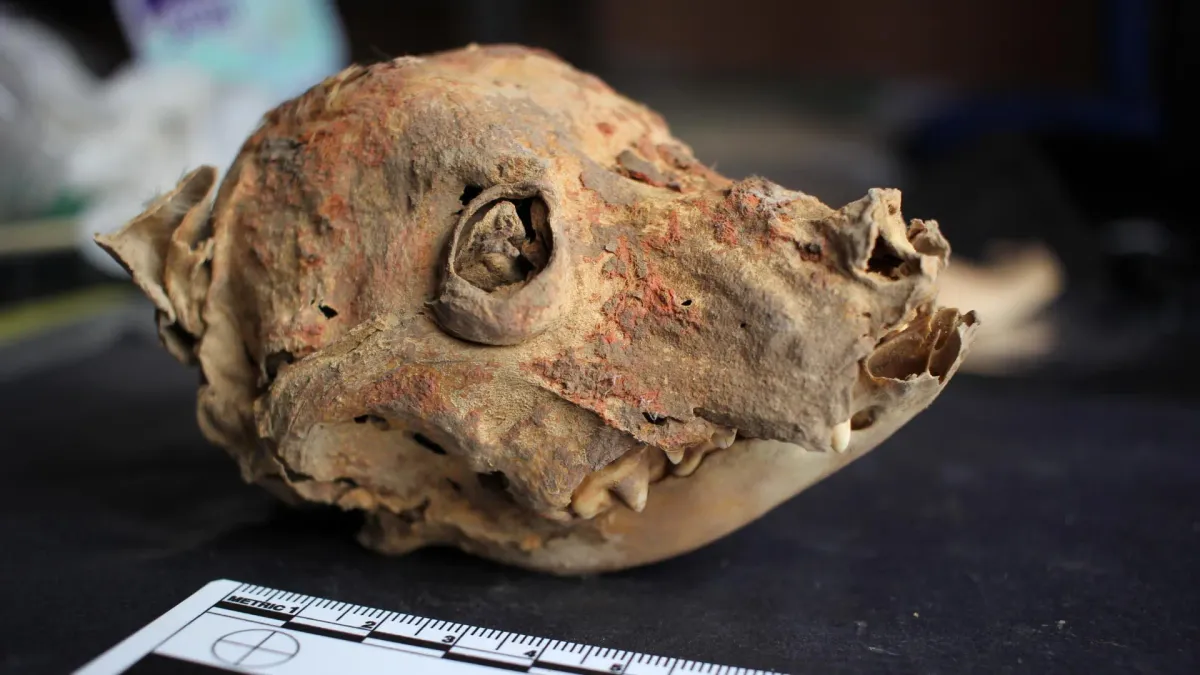
Archaeologists working at an ancient burial complex in Peru have uncovered remarkable evidence of hairless dogs that lived more than 1,200 years ago, long before the rise of the Inca Empire. The discoveries include naturally mummified remains, unusual skeletal features, and clues about what the animals ate and how they were treated by the people around them. Peruvian hairless dogs are a distinctive Indigenous breed known for their slender bodies, pointed ears, and lack of fur. They frequently appear in pottery created by ancient societies along the Andean coast. Today, a variation of the breed is recognized by the American Kennel Club as the Peruvian Inca Orchid. The dogs are also an important national symbol, having been officially designated part of Peru's cultural heritage in 2000.
Earth's Core Is Leaking All Sorts of Materials That Have Been Trapped Since Our Planet's Birth - ScienceAlert
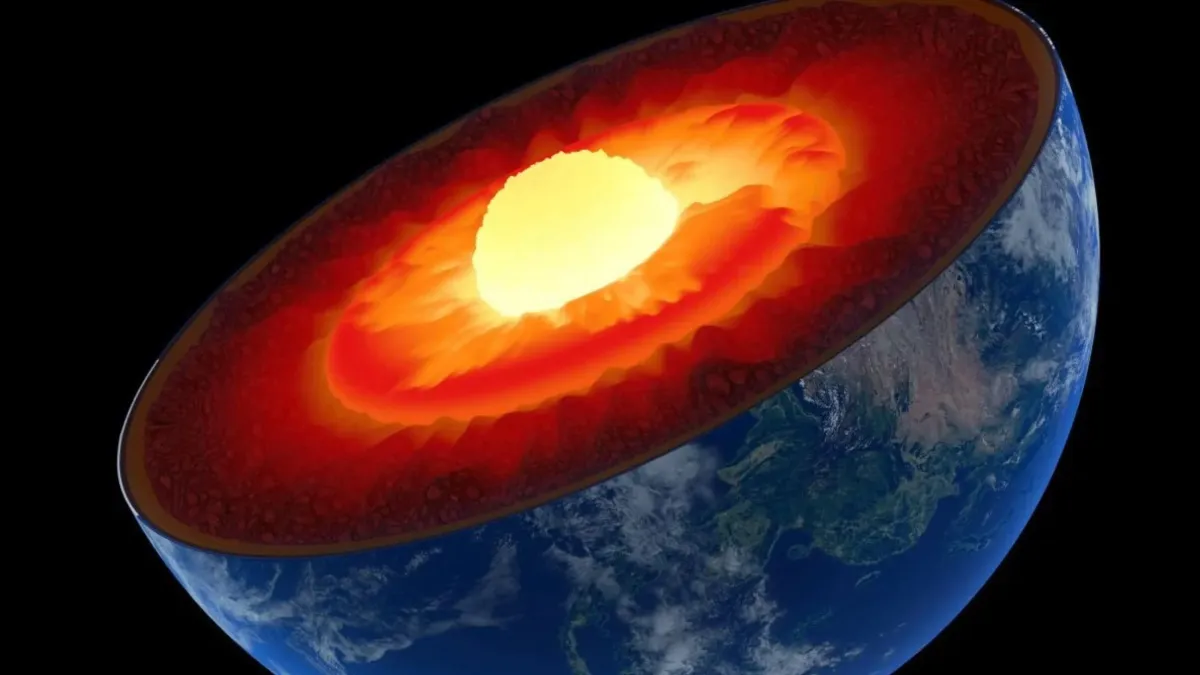
Our early Earth was a heavy metal album cover: a molten ball covered in a global lava ocean, spewing lethal gases while being pelted by the flaming space-rocks of our Solar System's violently chaotic afterbirth. Over the next 4.5 billion years of hectic cosmo-geological time, it has settled down a bit, allowing humans, lemurs, and others to emerge. A vision of this hellish ancient reality remains, (hopefully) never to be glimpsed by human eyes: our molten metallic core, blazing about as hotly as the surface of the Sun. But our core constantly sends chemical messengers up through its layers, including the space-borne ingredients of its birth, locked away for about one-third the lifetime of the Universe. This includes the hydrogen that was drawn in from the giant cloud of gas and dust that formed the Sun, which continues to ooze up from the core and turns into water in the mantle and crust – not a splashy-sloshy water, but a water trapped in minerals. Early Earth may have looked something like this.
Japan to launch historic round-trip mission to Mars moon - Winnipeg Sun
Japanese scientists are readying a mission to Mars's moons to retrieve samples that could help unlock the origins of the Solar System and life on Earth, in what aims to
0 comments
No comments yet. Be the first to share your thoughts!