Study creates first comprehensive map of Martian soils - Xinhua
This story deserves to be shared
Send it to someone who'd care, or post it on your networks.
SYDNEY, Oct. 17 (Xinhua) -- An Australian study has produced the first comprehensive classification system and map of Martian soils, offering a framework to help scientists identify potential locations for future exploration, habitation and food production. The research classifies almost 800 million locations across Mars into a hierarchy of 2,000 soil classes using orbital observations and models, presenting a global map showing where they occur, according to a statement released by Australia's University of Sydney. "Scientists have mapped Mars' geology, mineralogy and chemistry before, but our system brings together multiple properties into a single framework, helping us understand how different Martian soils relate to one another and where they're found," said Daniel Irving, a PhD student at the university, who led the research. The classification system groups Martian soils into 10 major "realms," 100 "assemblages" and 2,000 detailed "forms" based on properties including texture, mineralogy, pH and profile thickness. As a proof of concept, researchers assessed the soil classes for characteristics relevant to plant production.
This article is an excerpt. To read the full content, visit the original source. Xinhua
Related articles

Sydney student creates first map of Martian soils - EurekAlert!
image: PhD candidate Daniel Irving at the University of Sydney A PhD student at the University of Sydney has produced the first comprehensive classification system and map of Martian soils, creating a new framework that could help scientists compare landscapes across the Red Planet and identify promising locations for future exploration, habitation and food production.

Swiss scientist soils underpants, wins silly science prize - CBC
LISTEN | Why citizen scientists buried thousands of undies:Quirks and Quarks9:24Why citizen scientists buried thousands of undiesFranz Bender convinced a thousand people to soil their underwear — and he wasn’t asking for bowel movements. In 2021, the Swiss soil ecologist and his team recruited 1,000 citizen scientists to bury and dig up underwear around Switzerland in an effort to better understand soil and soil health. In September, the research won an Ig Nobel Prize, which is awarded annually for research that makes people laugh and then think. The effort yielded some surprising results for the researchers — and the participants when they unearthed their underwear, which the hungry underground microbes had often consumed down to almost nothing. “I think this moment when people dig out the underwear and look at it, it was really a revealing moment for many,” Bender, who works at the Agroscope agricultural research centre in Zurich, told Quirks & Quarks host Bob McDonald. “It’s fascinating to see that, yeah, soil is really alive, and there’s a lot of life underground that we usually don’t think about.”The research was published in Plants People Planet in Aug. 2026.
The science behind Mozambique’s soils - Food and Agriculture Organization
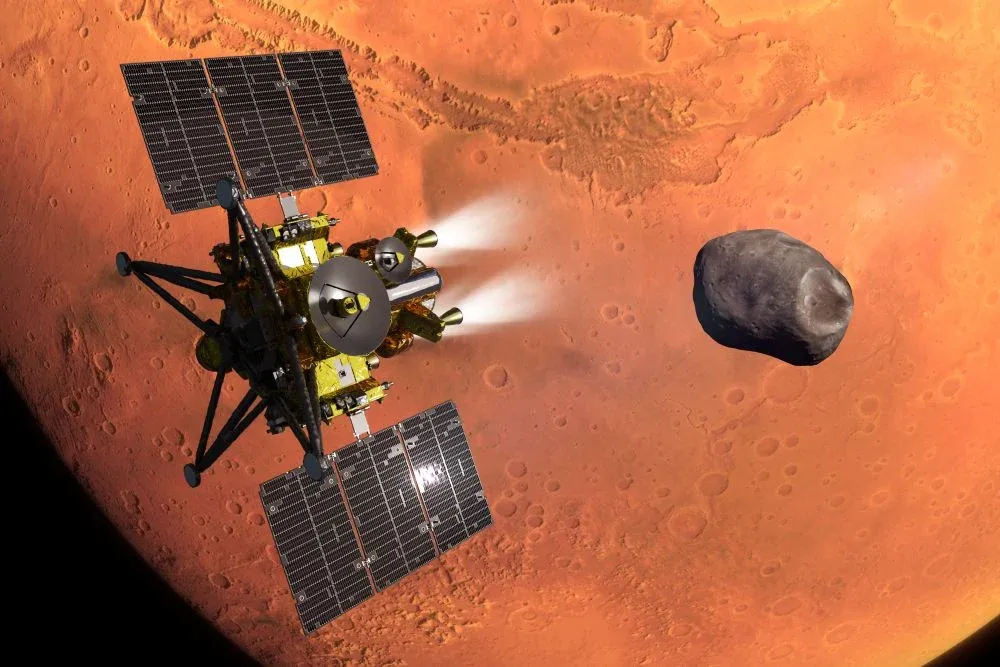
Japan Poised To Launch Mission To Martian Moons - Aviation Week
Concept of JAXA’s MMX spacecraft during its Mars orbit insertion, with the moon Phobos in the background. A pioneering mission to study a pair of Martian moons and return a 10-gram soil sample to Earth is being prepared for launch Oct. 19 from Japan’s Tanegashima Space Center. If successful, the Martian Moons Exploration (MMX) mission will add the first samples of Martian real estate to the world’s...

NASA’s SkyFall helicopters will scan the Martian surface in search of ice - Universe Space Tech
Three helicopters NASA is preparing to send to Mars will be able to fly hundreds of kilometers across the planet. The data they collect should help prepare for human landings. Scientists are getting ready to select the location where the helicopters will begin their work. Their focus is on plains that may contain deposits of frozen water beneath the surface. Artist’s illustration of NASA’s planned SkyFall helicopters descending toward the Martian surface. Credit: AeroVironment
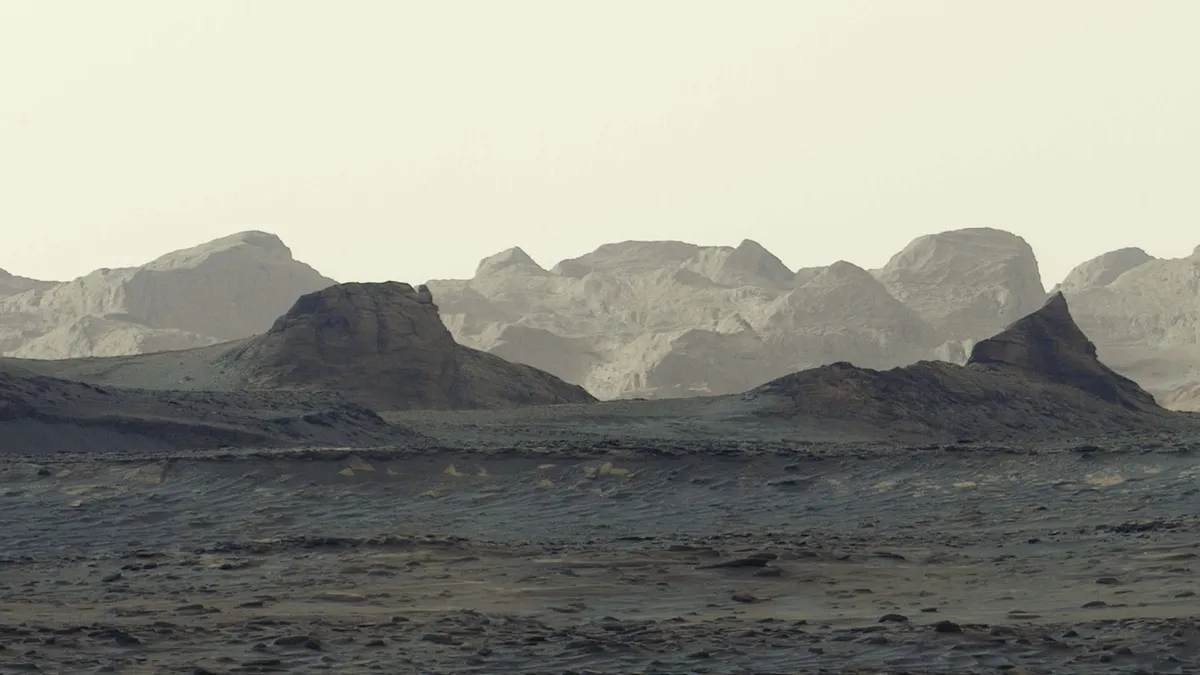
Curiosity rover camera reveals “most detailed view yet” of distant Martian cliffs with fantastic sunrise panorama - Digital Camera World
NASA's rover beamed back a series of shots depicting wind-carved crags on Mars illuminated by golden dawn light, which the space agency made into a panorama
0 comments
No comments yet. Be the first to share your thoughts!