Scientists restore a brain protein and reverse signs of aging in mice - Science Daily
This story deserves to be shared
Send it to someone who'd care, or post it on your networks.
This article is an excerpt. To read the full content, visit the original source. Science Daily
Related articles
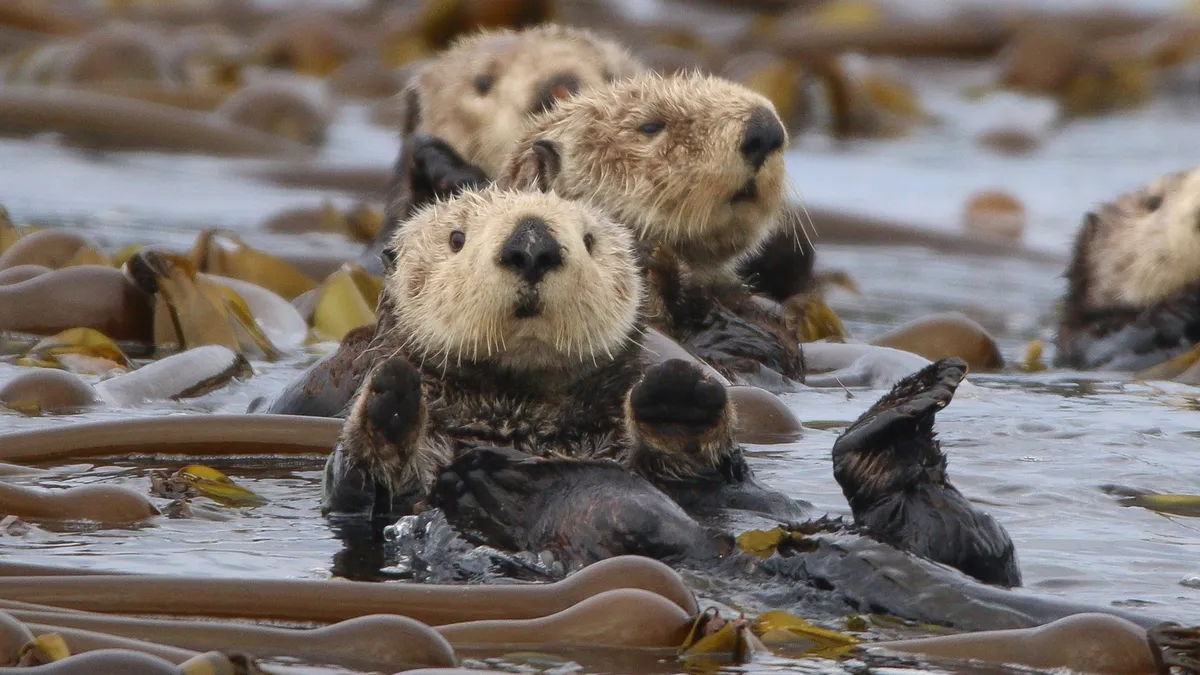
Science, Indigenous knowledge team up to restore Canada’s kelp. (Sea otters help, too.) - news - Mongabay
In Clayoquot Sound, British Columbia, a partnership between the Tla-o-qui-aht First Nation, Redd Fish Restoration Society and West Coast Kelp grows kelp at scale to support an ecosystem in decline. The fur trade eradicated sea otters; their return enables kelp to thrive. Underwater cameras are monitoring the newly formed kelp forest. The success of the project will be measured by science and the return of ecological abundance. Emily Fulton spends a lot of time in a small boat cruising the waters of Clayoquot Sound off the west coast of Vancouver Island in British Columbia, Canada. As the marine program manager for the nonprofit Redd Fish Restoration Society, she regularly checks on a newly created kelp nursery growing within the traditional territory of the Tla-o-qui-aht First Nation.
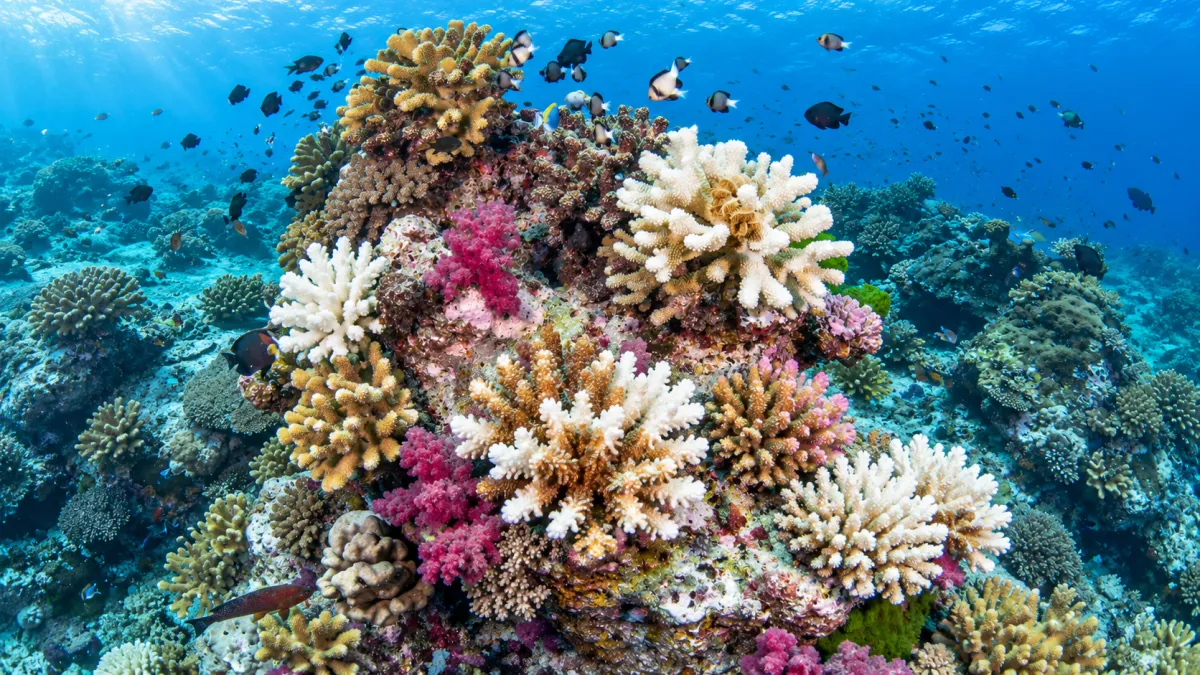
Scientists discover a way to reverse coral bleaching, one of the ocean’s biggest environmental threats - The Brighter Side of News
Bleached coral fragments recovered after touching healthy genetic clones in laboratory experiments involving one species and two genotypes. A week of contact supplied enough beneficial algae for fragments to continue recovering after separation. Tissue fusion appears to enable rapid transfer, but mismatched corals competed instead, and reef-scale restoration remains untested. A few millimeters separated recovery from severe decline in tanks of bleached coral. Fragments touching healthy genetic clones regained their beneficial algae and resumed growth. Fragments held nearby without contact largely succumbed to invasive algae and tissue loss. The laboratory findings, published in Science Advances, reveal a route to rapid recovery after bleaching. Stanford University researchers found that about a week of contact could provide enough algae for recovery to continue independently. The results identify a biological mechanism, rather than a method already demonstrated to restore natural reefs. Danny Collins, an oceans doctoral student at the Stanford Doerr School of Sustainability, led the study with colleagues including Steve Palumbi.
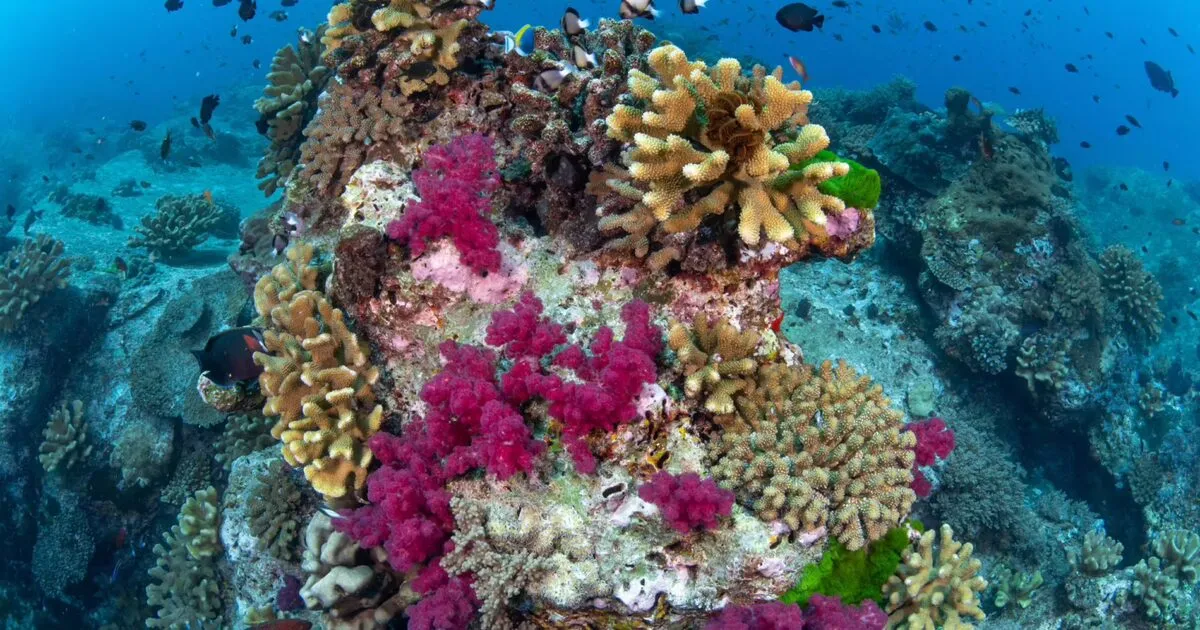
Stanford scientists discover a way to reverse coral bleaching at record speed - Stanford Doerr School of Sustainability
Bleached corals can fully recover within a few weeks through brief contact with healthy corals, opening new possibilities for restoration. Corals provide food and livelihoods to hundreds of millions of people globally through fisheries, tourism, and other benefits. (Image credit: Zephyr 18/Getty)

7 simple habits that could reverse diabetes - BBC Science Focus Magazine
Just 20 years ago, type 2 diabetes was a lifelong diagnosis. When doctors spoke with their patients, the focus was on treating symptoms and managing complications with pharmaceuticals. Thoughts of eradicating the disease itself seemed far-fetched. Now, though, thousands of people are successfully pushing back the disease.
0 comments
No comments yet. Be the first to share your thoughts!