Scientists opened a sealed envelope after 10 years. Gravity still didn’t make sense - Science Daily
This story deserves to be shared
Send it to someone who'd care, or post it on your networks.
This article is an excerpt. To read the full content, visit the original source. Science Daily
Related articles
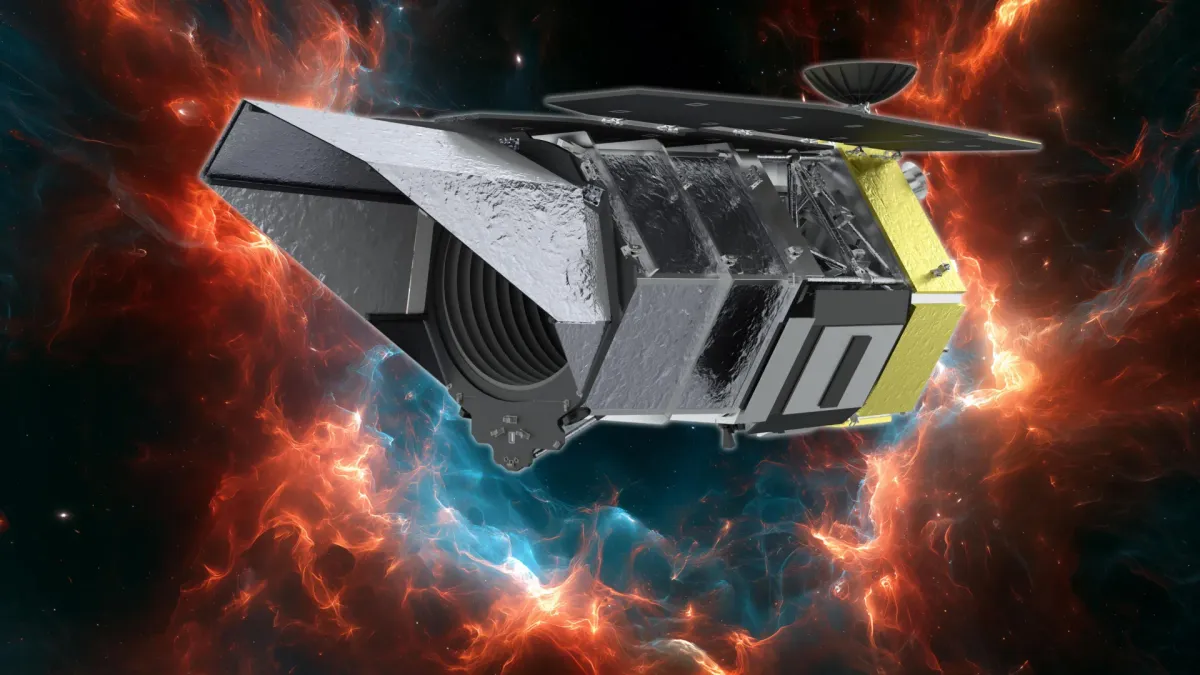
NASA’s Roman telescope just opened its planet-hunting eye - Science Daily
NASA's Nancy Grace Roman Space Telescope has completed an important series of tests showing that it can keep its gaze extremely steady during observations. From Sept. 15 to 21, engineers tested Roman's fine-guidance system, which helps the observatory remain precisely locked onto its targets. Then, on Sept. 22, the telescope's Coronagraph Instrument received cosmic light for the first time. Roman's primary science instrument, the Wide Field Instrument, contains 18 detectors. Engineers designated a small section of each detector to rapidly monitor a different guide star -- stars whose positions are already known with high precision.
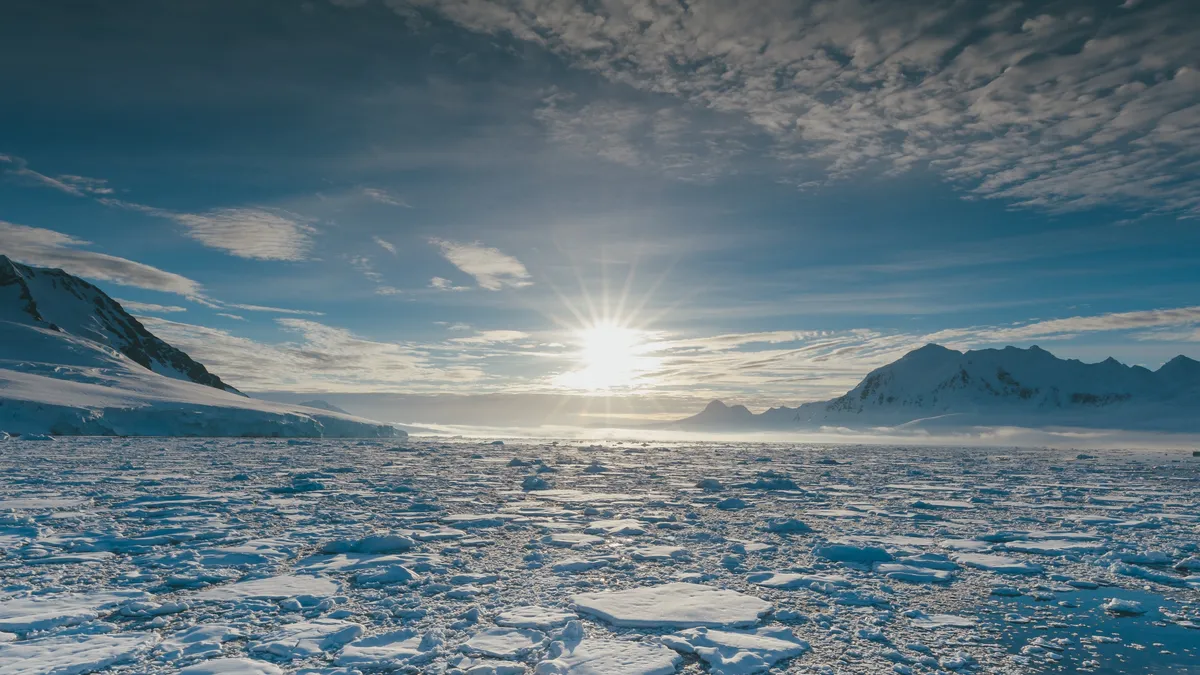
A Vast Hole Almost The Size of Portugal Opened Up in Antarctica's Winter Sea Ice. Now We Know Why. - ScienceAlert
Every winter, Antarctica roughly doubles in size as sea ice locks into place over the ocean. Typically, Breid Bay in East Antarctica is entirely covered in a frozen crust from July through August. But in August 2024, satellite images revealed a massive hole in the ice, formally known as a polynya, which is a region of open seawater surrounded by sea ice. It's something scientists have never seen before at that time of year. At its largest, the hole reached an area of 89,121 square kilometers, which is only slightly smaller than the entire landmass of Portugal. According to a research team from India led by earth scientist Jeebanjyoti Swain, the hole was the result of a series of extreme weather conditions, including a series of intense atmospheric rivers and marine heatwaves. Swain and team have published their findings in Geophysical Research Letters.(a) Polynya event captured by NASA Worldview satellite, (b) Bathymetry of the Breid Bay, (c) Daily sea‐ice concentration showing the evolution of the open‐ocean polynya.
You can study black holes in your kitchen sink. This book on gravity wants to change the way we think about the most fundamental force - BBC Sky at Night Magazine
Gravity is something that we’re all innately familiar with. It keeps our feet on the ground, fights against a rocket trying to leave Earth and governs the movement of the planets and stars. And yet, gravity is something that most of us do not fully understand. General relativity, the best theory of gravity that we have, is complicated and doesn’t operate effectively at all scales.
0 comments
No comments yet. Be the first to share your thoughts!