Scientists Might Have Found a New Cause of High Blood Pressure, And a Way to Treat It - ScienceAlert
This story deserves to be shared
Send it to someone who'd care, or post it on your networks.
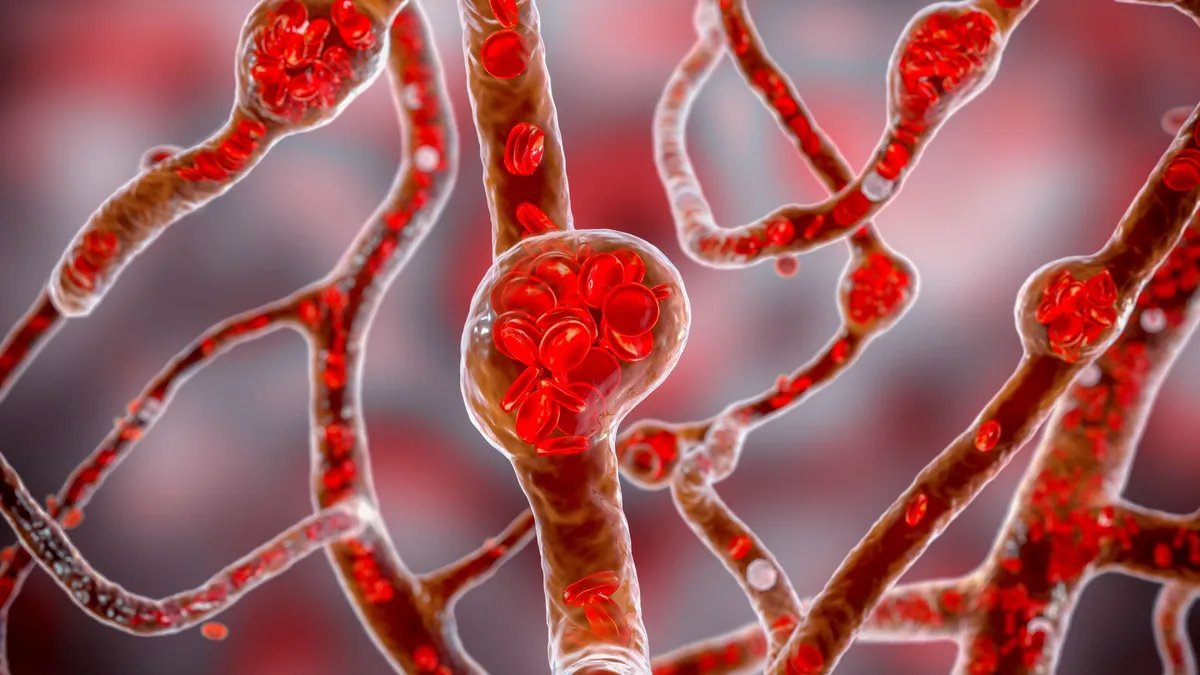
A study has found evidence that a specific brain region could be contributing to some cases of high blood pressure. And importantly, there may also be a way to reverse it. According to the 2025 study, carried out by a team from the University of São Paulo in Brazil and the University of Auckland in New Zealand, the lateral parafacial (pFL) brain region can trigger biological changes that raise blood pressure. The pFL is linked to breathing control – specifically those forceful and deliberate exhalations that happen during exercise or when we cough or laugh. In tests carried out on rats, the researchers found it can also do something else: tighten up blood vessels. That combination of breath control and blood vessel signaling could be driving hypertension in some cases, the researchers say. It might explain why so many people (around 40 percent by some estimates) still have uncontrolled blood pressure despite taking anti-hypertensive medications.
This article is an excerpt. To read the full content, visit the original source. ScienceAlert
Related articles
Scientists Built Tiny Robots That Could Treat Dangerous Heart Infections from Within - ZME Science
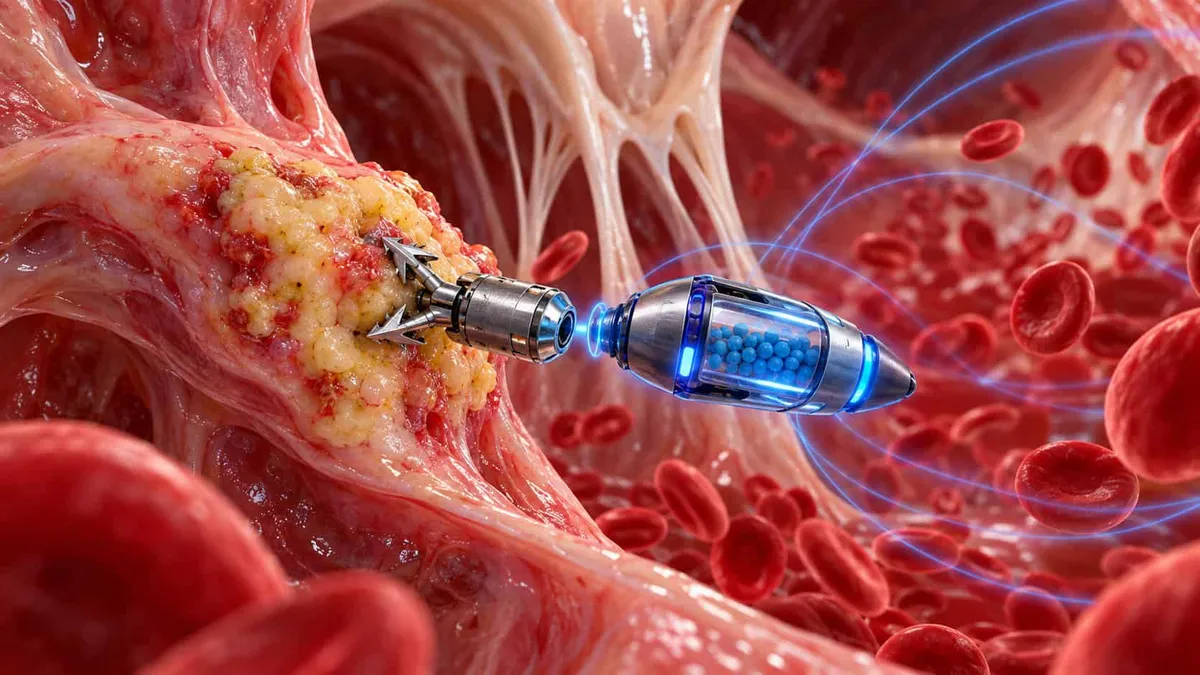
Image for illustration purposes only (ZME Science). Engineers at Johns Hopkins University have developed two miniature robots that work together to deliver medicine directly to the heart. One anchors itself to heart tissue, while the other finds its partner, docks with it, and releases medication. If another dose is needed, the delivery robot can detach and make way for a replacement.
Treat Your Students Like Scientists (opinion) - Inside Higher Ed

Simulations explore nuclear mitigation of asteroid threats - Phys.org
Lawrence Livermore National Laboratory researcher Isaiah Santistevan led the development of three-dimensional simulations exploring how a nuclear device could deflect or disrupt an asteroid threatening Earth. Credit: Blaise Douros/LLNL Lawrence Livermore National Laboratory (LLNL) researchers are developing three-dimensional simulations to examine how a nuclear device could be used to deflect or potentially disrupt an asteroid threatening Earth.
0 comments
No comments yet. Be the first to share your thoughts!