Scientists discover a compound that could supercharge aging muscle repair - Science Daily
This story deserves to be shared
Send it to someone who'd care, or post it on your networks.
This article is an excerpt. To read the full content, visit the original source. Science Daily
Related articles
NTU Singapore scientists supercharge plant immunity to boost its natural defence response - EurekAlert! Science News Releases
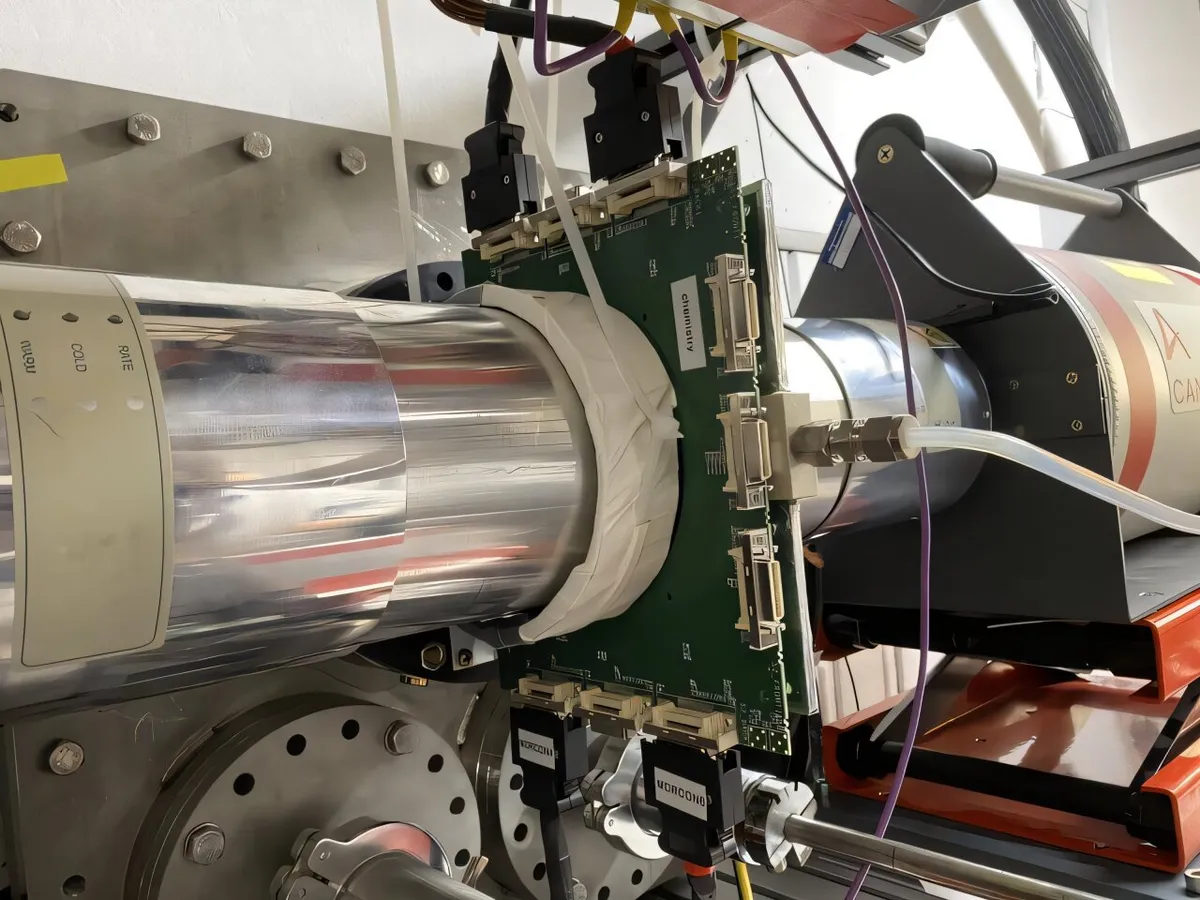
Superheavy-element compound reveals weaker-than-expected bond due to relativistic effects - Phys.org
Experimental setup behind the TASCA separator: the first detector array, mounted behind the reaction chamber at TASCA, surrounded by two germanium detectors. An international collaboration led by a research group from GSI/FAIR in Darmstadt, Germany, has achieved the first measurement of the chemical stability of a superheavy element compound. The focus was on the hexacarbonyl complex Sg(CO)₆ of seaborgium (Sg, element 106). The result: The bond between the seaborgium atom and a carbonyl ligand is weaker than expected based on its position in the periodic table. The results are published in the journal Nature.
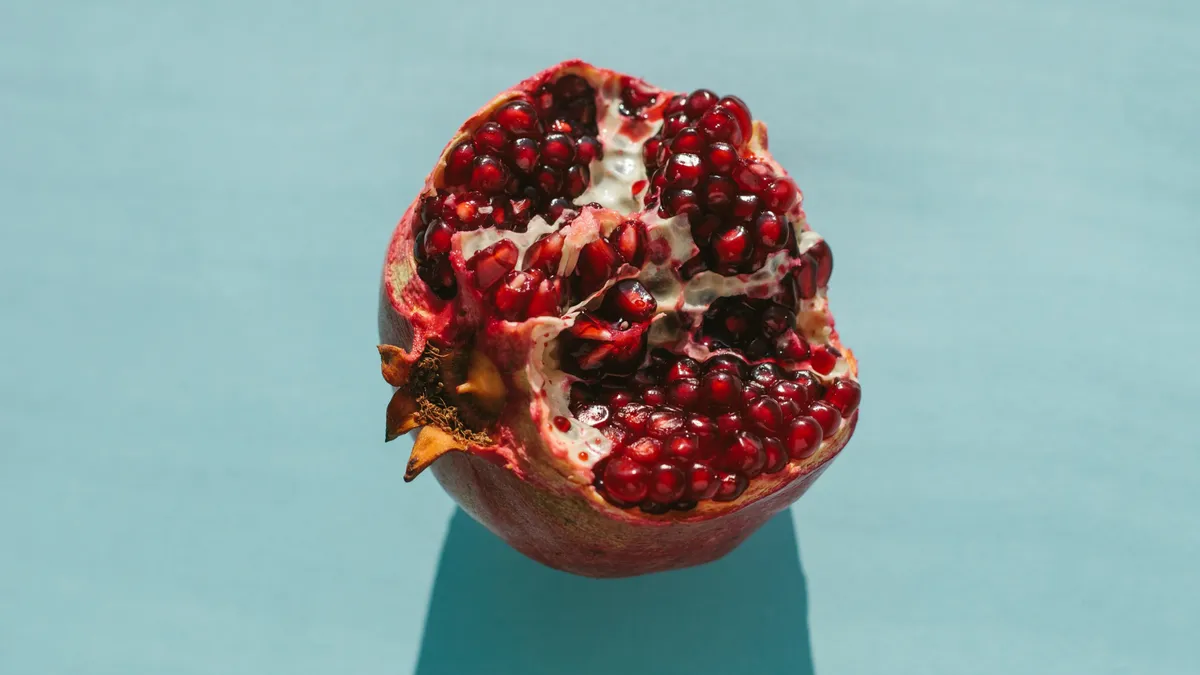
Pomegranate Compound Improves Heart Function Up to 80% in Mice With Heart Failure - ScienceAlert
Each time you eat a juicy pomegranate, your gut bacteria can produce a natural metabolite called urolithin A. This little-known compound is making a big splash. In recent years, scientists have paid close attention to urolithin A because it seems to have anti-inflammatory, antioxidant, anti-tumor, and anti-aging properties. Initial evidence in humans even suggests that urolithin A can help the body remove aged or damaged parts of our cells, thereby improving their overall health. Now, for the first time, researchers at King's College London (KCL) have found evidence that urolithin A can activate a protein that plays a key role in heart health. In mouse models with stiff and failing hearts, urolithin A improved measures of heart function by as much as 80 percent compared to untreated animals, according to a press release from KCL. The findings are published in Science Advances, with financial support from the British Heart Foundation. The results have scientists hopeful that urolithin A could be a previously unidentified treatment option for a common form of heart failure.
0 comments
No comments yet. Be the first to share your thoughts!