Research project aims to stay ahead of roundworm resistance in cattle - ABP Daily
This story deserves to be shared
Send it to someone who'd care, or post it on your networks.

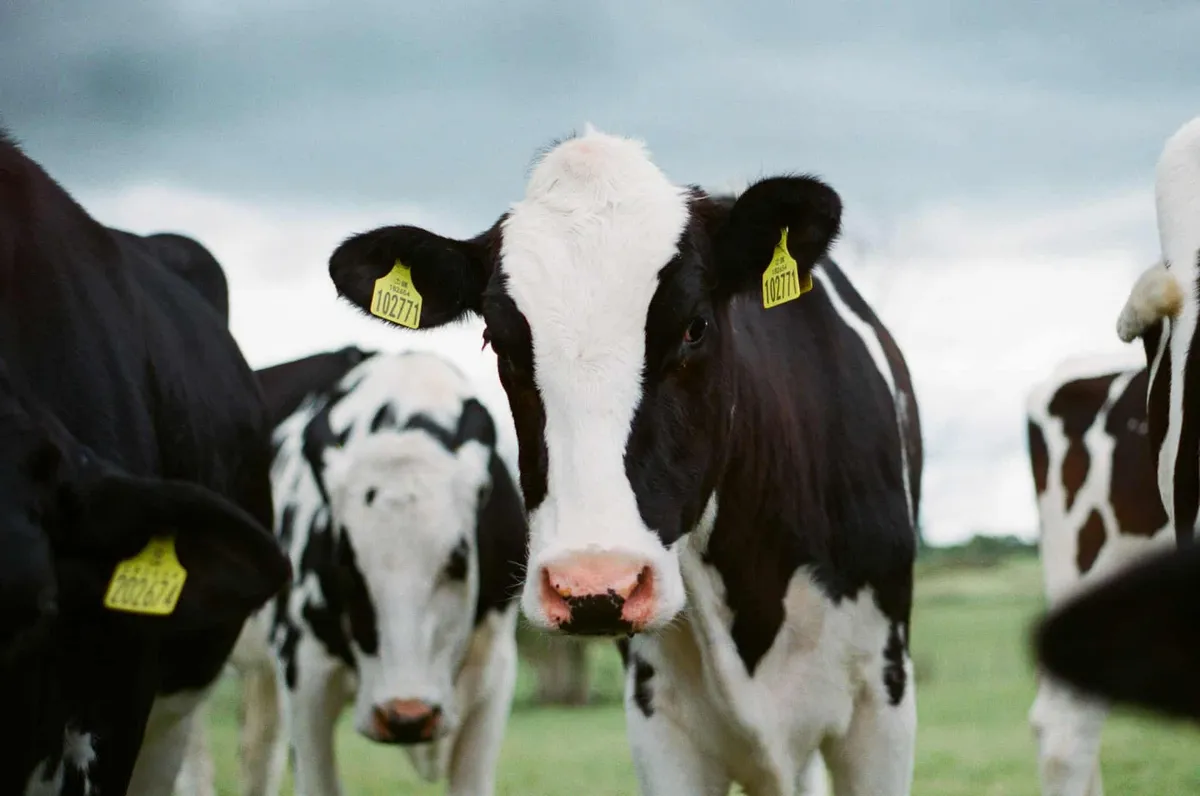
University of Calgary researchers are using genomics and artificial intelligence to search billions of chemical compounds for new ways to control roundworms, also known as nematodes, in cattle.
Supported in part by Alberta Beef Producers (ABP), the project brings together researchers from the University of Calgary’s Faculty of Veterinary Medicine and Faculty of Science. The transdisciplinary team is led by biochemist James Wasmuth, parasitologist Constance Finney, medicinal chemist Darren Derksen and veterinary pharmacologist Brielle Rosa.
This article is an excerpt. To read the full content, visit the original source. ABP Daily
Related articles
The Beef Industry Knew: Cattle Trade Group Knew Cows Warmed the Planet Since 1989. It Tried to Bury the Science - ZME Science
In 1991, the Teenage Mutant Ninja Turtles stumbled into a fight with the American beef industry. A children’s alphabet book featuring the cartoon heroes warned about methane from cattle warming the planet and urged readers to eat less meat. The National Cattlemen’s Association made a big fuss out of it and Random House, the publisher of the book in question, agreed not to reprint it.
Study Rewrites Cattle Pregnancy Science - Farms.com
Oct 12, 2026By Farms.com Researchers discover cattle pregnancies can succeed without a protein long considered essential For many years, scientists believed that a protein known as interferon tau (IFNT) was essential for successful pregnancy in cattle. This protein is produced by the developing embryo and was thought to send a crucial signal to the mother, helping maintain the pregnancy. However, new research from Ludwig Maximilian University (LMU) Munich has challenged this long-standing scientific belief. The study, recently published in Nature Communications, found that cattle embryos can establish and maintain pregnancies even without producing interferon tau. The discovery could change how scientists understand reproduction in cattle and may lead to new strategies to improve fertility in livestock. The research team, led by Dr.
0 comments
No comments yet. Be the first to share your thoughts!