Rag Tag Team of Biologists Who Lost Funding Because of Trump Turned a Motel Room into Makeshift Lab and Made a Groundbreaking Discovery - Futurism
This story deserves to be shared
Send it to someone who'd care, or post it on your networks.
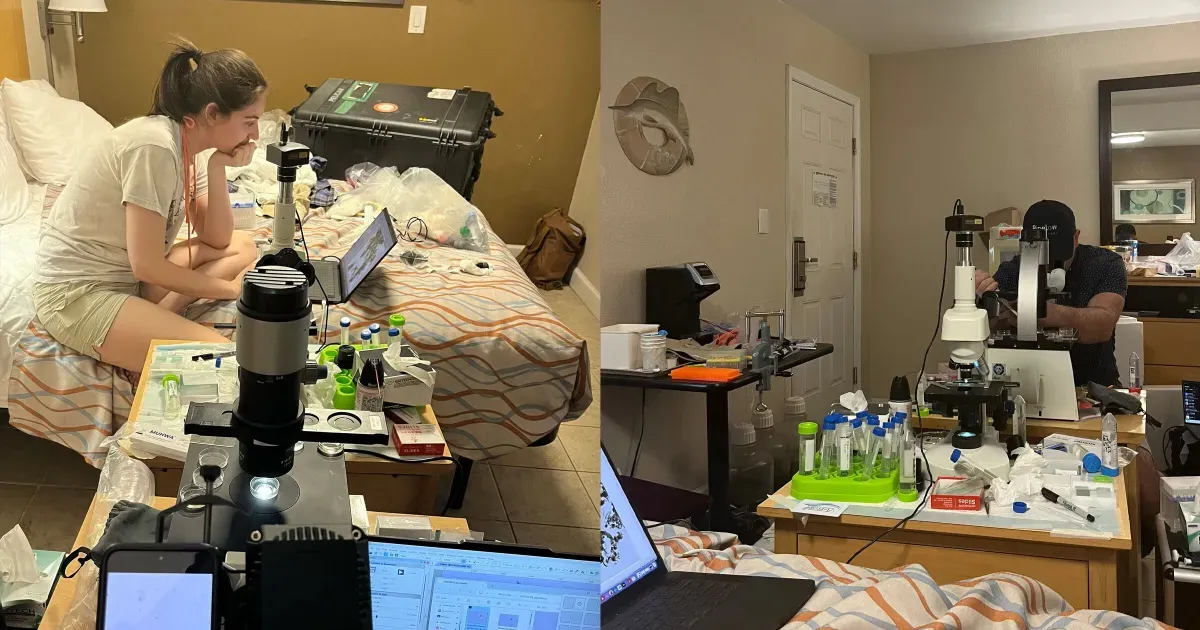
Brought together by Trump’s funding cuts, Julia Van Etten and her rag tag team of biologists pursued their research in a motel room.
And it was out of this makeshift lab that they made an incredible discovery: two new microscopic organisms that may be crucial to tracing the origins of life, the New York Times reports.
This article is an excerpt. To read the full content, visit the original source. Futurism
Related articles
Large dog breeds die younger. Biologists think they finally know why. - Popular Science
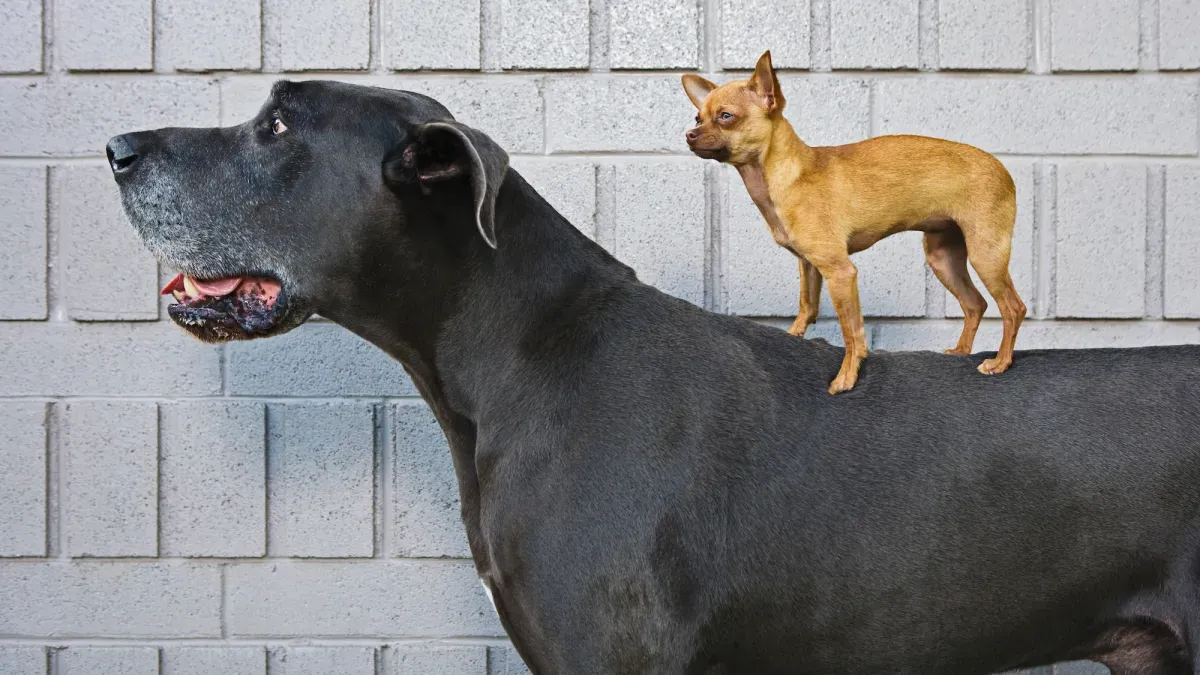
In many mammal species, larger size corresponds to longer lives. That's not the case with dogs, however. A first-of-its-kind genetic analysis of dog breeds presents the clearest insights into why larger dogs rarely outlive their smaller relatives. According to a team of biologists writing in the journal Science, the longstanding size–age correlation is likely due to “jumping genes” that inevitably begin sowing chaos inside canine DNA as dogs get older.
SpaceX Dragon Delivers Groundbreaking Science and Solar Arrays to ISS - SciTechDaily
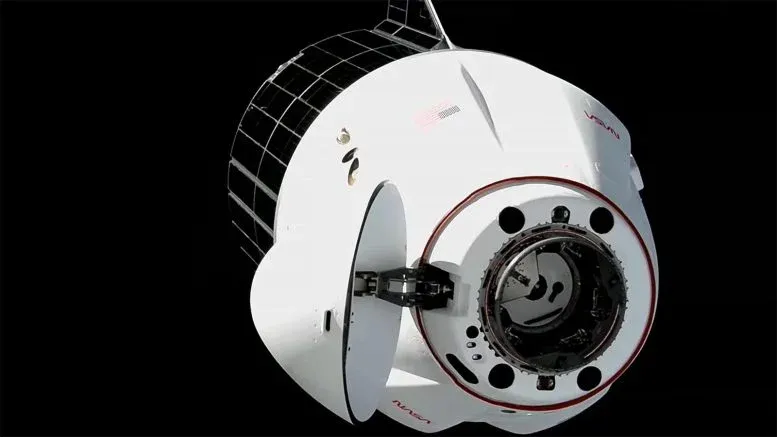
A SpaceX Dragon spacecraft approaches the International Space Station moments before docking to the Harmony module’s space-facing port on October 15, 2026. Credit: NASA+SpaceX has delivered tiny brain models, 3D heart tissue, and artificial retina technology to the space station in a mission that could open new doors for medical research on Earth. SpaceX’s Dragon spacecraft successfully arrived at the International Space Station on October 15, docking at 10:27 a.m. EDT with the space-facing port of the station’s Harmony module. The spacecraft brought more than 6,300 pounds of food, equipment, and other essential supplies for the Expedition 75 crew. The delivery marks SpaceX’s 35th commercial resupply mission to the orbiting laboratory under its contract with NASA. New Solar Arrays and Advanced Medical ResearchAmong the cargo is the final set of International Space Station Roll-Out Solar Arrays (IROSAs), which astronauts are expected to install later this fall. These arrays will expand the station’s ability to generate electricity from sunlight.
Scientists Discover Groundbreaking Clues to Tissue Regrowth and “Immortality” in the Ocean - SciTechDaily
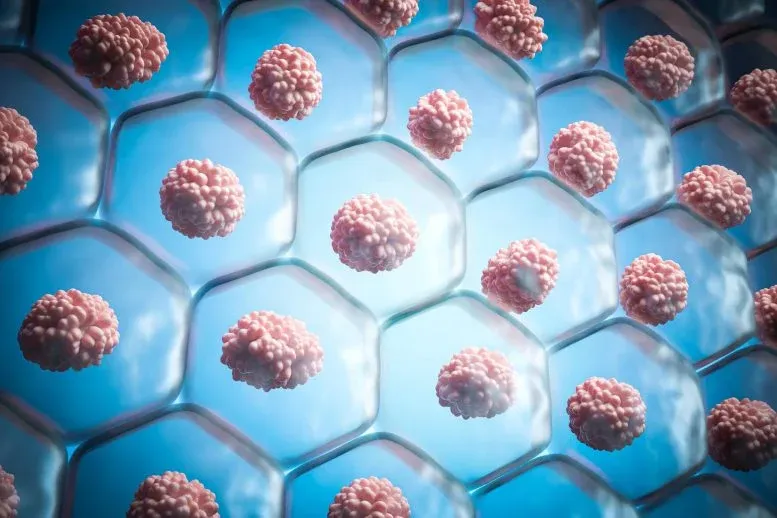
The sea cucumber study reveals an unusual form of tissue regrowth, with detached fragments continuing to heal, reorganize, and grow for more than three years in natural seawater. Credit: ShutterstockSea cucumber tissue kept growing for more than three years after removal, surviving in seawater teeming with microbes. Like Thing, the disembodied hand in The Addams Family, a severed piece of sea cucumber tissue kept living without the body it came from, prompting scientists to describe the animal as a “real-life zombie.” Weeks after being cut from a tube foot, the fragment appeared to be growing in seawater full of microbes, far from the sterile conditions usually needed to keep tissue cultures alive. Scientists at Memorial University of Newfoundland followed up by placing tissue removed from the feet, main body, and tentacles of three sea cucumbers in flowing seawater. The animals belonged to Psolus fabricii, a cold-water species. Working with collaborators including Rachel Sipler, a senior research scientist at Bigelow Laboratory for Ocean Sciences, the team documented what happened to those fragments in a study published in Science Advances.
0 comments
No comments yet. Be the first to share your thoughts!