Physicists create a bizarre new quantum state called a fractional fermi sea - Science Daily
This story deserves to be shared
Send it to someone who'd care, or post it on your networks.
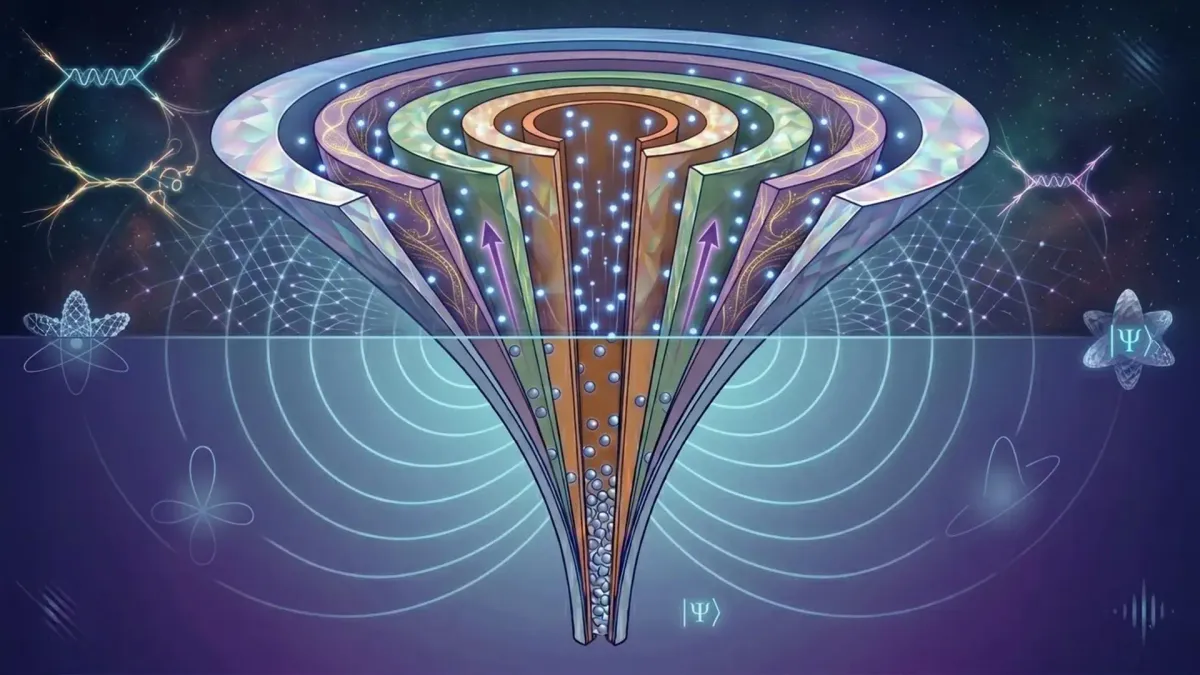
Physicists have uncovered a strange new form of quantum behavior in which particles organize themselves in ways that challenge established theories. Even more surprising, the particles maintain a remarkable hidden order despite being driven into an extremely energetic state.
In a study published in Physical Review Letters, researchers from the group led by Hanns-Christoph Nägerl, working with theoretical physicist Alvise Bastianello of the CNRS and Université Paris-Dauphine, describe how to engineer an exotic quantum state known as a "fractional Fermi sea. "
This article is an excerpt. To read the full content, visit the original source. Science Daily
Related articles
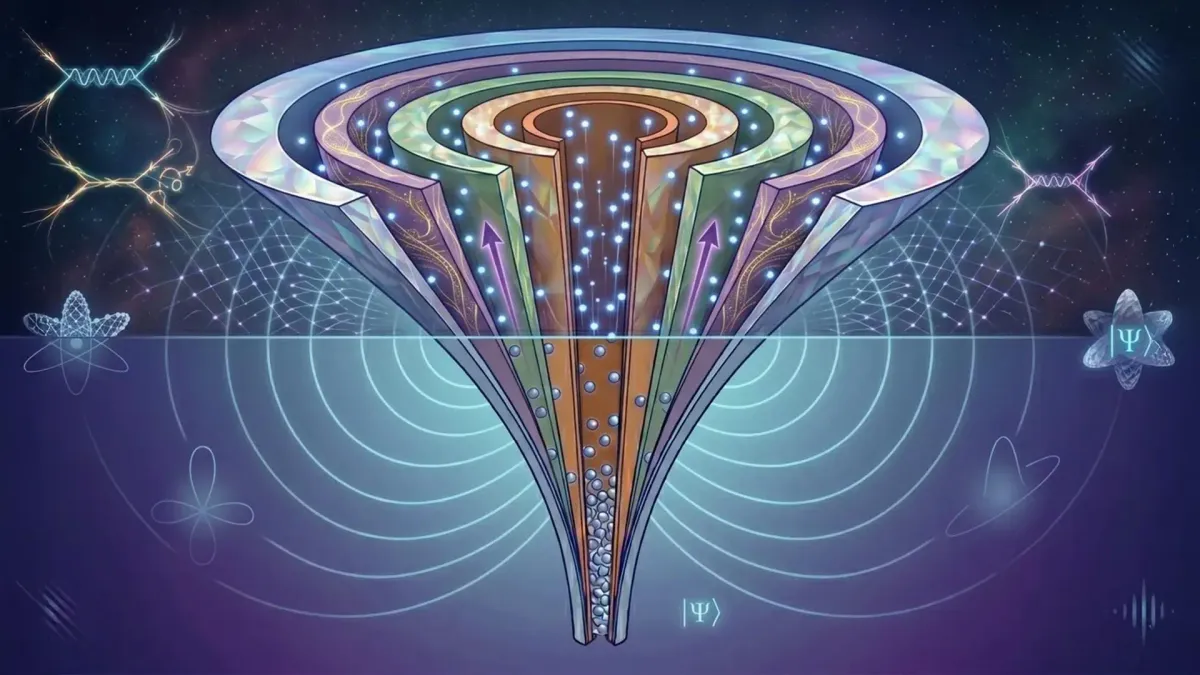
Physicists create a bizarre new quantum state called a fractional fermi sea - Science Daily
Physicists have uncovered a strange new form of quantum behavior in which particles organize themselves in ways that challenge established theories. Even more surprising, the particles maintain a remarkable hidden order despite being driven into an extremely energetic state. In a study published in Physical Review Letters, researchers from the group led by Hanns-Christoph Nägerl, working with theoretical physicist Alvise Bastianello of the CNRS and Université Paris-Dauphine, describe how to engineer an exotic quantum state known as a "fractional Fermi sea. "
Scientists simulate how asteroid might respond to nuclear device detonation - Interesting Engineering
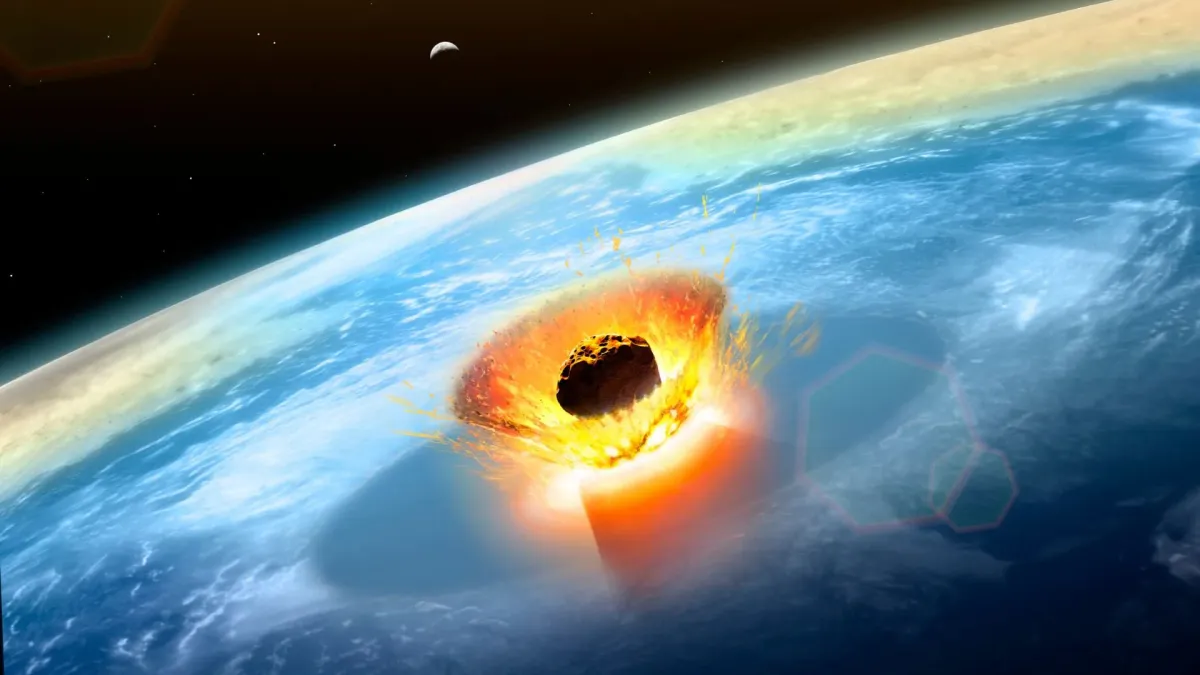
To test the approach, they compared more than 1,500 one-dimensional Spheral simulations with asteroid deflection results. (Representational image)MARK GARLICK/SCIENCE PHOTO LIBRARYResearchers in the United States are developing three-dimensional simulations to examine how a nuclear device could be used to deflect or potentially disrupt an asteroid threatening Earth. The team from Lawrence Livermore National Laboratory (LLNL) uses Spheral simulation code to more accurately model how an asteroid might respond when X-rays from a nuclear device detonated near its surface rapidly heat and vaporize material. After validating the approach against established asteroid-deflection models, researchers used Spheral to study three complex disruption scenarios. Hazardous asteroid impact could potentially be prevented
Scientists Find a ‘Ghostly Green’ Star, and That’s Not the Only Crazy Color - CNET
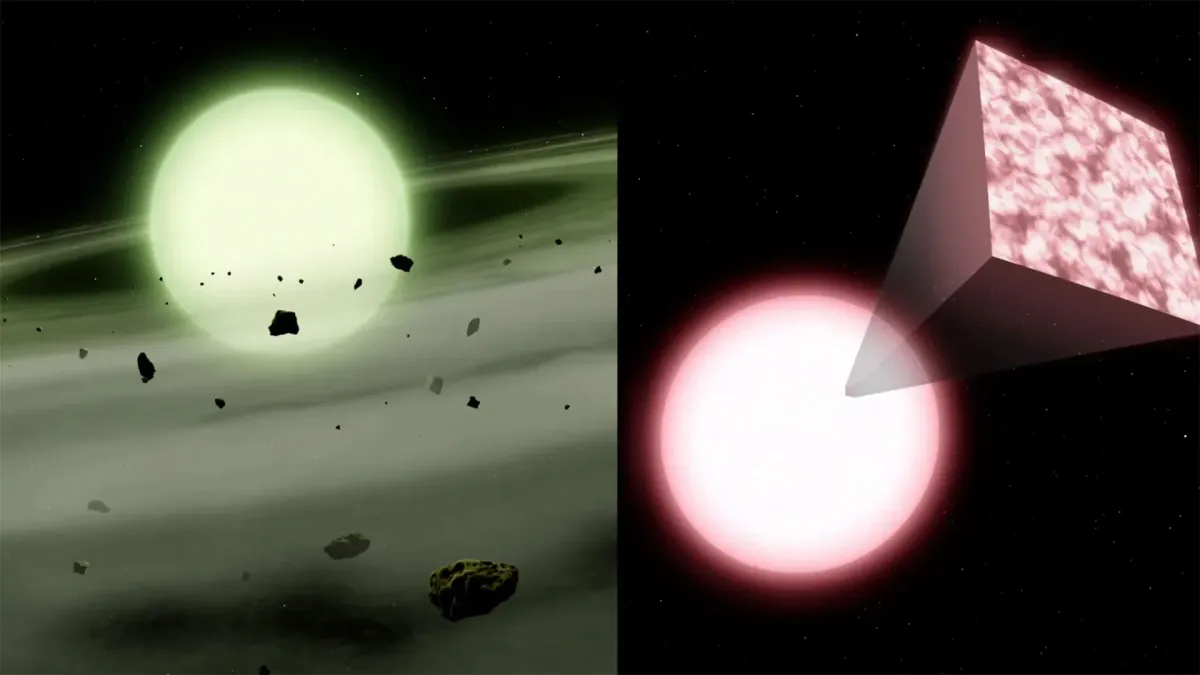
High school science class taught us that stars come in very specific colors. You have cooler stars that are red, orange and yellow. Then you have hotter, larger stars that are white and blue. It turns out that much like the wind in the movie Pocahontas, stars also come in all sorts of colors, including green and pink. The discovery was outlined in a study published this month in RAS Techniques and Instruments. According to the lead author, Mark Hollands of Warwick University’s astronomy and astrophysics group, the humble white dwarf star is the centerpiece of this chromatic curiosity.
Close social bonds help wild jackdaws hold feeding spots but come with waiting costs - Phys.org
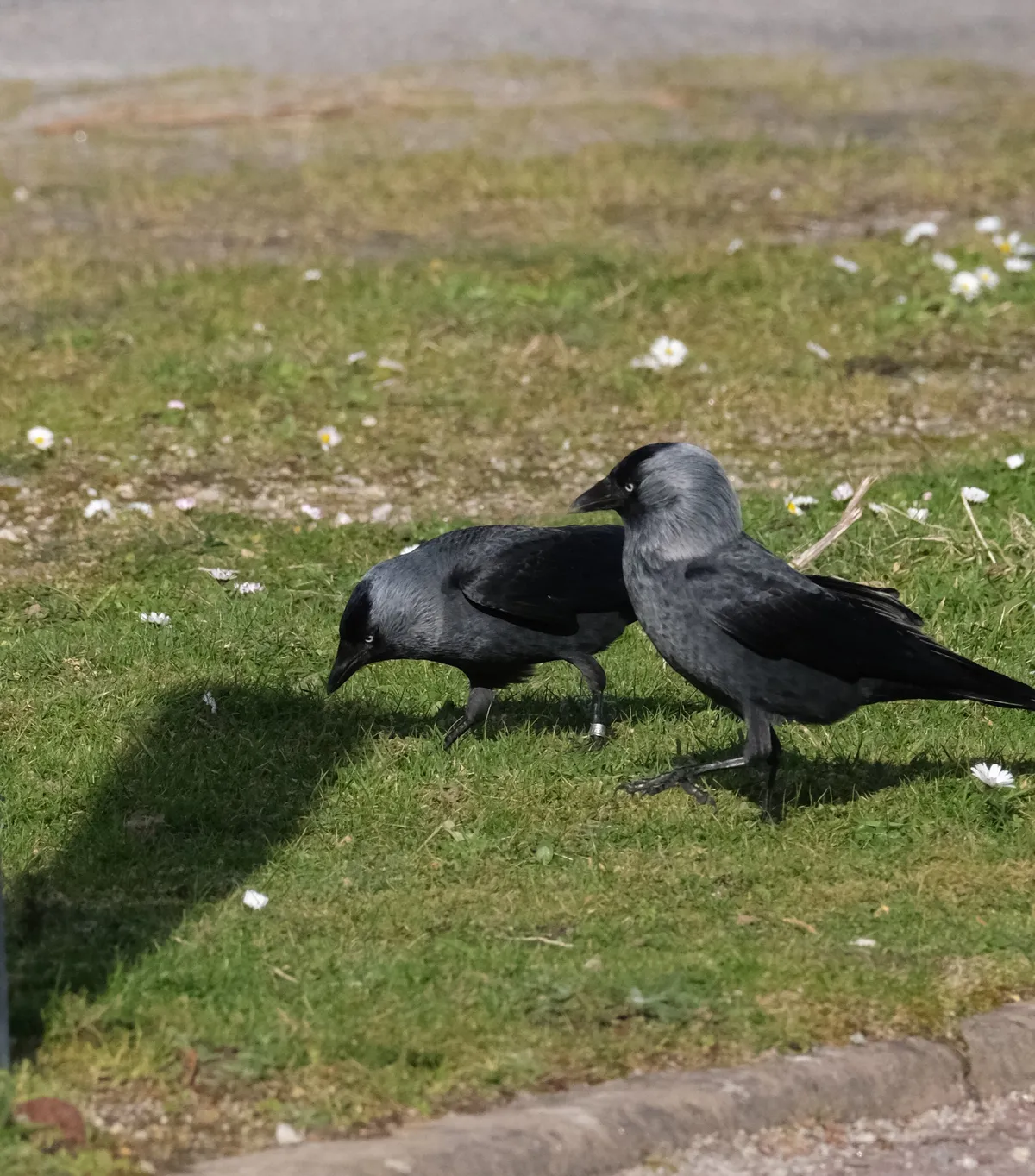
A pair of jackdaws foraging together. Credit: Céline Giorgetti. Close social relationships are known to contribute to the survival of many animals, including humans. Maintaining social bonds over time, however, can also require effort and sacrifices.
Humans may not have the heart for space travel to Mars - The Brighter Side of News
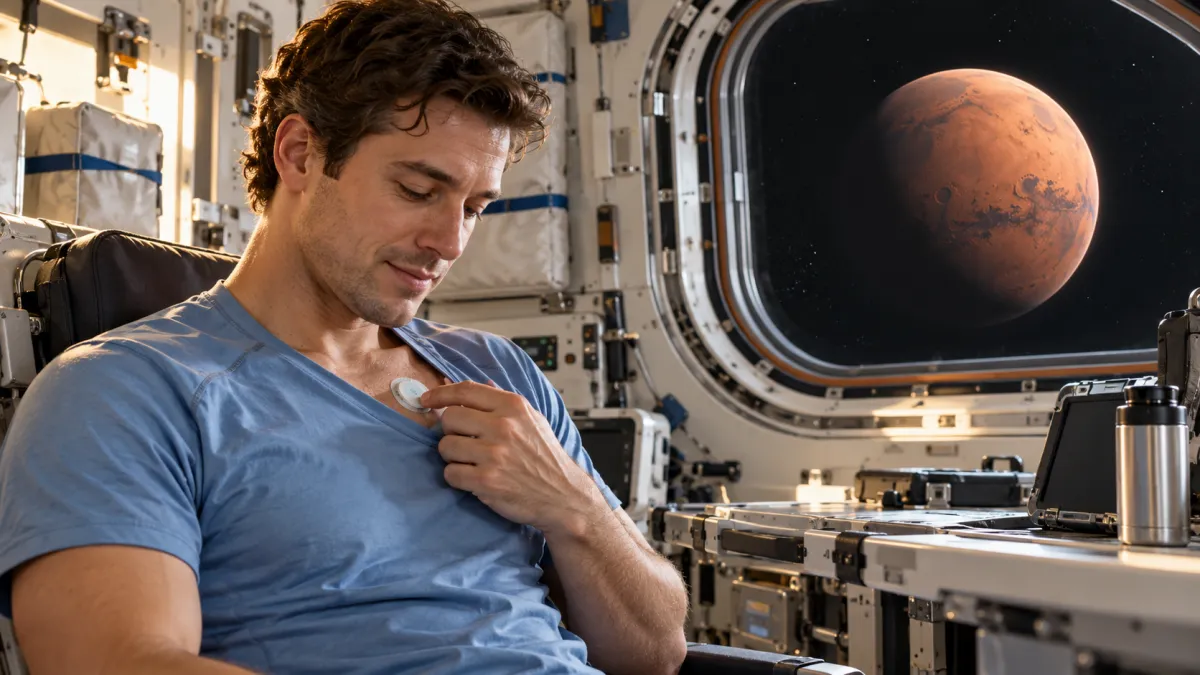
Male rats exposed to simulated cosmic radiation had roughly twice as much collagen around heart blood vessels at long-term follow-up. Simulated weightlessness produced persistent changes in immune signaling, but combining the two stressors did not consistently worsen their effects. The findings raise questions for astronaut health, while small tissue samples, preliminary DNA results and compressed radiation delivery limit direct human predictions. Heart tissue examined nearly a year after simulated cosmic-radiation exposure carried a warning for long-distance space exploration. Male rats had accumulated roughly twice as much collagen around small coronary blood vessels as unexposed controls. The finding suggests that assessing radiation hazards requires attention to what happens long after exposure ends. The experiments were conducted on Earth, not during astronaut missions. They provide evidence about biological responses in a particular rat model, while leaving important questions about human risk unanswered. John Baker, PhD, lead researcher on the study and a professor of surgery at MCW.
On this day in space! Oct. 18, 1963: France's Félicette Becomes the 1st Cat in Space! >^..^ - Space
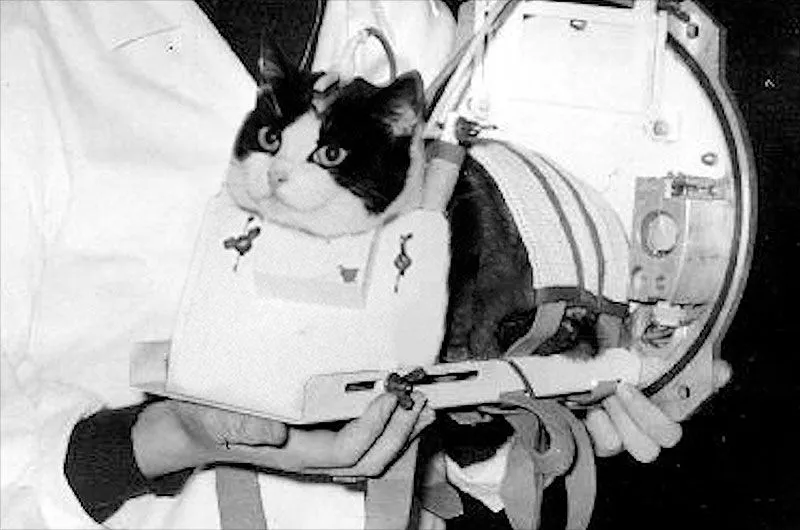
On Oct. 18, 1963, a cat went to space! Félicette was a French "catstronaut" who became the first and only feline to fly to space. Here's why it mattered.
0 comments
No comments yet. Be the first to share your thoughts!