Physicists create a bizarre new quantum state called a fractional fermi sea - Science Daily
This story deserves to be shared
Send it to someone who'd care, or post it on your networks.
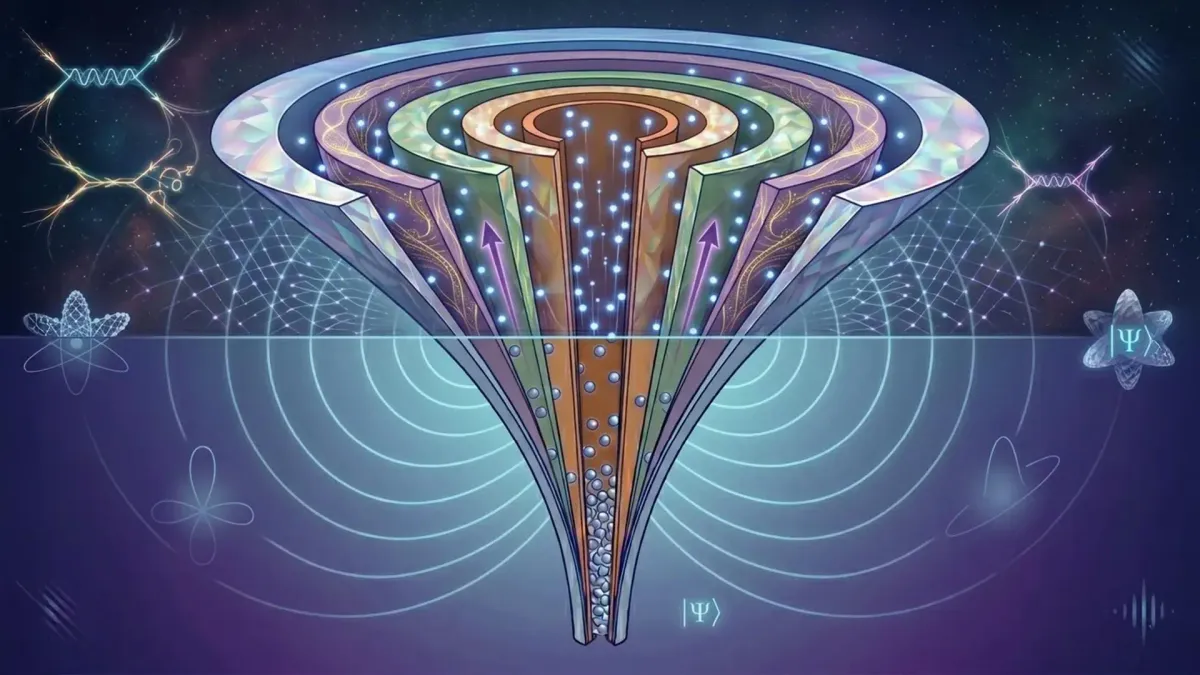
Physicists have uncovered a strange new form of quantum behavior in which particles organize themselves in ways that challenge established theories. Even more surprising, the particles maintain a remarkable hidden order despite being driven into an extremely energetic state.
In a study published in Physical Review Letters, researchers from the group led by Hanns-Christoph Nägerl, working with theoretical physicist Alvise Bastianello of the CNRS and Université Paris-Dauphine, describe how to engineer an exotic quantum state known as a "fractional Fermi sea. "
This article is an excerpt. To read the full content, visit the original source. Science Daily
Related articles
Close social bonds help wild jackdaws hold feeding spots but come with waiting costs - Phys.org
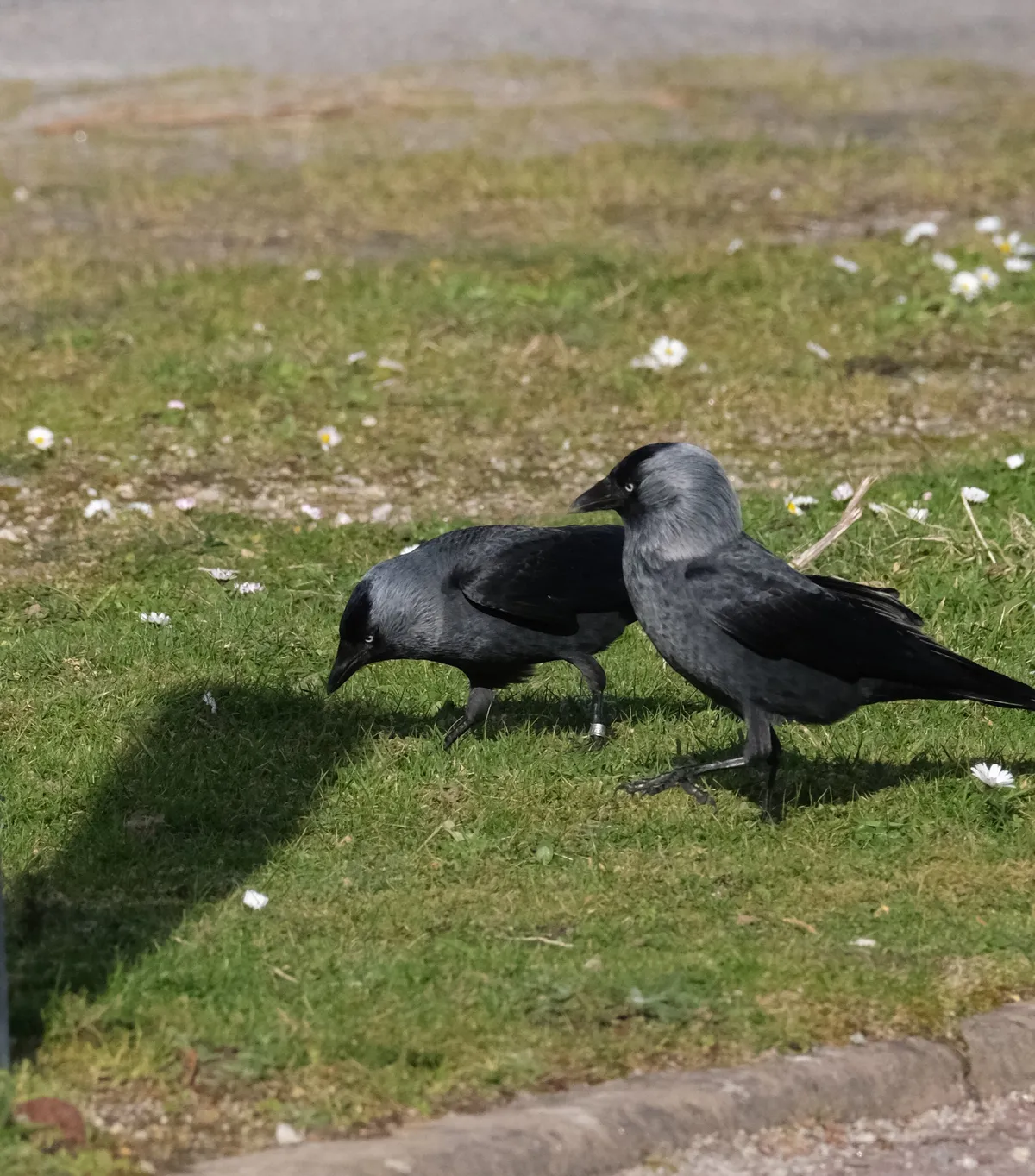
A pair of jackdaws foraging together. Credit: Céline Giorgetti. Close social relationships are known to contribute to the survival of many animals, including humans. Maintaining social bonds over time, however, can also require effort and sacrifices.
Humans may not have the heart for space travel to Mars - The Brighter Side of News
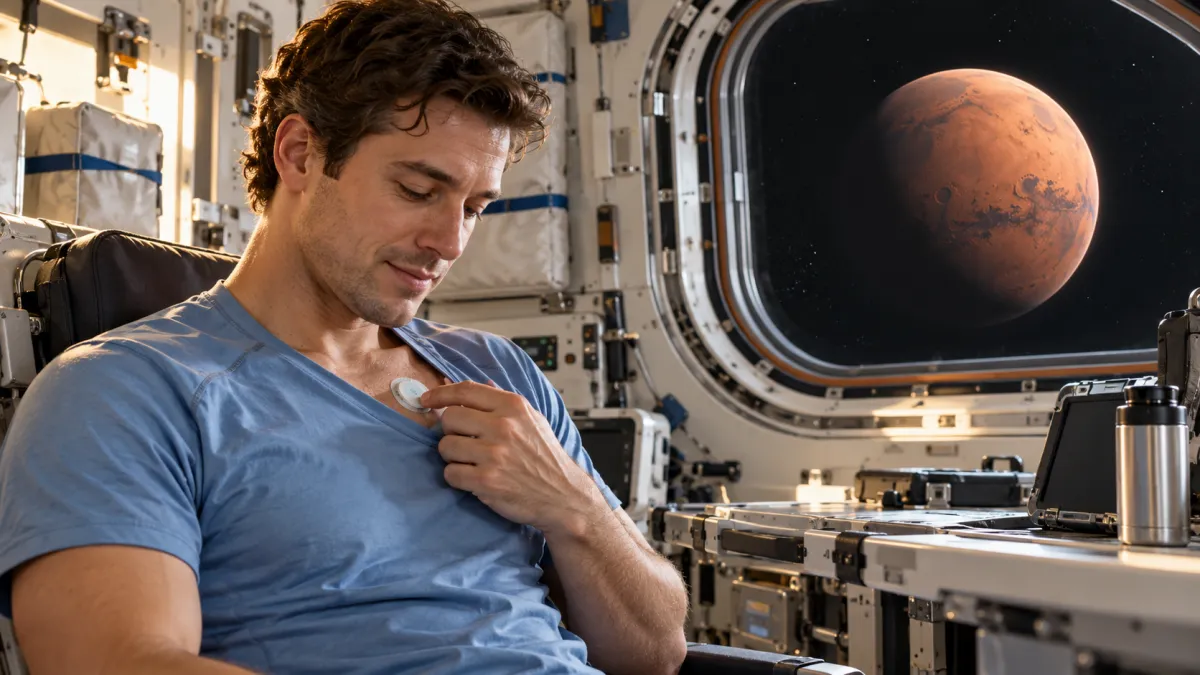
Male rats exposed to simulated cosmic radiation had roughly twice as much collagen around heart blood vessels at long-term follow-up. Simulated weightlessness produced persistent changes in immune signaling, but combining the two stressors did not consistently worsen their effects. The findings raise questions for astronaut health, while small tissue samples, preliminary DNA results and compressed radiation delivery limit direct human predictions. Heart tissue examined nearly a year after simulated cosmic-radiation exposure carried a warning for long-distance space exploration. Male rats had accumulated roughly twice as much collagen around small coronary blood vessels as unexposed controls. The finding suggests that assessing radiation hazards requires attention to what happens long after exposure ends. The experiments were conducted on Earth, not during astronaut missions. They provide evidence about biological responses in a particular rat model, while leaving important questions about human risk unanswered. John Baker, PhD, lead researcher on the study and a professor of surgery at MCW.
On this day in space! Oct. 18, 1963: France's Félicette Becomes the 1st Cat in Space! >^..^ - Space
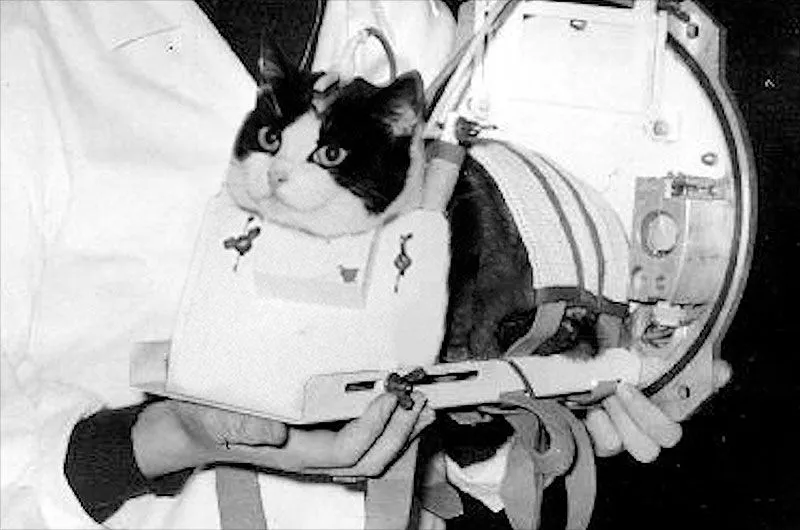
On Oct. 18, 1963, a cat went to space! Félicette was a French "catstronaut" who became the first and only feline to fly to space. Here's why it mattered.
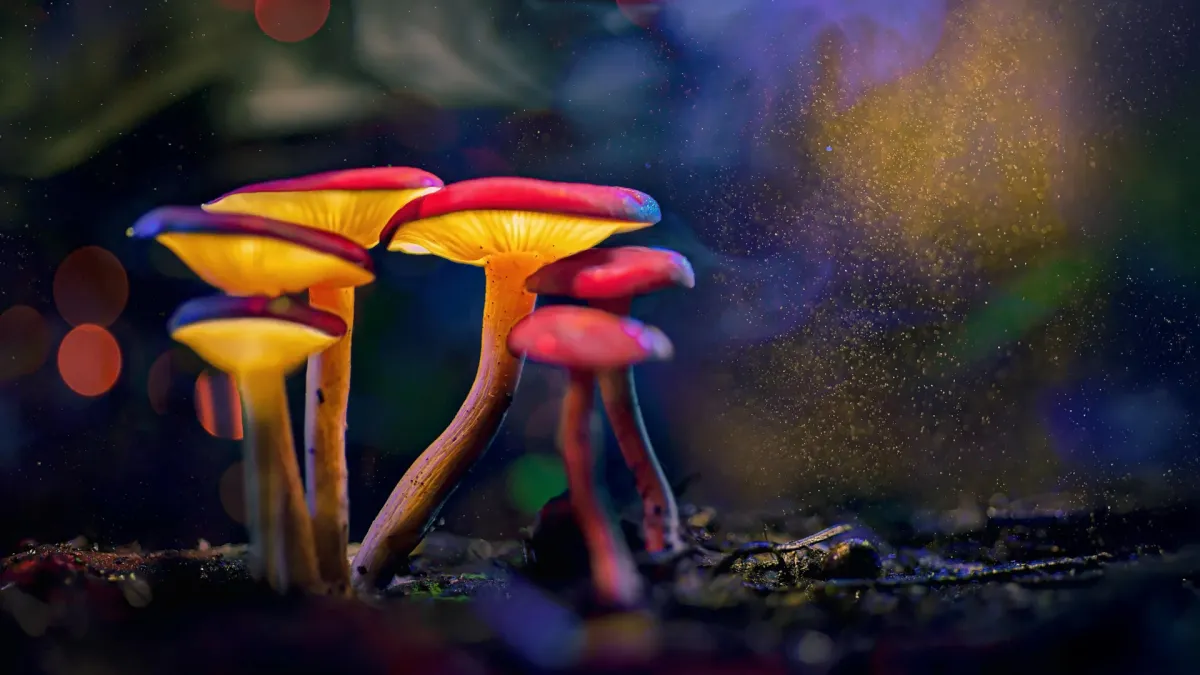
Magic mushroom ingredient takes the fight out of aggressive fish - Science Daily
Psilocybin, the psychedelic substance found in more than 200 species of mushrooms, appears to have an unexpected effect on aggressive fish. Most mushrooms containing this compound belong to the gilled mushroom genus Psilocybe. In mammals, psilocybin interacts with serotonin receptors in the brain, influencing emotions and behaviors such as mood, appetite, and aggression. However, scientists still know relatively little about how the substance affects social interactions among animals. To investigate this question, researchers in Canada examined the effects of psilocybin on the amphibious mangrove rivulus fish (Kryptolebias marmoratus). Their findings, published in Frontiers in Behavioral Neuroscience, suggest that even a brief exposure to a low dose can significantly reduce aggressive behavior without disrupting normal social interactions.
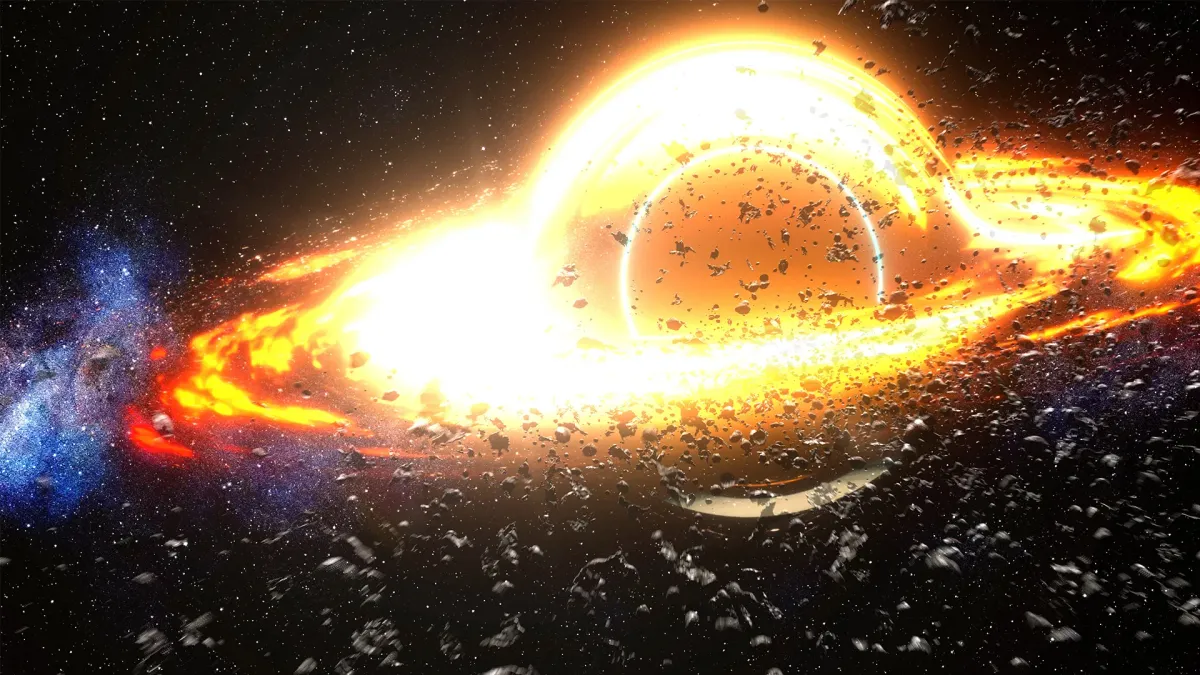
Astronomers spot a black hole tearing apart a star 3,500 light-years off-center - Interesting Engineering
Can a dying star reveal the location of a black hole that has otherwise gone unnoticed? Turns out, it can. Astronomers have now traced a stellar destruction event to a massive black hole about 3,500 light-years from the center of its host galaxy. This discovery offers a rare look at a so-called wandering black hole and raises a further question: how did it end up so far from home?
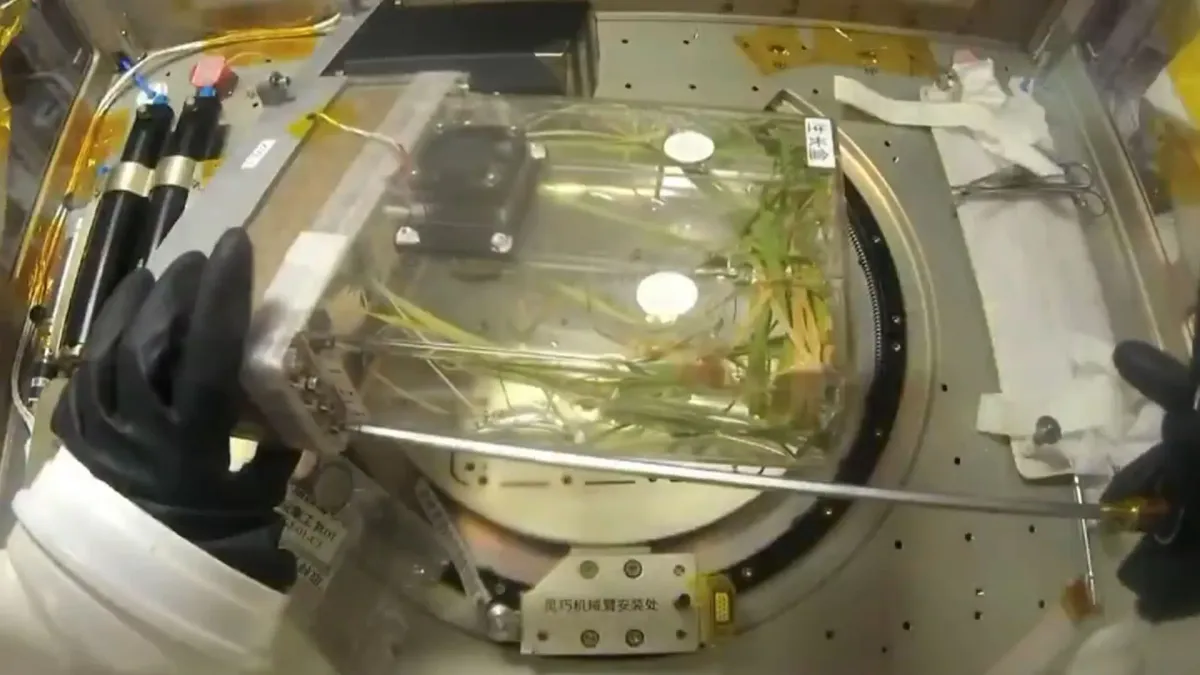
China’s space rice experiment could help astronauts grow their own food - Interesting Engineering
Chinese astronauts aboard the Tiangong space station have completed what they called the “Autumn harvest” of their in-space rice cultivation experiment. According to reports, the astronauts successfully collected, sowed, and stored a new batch of rice on the space station. Reported on October 18, this marks a major milestone in the project’s hopes to reproduce rice over successive generations entirely in space.
0 comments
No comments yet. Be the first to share your thoughts!