New scientists bring global animal health expertise to VIDO - University of Saskatchewan
This story deserves to be shared
Send it to someone who'd care, or post it on your networks.
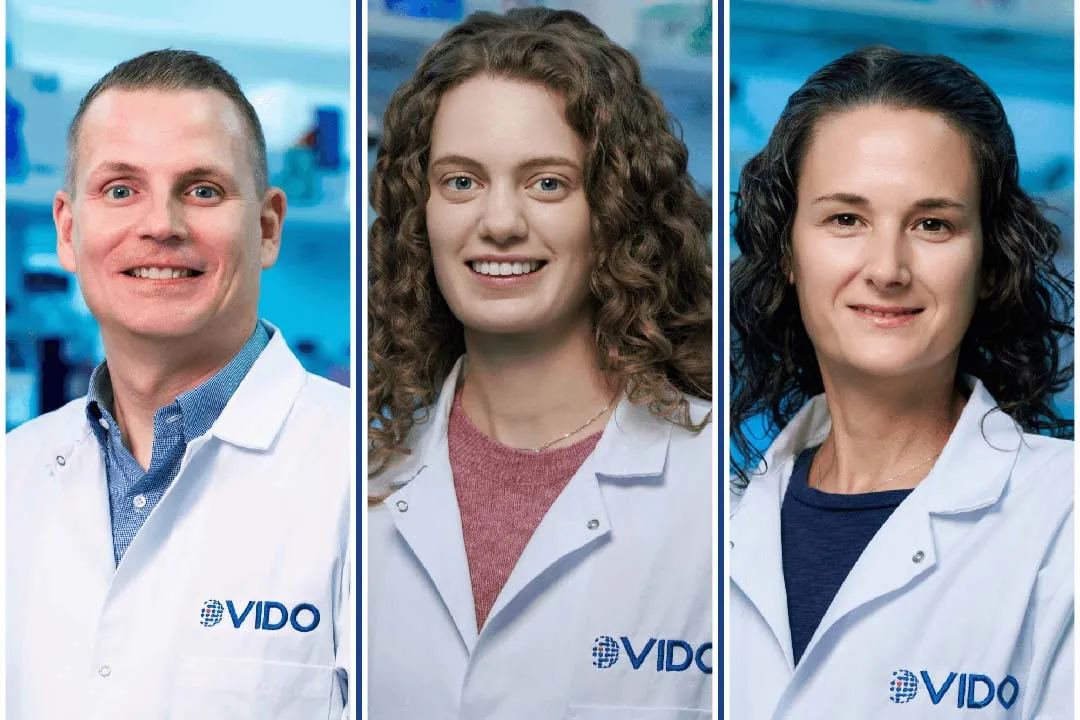
SASKATOON — From emerging H5N1 influenza to African swine fever, three scientists recruited from around the world are joining the Vaccine and Infectious Disease Organization (VIDO) at the University of Saskatchewan (USask) to address diseases that threaten animals and food security in Canada and around the world.
Recruited to Saskatchewan from North America, Africa and Europe, the three scientists bring expertise in influenza, livestock vaccines and swine immunity. Their arrival strengthens VIDO’s capacity to address infectious disease challenges affecting animals and food production.
This article is an excerpt. To read the full content, visit the original source. University of Saskatchewan
Related articles

European Medical Journal | HIV linked to early signs of heart dysfunction - European AIDS Treatment Group
European Medical Journal news storyPeople living with HIV may experience subtle changes in heart muscle function even when conventional measures of cardiac performance remain normal, according to findings from a systematic review and meta-analysis. Researchers identified significantly impaired global longitudinal strain (GLS) among people with HIV compared with HIV-uninfected individuals, despite preserved left ventricular ejection fraction (LVEF) in both groups. The findings suggest that speckle-tracking echocardiography (STE) could provide additional information about early myocardial dysfunction in this population. Read the full news story here.
Patient-centered financial navigation assistance helps reduce financial toxicity among cancer patients - Medical Xpress
Among cancer patients, the high financial cost of cancer care is a prevalent problem. This financial burden is also associated with potentially harmful behavioral strategies that patients might use to cope with costs, such as delaying or forgoing treatment and skipping medications. Collectively, researchers refer to this impact as financial toxicity.

Continuous glucose monitors help type 2 diabetes patients spend 5 more hours a day in healthy blood sugar range - Medical Xpress
Continuous glucose monitors (CGMs) could transform diabetes management for millions of Americans with type 2 diabetes who don't take insulin, according to findings published in the New England Journal of Medicine. The clinical trial found that adults using CGMs spent approximately five additional hours each day within their target blood sugar range compared with those receiving routine care. Nearly twice as many CGM users also achieved an A1c level below 7%, a common treatment goal for people with diabetes.
0 comments
No comments yet. Be the first to share your thoughts!