New ‘Faith in AI’ grant brings anti-technology spaces - Maroon
This story deserves to be shared
Send it to someone who'd care, or post it on your networks.
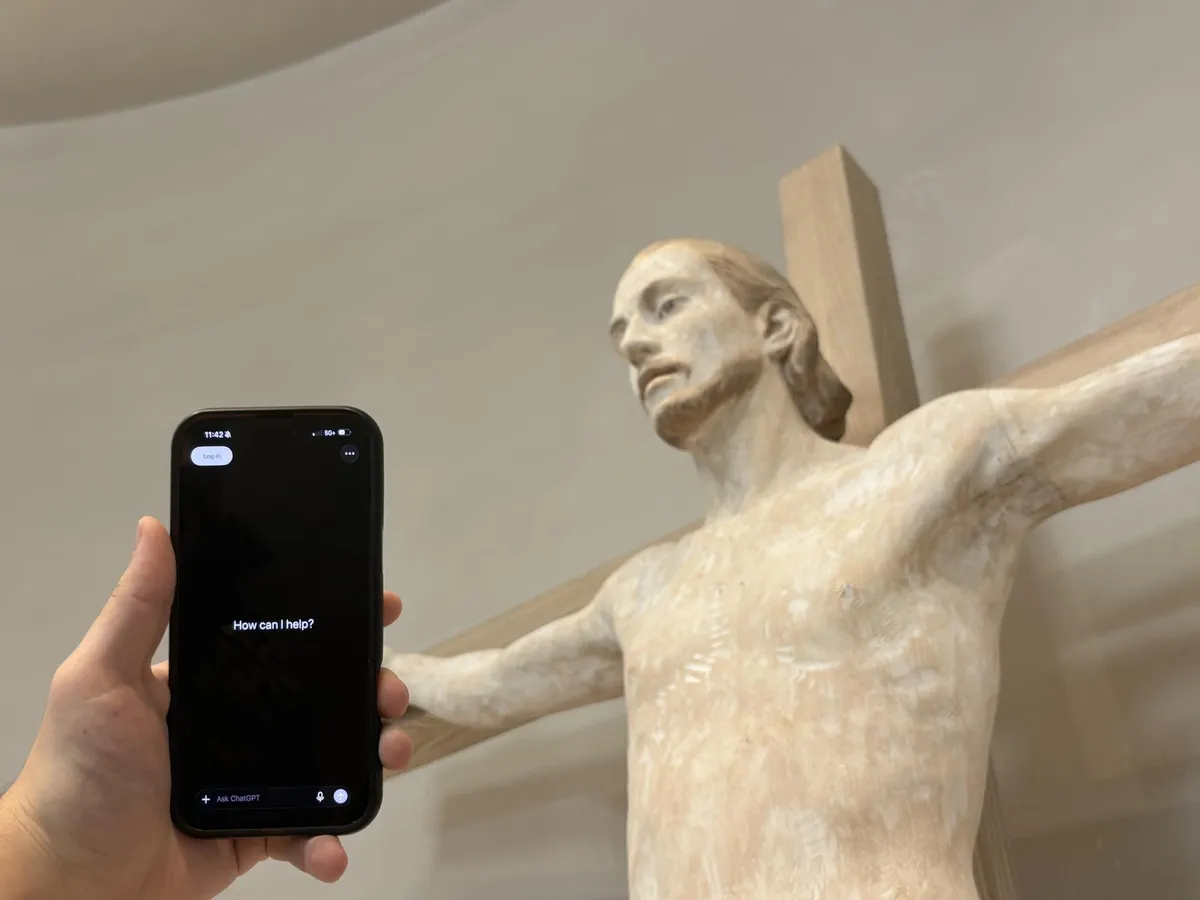
Student uses ChatGPT in Ignatius Chapel on Loyola’s campus, Tuesday, Sept. 22, 2026. AI is being researched to better understand faith. Sept. 22, 2026
The Loyola Institute of Ministry received $75,000 from a grant proposal by the Lilly Endowment Inc. called Faith in the Age of AI, which aims to assist Loyola Institute of Ministry in implementing spaces for Loyola students to practice Christianity away from artificial intelligence.
This article is an excerpt. To read the full content, visit the original source. Maroon
Related articles
‘Hex Hexa:’ Are we putting too much faith in technology? - The Student Life
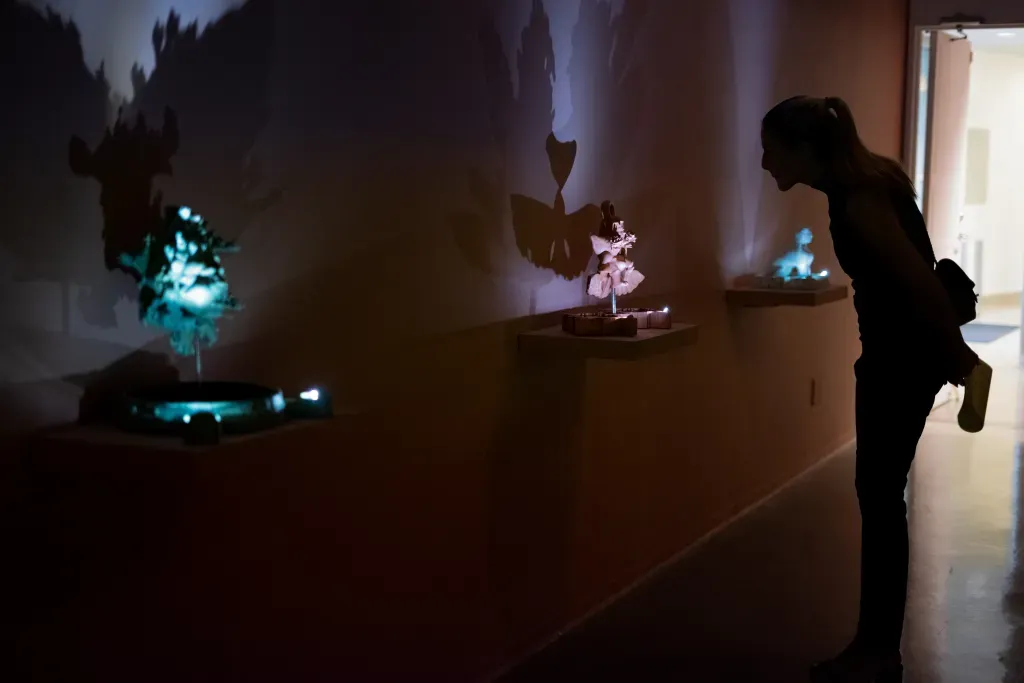
A student stands in the dark, admiring the artwork (Courtesy: Miranda Yee) At the center of Isabel Beavers’ “Hex Hexa: forget nothing, have no dreams” is artificial intelligence; the title itself is a playful reference to the technology’s functions and limitations. As AI becomes more capable of remembering and responding to us, Beavers’ exhibition asks why we place so much faith in it.

Extending a Legacy: Calvin Launches Center for Faith and Technology - Calvin University
Technology is reshaping nearly every dimension of human life. “Technologies like AI are shaping ideas about work, education, relationships, and what it means to be human,” said Derek Schuurman, professor of computer science at Calvin University. Whether or not Christians engage conversations around these emerging technologies is a decision Schuurman says has significant stakes. He says a technological agenda that’s driven by a faith in technology will lead to consequences, while a pessimistic suspicion of technology will lead to missed redemptive opportunities. “The stakes are high, and these conversations will proceed, with or without Christian voices,” said Schuurman. Schuurman and his colleagues at Calvin University believe the conversations must continue with Christian voices and they see immense value in them being led by voices from within the Reformed tradition – a tradition that’s been committed to engaging the intersection of faith and technology for centuries. “Our tradition calls us to both courage and curiosity about technology and human culture.
Today’s NYT Strands Hints, Spangram and Answers for Sunday, Oct. 18, #959 - CNET
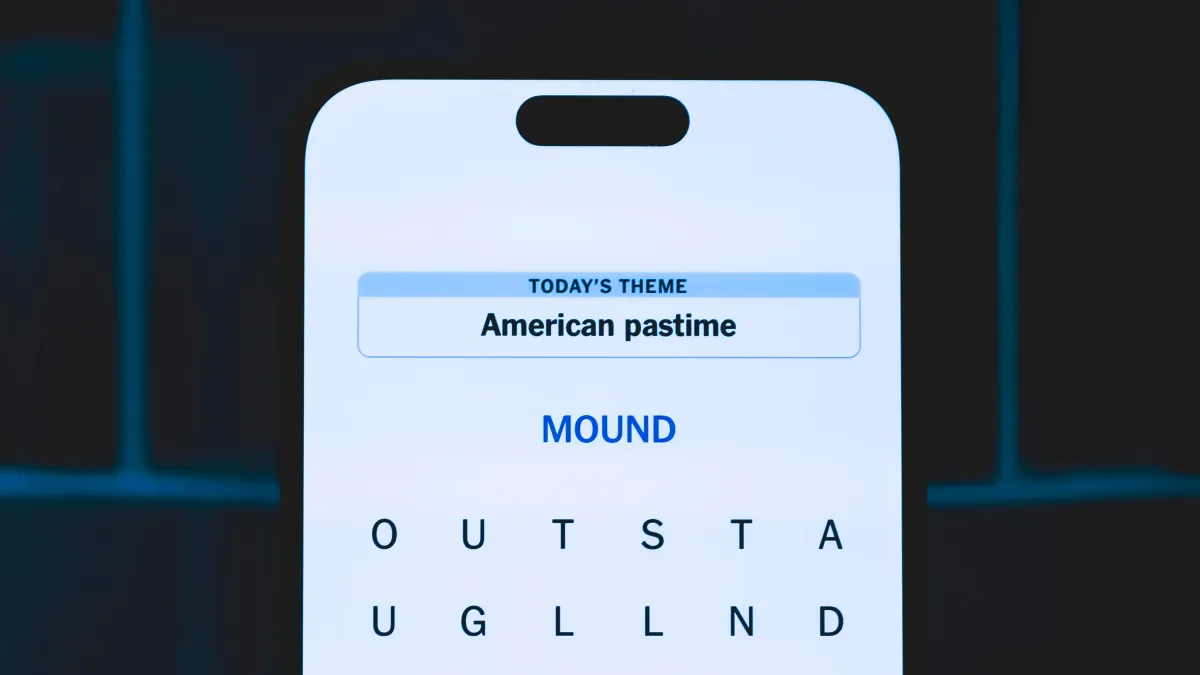
Here’s your NYT Strands hint for today, plus the spangram and all of today’s Strands answers for puzzle No. 959 on Sunday, Oct. 18, 2026. Today’s Strands theme was tricky. It helps to be a runner. Read on for all the answers.

WARNING: ConnectWise Supply-Chain Attack Exposes Microsoft 365 Tenants - LinkedIn
A supply-chain attack involving ConnectWise’s cloud services has exposed Microsoft 365 customers to unauthorized application access, with researchers reporting successful sign-ins across 173 partner and customer tenants. The incident centres on credentials associated with ConnectWise Cloud Backup, formerly SkyKick, and raises concerns about attackers exploiting permissions already entrusted to business software. ConnectWise has confirmed unauthorized access to application identities within its Cloud Backup environment. In an October 17 update on its service-status page, the company said it was shutting off application access, interrupting customer backups while investigation and remediation continued.
Charlie Vickers: ‘Tom Cruise cheated at freediving – that’s the headline’ - The Guardian
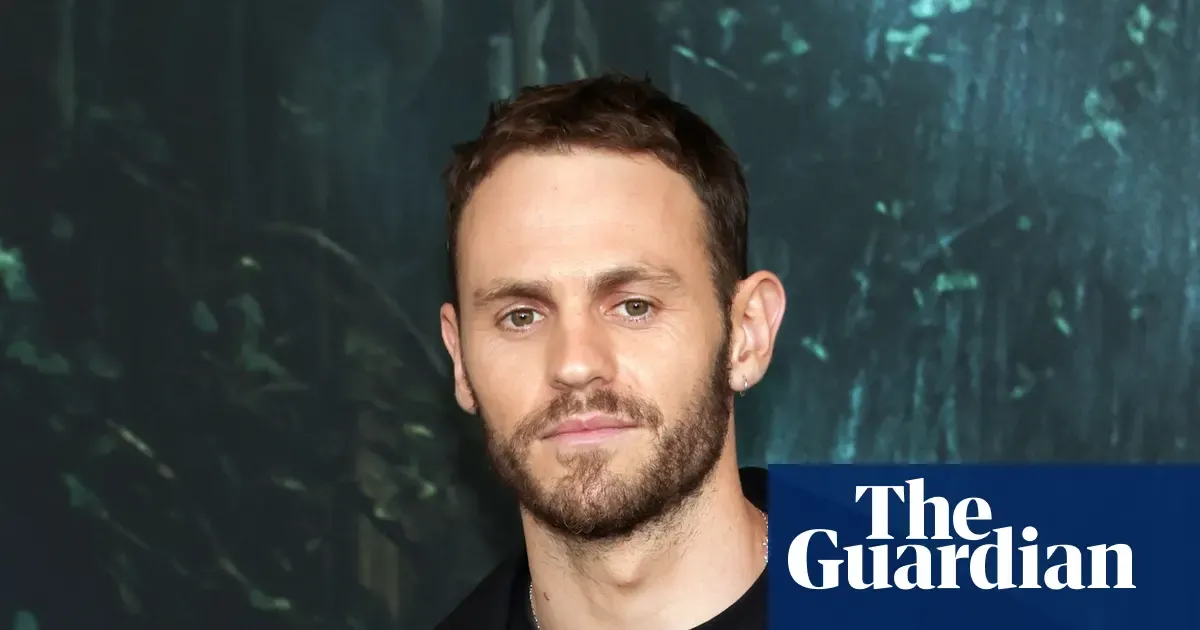
You once played Basil Fawlty in an amateur student production of Fawlty Towers at Queen’s College in Melbourne. How amateur was your Basil Fawlty moustache? It was terrible. It was real but it was definitely coloured in – I still have holes in my beard. I’d also shaved my head, so if you look at the early promo posters, you can clearly see I’m wearing a wig. Our theatre was closed so we had to perform in a circus tent in the middle of winter, on an oval in the university grounds, which was all very Fawlty Towers. I’ve always loved comedy. I didn’t really do anything serious until drama school. I always thought there might be a good spin-off with Sauron and Celebrimbor as an odd-couple situation. You play Sauron in The Lord of the Rings: The Rings of Power. Tolkien wrote that Sauron “represents as near an approach to the wholly evil will as is possible”. What do you consider wholly evil? A complete disregard for the feelings and wellbeing of other people, to put it simply. It’s the intention, I think. I have horrible flashbacks to playing Aussie rules when I was about 17. I thought people were being quite evil to me at the time.
0 comments
No comments yet. Be the first to share your thoughts!